Curly Bonnie Spider Plant Care Indoors
How to Care for Curly Bonnie Spider Plants Indoors
Light, Water, Soil, Curl Loss and Growth Conditions Explained
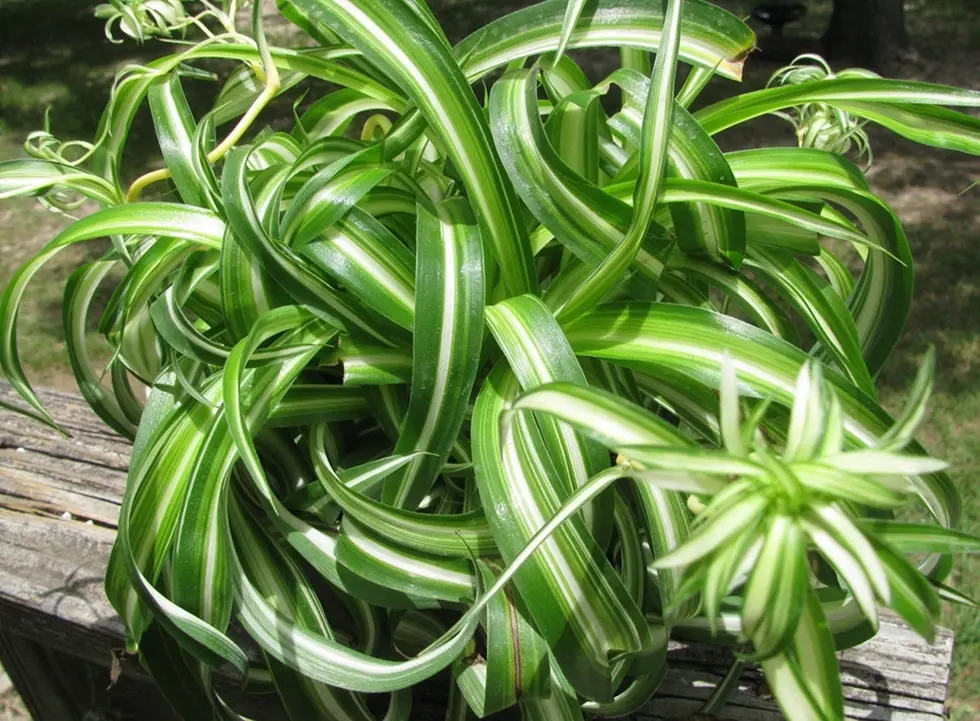
Curly Bonnie spider plants (name: Chlorophytum comosum ‘Bonnie’) are a compact, curly-leaf variety that require slightly more specific care than standard spider plants. Their tightly curled foliage makes them more sensitive to environmental conditions, especially when it comes to light exposure, watering consistency, and humidity levels.
Unlike straight-leaf spider plants, curly varieties can show stress more quickly through changes in leaf shape, browning tips, or reduced fullness. Because of this, understanding how each care factor affects the plant is key to maintaining healthy growth and preserving its signature curled appearance.
In this guide, you’ll find detailed information on the core elements of curly Bonnie spider plant care, including proper lighting, watering routines, soil selection, and environmental conditions. Each section is designed to help you maintain strong, consistent growth while avoiding the most common problems associated with this variety.
What Makes Curly Bonnie Spider Plants Different from Regular Spider Plants
Curly Bonnie spider plants might look like a simple variation of the classic spider plant, but they don’t behave the same way once you start growing them. The tightly curled leaves change how the plant reacts to light, water, and overall conditions, and that’s where most care guides completely miss the mark.
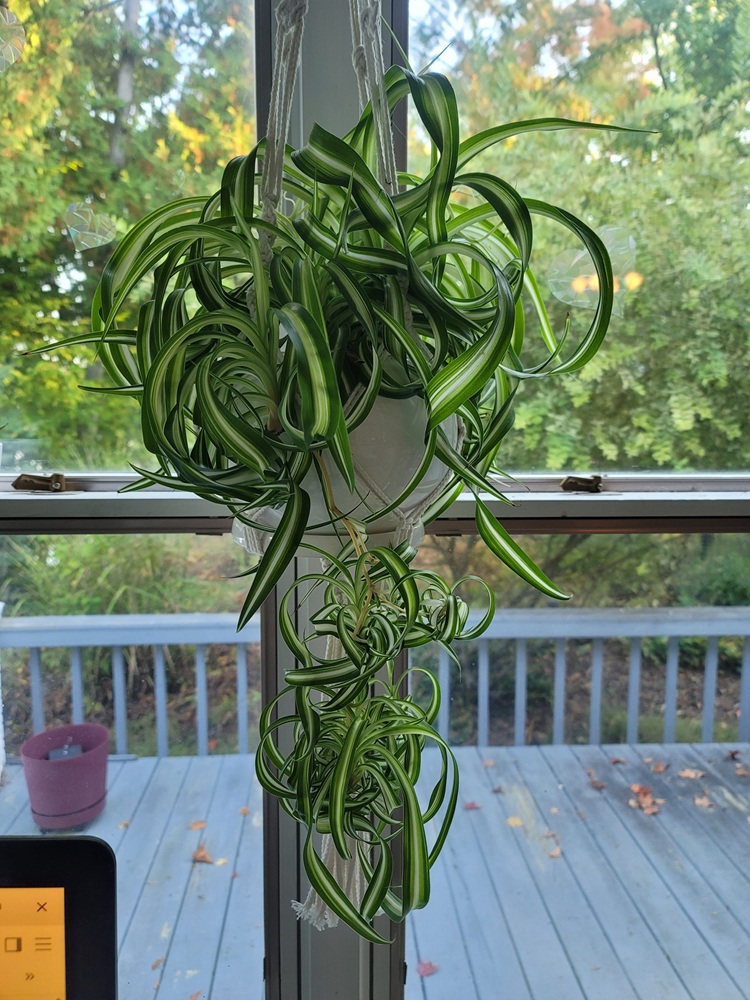
With standard spider plant varieties, the leaves grow long and straight, making it easier for the plant to tolerate a wider range of conditions without visibly changing its shape. Curly Bonnie plants, on the other hand, show stress much faster. When something is off, the curls begin to loosen, flatten, or lose their curl altogether. That visual change is one of the first signs that the plant isn’t getting what it needs.
Another difference is how they grow. Curly Bonnie plants tend to stay more compact, but they can also look thin or uneven if the environment isn’t right. Instead of stretching outward like regular spider plants, they rely more on consistent conditions to fill out properly and maintain that full, rounded look people expect.
Because of this, care isn’t just about keeping the plant alive—it’s about maintaining the curl, density, and overall shape. Things like light direction, watering consistency, and even minor environmental changes play a bigger role than they would with a standard spider plant.
If your curly Bonnie plant starts to lose its curl or look less defined, that’s not random—it’s a response. And understanding that difference is what separates basic care from actually growing a plant that looks the way it’s supposed to.
Light Requirements for Maintaining Curl and Structure
Curly Bonnie spider plants respond very directly to light, and it plays a major role in how tight or loose the leaves appear. Unlike standard spider plants, where light mainly affects growth speed, curly varieties will physically change shape depending on the conditions they’re kept in.
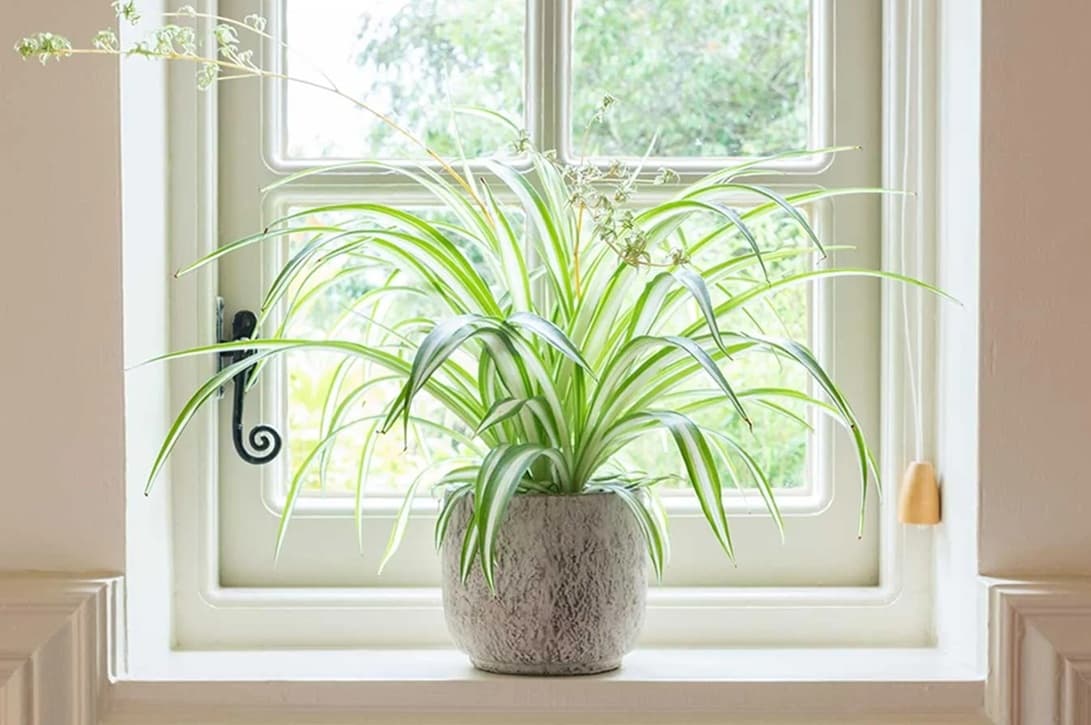
In bright, indirect light, the plant maintains its defined curl and compact appearance. This is where you’ll see the most balanced growth—leaves stay structured, variegation remains strong, and the plant fills out instead of stretching. A spot near an east-facing window or slightly back from a south or west window tends to work best.
When light is too low, the plant begins to lose its form. Leaves may grow longer and thinner, and the curl becomes less defined over time. The plant can start to look loose or uneven rather than full and rounded. On the other hand, too much direct sun—especially harsh afternoon exposure—can stress the leaves, leading to fading, dryness, or increased browning along the edges.
Because of this, placement matters more than people expect. Curly Bonnie spider plants do best in consistent lighting where they’re not being moved frequently. Even small changes in exposure can affect how new leaves form, so once you find a spot where the plant holds its shape well, it’s best to keep it there.
Curly bonnie spider plant care guide watering
Watering Curly Bonnie Spider Plants Without Causing Leaf Stress
Watering is one of the biggest factors that affects both the health and appearance of curly Bonnie spider plants. Their root systems are similar to standard spider plants, but the curled foliage tends to show stress faster, especially when watering is inconsistent.
Bonnie spider plants prefer a balanced approach—*allowing the soil to dry out more between waterings more so than regular spider plants, but not staying dry for extended periods. When watered properly, the leaves remain firm, smooth, and evenly curled. If the plant is allowed to dry out too much, the leaves may feel thinner and begin to lose their structure.
Overwatering creates a different set of problems. Because curly Bonnie plants are often kept in decorative pots or hanging containers, excess moisture can linger longer than expected. This can lead to root stress, which eventually shows up in the leaves as dull color, reduced growth, or increased browning at the tips.
Another factor that often gets overlooked is water quality. Spider plants are sensitive to minerals like fluoride and chlorine, which can build up over time and contribute to tip burn. Using spiring water, filtered water or letting tap water sit out before use can help reduce this issue, especially if you’re already noticing browning.
Consistency matters more than perfection. A steady watering routine that avoids extremes will keep both the roots and the foliage in better condition over time.
Why Curly Bonnie Spider Plants Develop Brown Tips
Brown tips are one of the most common issues with curly Bonnie spider plants, and they tend to stand out more because of the plant’s tightly curled leaves. While this problem is often blamed on a single cause, it’s usually the result of a combination of small factors building up over time.
One of the main contributors is mineral buildup from tap water. Fluoride and salts can accumulate in the soil, and since spider plants are sensitive to this, the leaf tips begin to dry out and turn brown. This is especially noticeable on newer growth, where the damage disrupts the clean look of the curls.
Dry indoor air can also play a role. Because the leaves are curled, moisture doesn’t move across the surface as evenly as it would on flat leaves. This can make the edges more prone to drying out, particularly during colder months when indoor humidity drops.
Inconsistent watering adds another layer. When the plant cycles between too dry and too wet, it puts stress on the root system, which then shows up in the foliage. Even if the plant looks mostly healthy, the tips often reveal that something is slightly off.
Preventing brown tips comes down to reducing overall stress. Maintaining steady watering habits, using better-quality water when possible, and keeping the plant in a stable environment all help minimize the issue. While it’s difficult to eliminate entirely, it can be significantly reduced with the right conditions.
What causes the black creases on the leaves of Curly Bonnie spider plants?
Water Quality, Repotting, or Fertilizer Stress
The blackening of leaf creases on Chlorophytum comosum ‘Bonnie’ (Curly Spider Plant) is a symptom of severe stress, most commonly caused by physical damage from dehydration, over fertilizing, repotting or water quality issues, or root rot from overwatering. The creases appear black because the plant’s vascular tissues are damaged at that point, preventing water from reaching the rest of the leaf, causing the tissue to die and turn black.
Note: The “Bonnie” curly spider plant is particularly sensitive to its environment; keeping it close to a bright window helps it maintain thicker, healthier, and more curled leaves that are less prone to this issue.
How to Keep Curly Bonnie Spider Plants Full and Compact
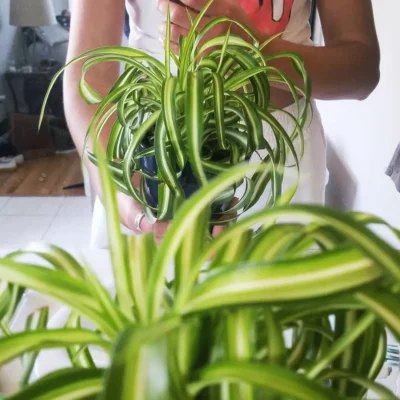
One of the biggest differences between curly Bonnie spider plants and standard varieties is how they fill out. Instead of growing long and wide, they rely on dense, consistent growth from the center to achieve that full, rounded look.
When conditions are right, new leaves emerge tightly curled and close together, gradually building a thicker, more compact plant. However, if something is off—especially light or watering—the plant may still grow, but it won’t fill out the same way. This is when it starts to look thin, uneven, or stretched.
Managing runners also plays a role. While spiderettes are a natural part of the plant’s growth, producing too many at once can pull energy away from the main plant. If your goal is a fuller base, trimming some runners can help redirect that energy back into leaf production.
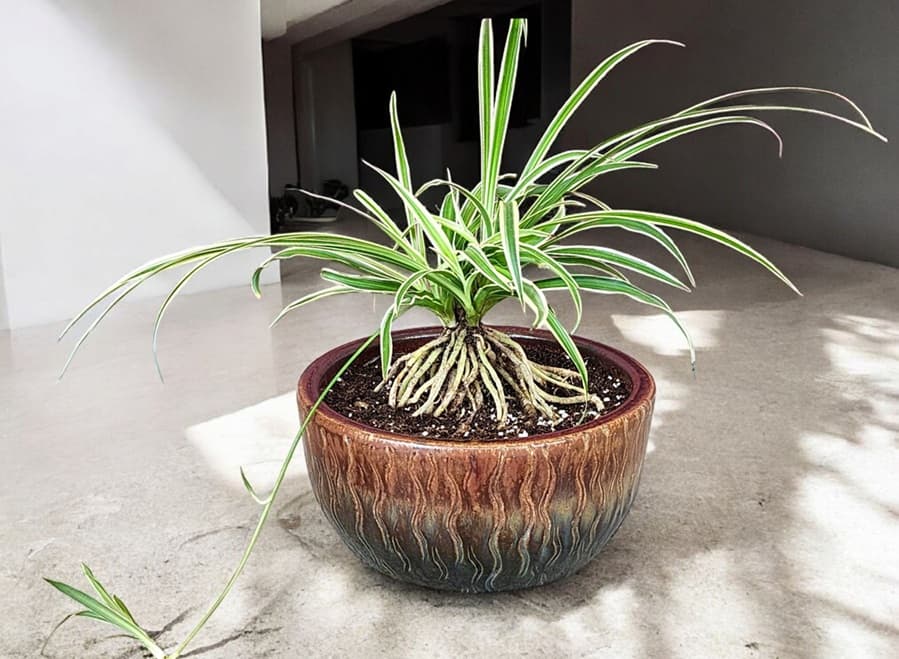
Pot size matters as well. Curly Bonnie spider plants tend to do better when slightly root-bound. A pot that is too large can hold excess moisture and slow down the plant’s ability to grow densely. Keeping the root system a bit snug encourages more controlled, compact growth above the soil.
A full, healthy plant doesn’t happen quickly—it’s the result of consistent conditions over time. Once the plant is in a stable environment, you’ll start to see more uniform growth and a stronger overall shape.
Final Thoughts on Curly Bonnie Spider Plant Care
Curly Bonnie spider plants are often grouped in with standard spider plants, but once you start growing them, the differences become clear. Their curled leaves, compact shape, and sensitivity to environmental changes mean they require a more consistent approach to care if you want them to look their best.
The key isn’t doing more—it’s doing things steadily. Stable lighting, consistent watering, and a controlled environment all contribute to how the plant grows and how well it maintains its structure. When those conditions are in place, the plant responds with fuller growth, stronger curl, and a healthier overall appearance.
It’s also important to recognize that these plants show changes gradually. Improvements in care won’t always fix existing leaves, but they will influence how new growth develops. Over time, that’s what reshapes the plant and brings it back to a more balanced, defined form.
If you’re also working on propagating spiderettes or trying to correct curl loss, those areas connect directly back to care. The healthier and more stable the plant is, the better it performs in every stage—from growth to reproduction.
With the right setup and a consistent routine, curly Bonnie spider plants become one of the most distinctive and rewarding houseplants to grow indoors.