Light requirements for spider plants indoors
Spider Plant Light Requirements Indoors (Best Light for Healthy Growth)
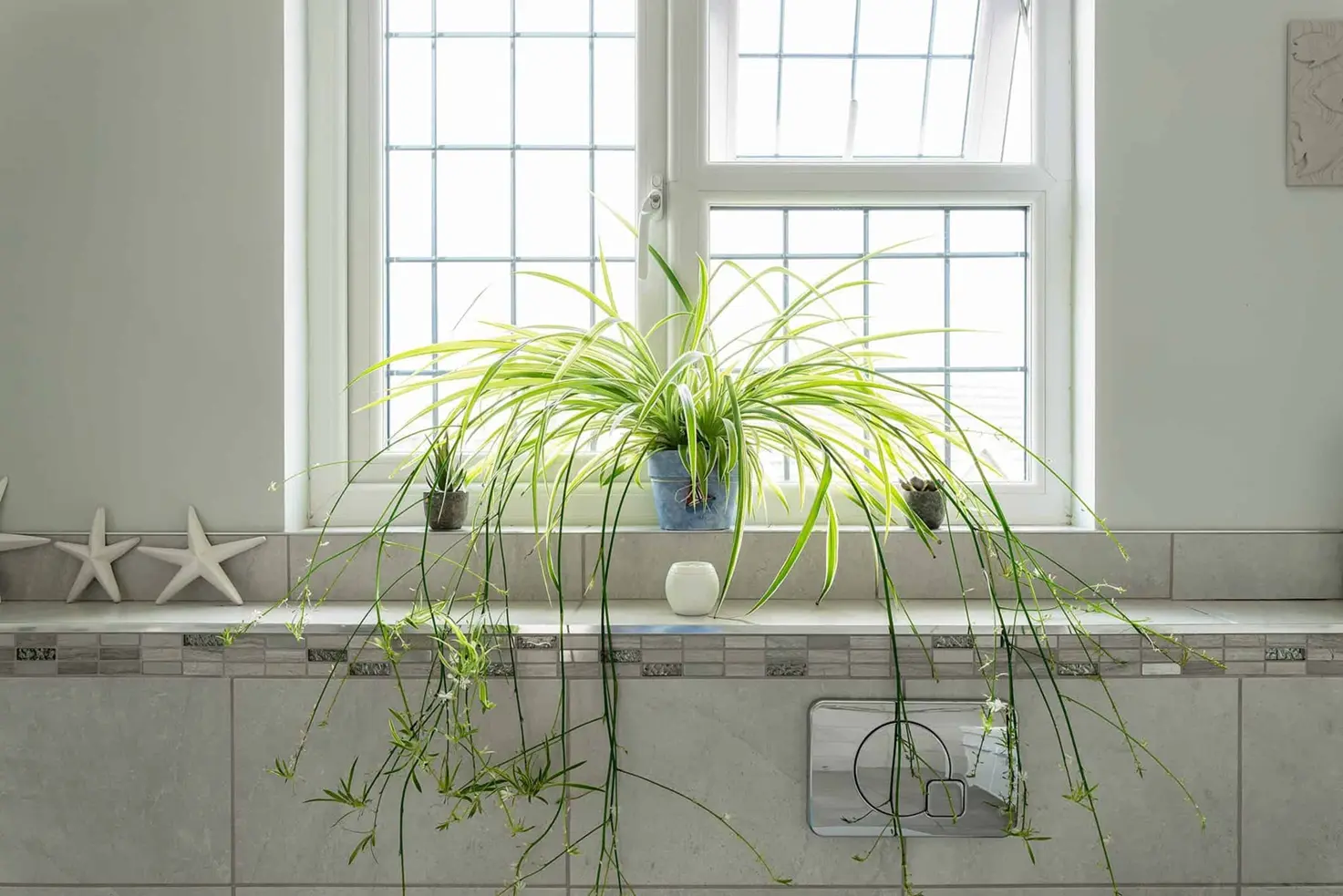
Spider plants (Chlorophytum comosum) thrive with 6 to 8 hours of bright, indirect sunlight daily. While they can tolerate lower light, they prefer bright conditions to maintain their variegated colors and robust growth. Direct sun should be avoided, especially in summer, as it can scorch the leaves.
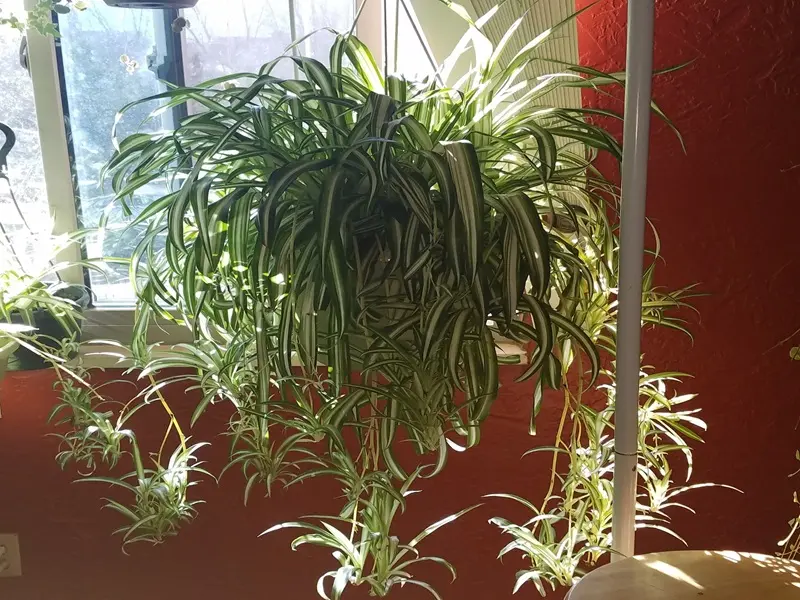
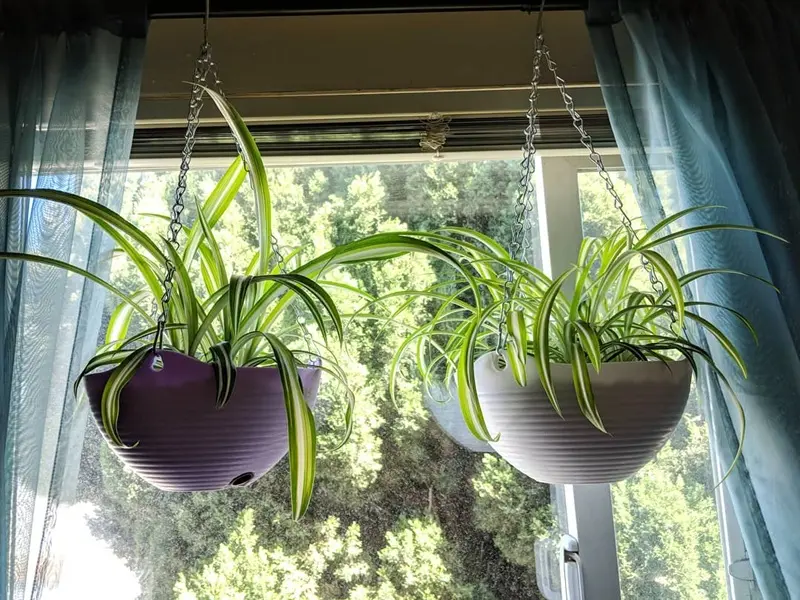
Ideal Lighting Conditions
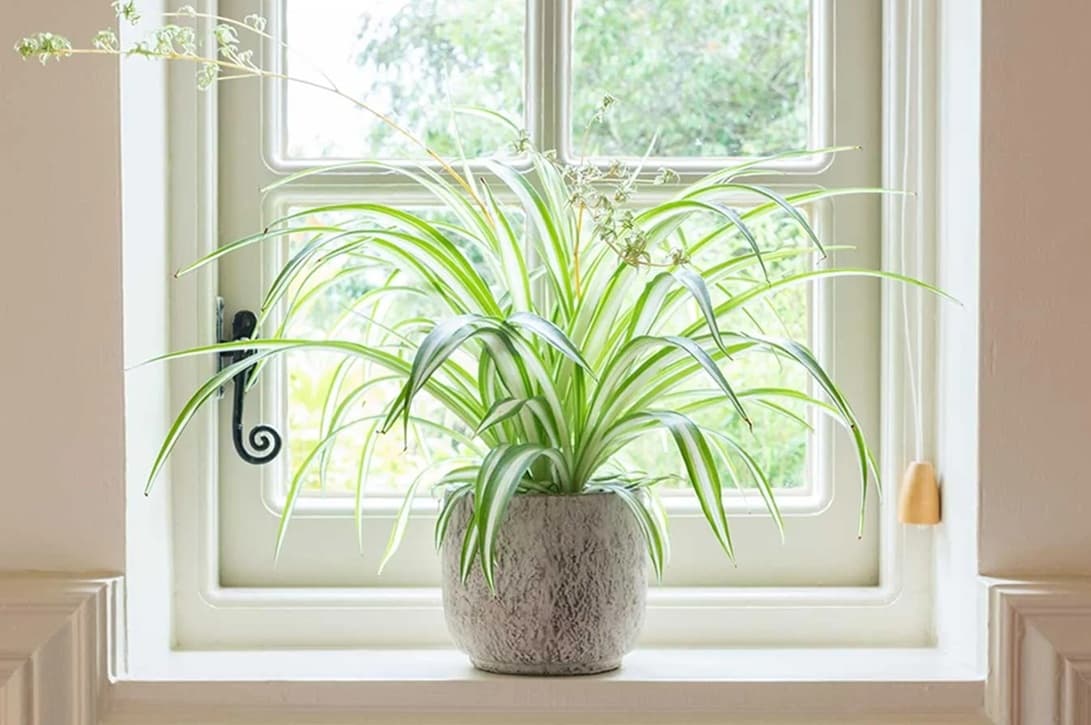
Source: Place your plant near an east- or west-facing window. A south-facing window also works if the light is filtered by a sheer curtain to prevent direct sun exposure.
Duration: Aim for 6 to 8 hours of indirect light daily. During their reproductive season, they may need up to 10 hours of light to flower.
Intensity: They prefer moderate light intensity, roughly 200–400 PPFD or about 700 foot-candles.
Adaptability and Alternatives
Low Light Tolerance: Spider plants can survive in low-light areas, but they will grow more slowly, may lose their leaf variegation (striping), and likely won’t produce offshoots.
Artificial Light: These plants do very well under LED grow lights. If relying entirely on artificial light, keep the lights on for 12 to 14 hours daily.
Direct Sun Caution: Avoid intense, direct afternoon sun, which can scorch the leaves, leading to brown tips and faded coloring. Gentle morning sun is generally safe.
Signs Your Plant Needs a Change
Too Much Light: Look for leaf scorch (brown, crispy patches), faded leaf color, or crispy brown tips.
Too Little Light: Signs include leggy growth (long gaps between leaves), loss of variegation, or a dull, limp appearance.
The best tip for spider plant lighting is to provide bright, indirect light, ideally from an east-facing window to avoid scorching afternoon sun. Aim for 4–6 hours of light daily to prevent leaf fading and encourage babies (spiderettes).
Quick Lighting Guide:
Best: Bright, indirect light.
Okay: Some direct morning sun.
Avoid: Harsh, direct afternoon sun.
Tolerant: Office fluorescent lights.
Key Lighting Requirements & Tips
If your spider plant doesn’t look healthy and lush, move it to a brighter location. Light plays a major role in how your spider plant looks and grows. The right lighting helps produce vibrant leaves, strong growth, flowers, and even baby spider plants. Too much direct sun can scorch the leaves, while too little light can lead to weak, dull, or floppy growth. Finding the right balance is key to keeping your spider plant healthy and thriving.
Signs your spider plant is getting perfect light
A spider plant with perfect lighting—typically bright, indirect light—shows vibrant,, high-contrast variegation (for striped varieties), rapid growth, and, on mature plants, small white flowers that turn into trailing, healthy “spiderettes”. Leaves will appear perky, upright, and maintain a bright, glossy green color without brown tips, scorching, or extreme fading.
- Vibrant Color & Variegation: The white stripes on variegated spider plants are crisp and white, while the green is vibrant, not dull.
- Compact Growth: The plant remains full and compact, with normal leaf spacing rather than long, thin (leggy) stems stretching for light.
- Healthy Offspring (“Spiderettes”): Production of numerous healthy, new baby plants on trailing stems is a sign of sufficient energy, usually indicating it is receiving enough light.
- Perky, Upright Foliage: Leaves stand tall or arch gracefully without drooping.
- No Scorching or Brown Tips: The leaves are free of burnt, brown, or dry tips, which often occur when direct sunlight is too intense, especially in summer.
🤫 The Spider Plant Lady’s Lighting Secrets!
Low Light Can Trigger Babies
A short period of lower light—especially in fall—can actually signal a mature spider plant to begin producing spiderettes. It’s not just about growth… it’s about timing.
Variegation Is a Light Signal
If your variegated spider plant (white stripes) is losing its stripes and turning fully green, it is not “judging” you—it is actively trying to create more chlorophyll to compensate for insufficient light. It needs a brighter spot to regain its color.
“Invisible” Sunburn is Real
Too much direct sun doesn’t always show as brown burns. Often, leaves become pale, washed-out, or slightly translucent before damage becomes obvious.
Dust = Less Energy
Dust buildup blocks light from reaching the leaf surface, reducing photosynthesis. Clean leaves regularly to boost energy and overall health.
Morning Sun is The Sweet Spot
Spider plants love gentle morning sun (east-facing windows) but can struggle with harsh afternoon light. Bright + soft beats strong + direct.
Final Lighting Thoughts
Lighting doesn’t have to be complicated—once you find the right spot, your spider plant will do the rest. Bright, indirect light is the sweet spot for strong growth, vibrant leaves, and the best chance at flowers and babies. If your plant isn’t thriving, adjusting its light is often the quickest and easiest way to see real improvement. ☀️