How to stop spider plant leaves from bending in half
Are you spider plant’s leaves folding in half?
Why are the leaves on my spider plant bending in half?
Spider plants are known for their graceful arching leaves, so when the leaves suddenly bend sharply, crease, fold in half, or flop over, it usually means the plant is dealing with stress or physical damage. The good news is that most causes are fixable, and new growth can come back healthy.
Can Bent Leaves Straighten Back Out?
Minor Soft Bends:
Sometimes yes, especially if caused by thirst.
Sharp Creases or Folded Leaves:
Usually no. Once the leaf tissue snaps internally, it stays bent.
That’s okay—focus on healthy new growth!
Read on to learn more about why spider plant leaves bend, crease, fold, or flop and what causes it. This guide covers watering issues, rootbound stress, physical damage, lighting, and simple fixes to help your spider plant grow strong, upright, healthy leaves again.
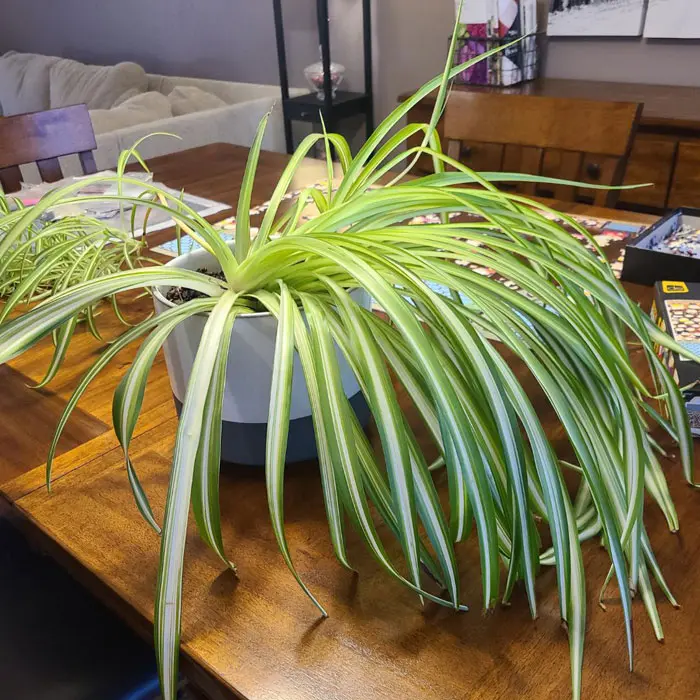
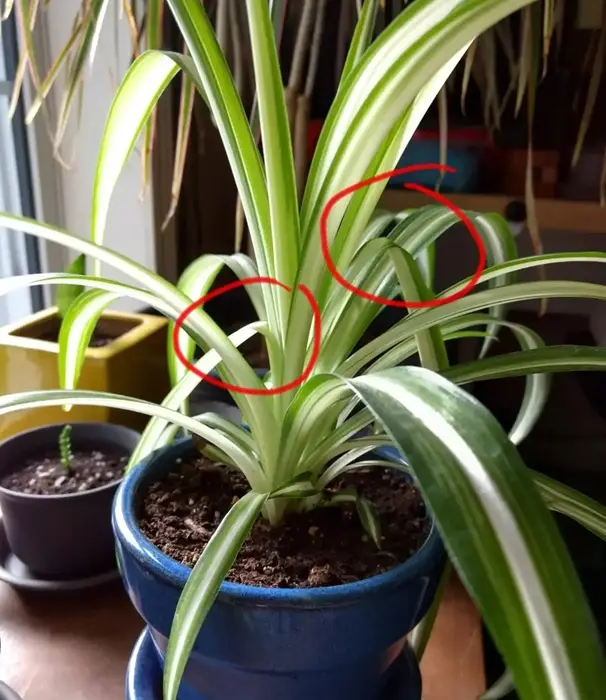
Quick Diagnosis Cheat Sheet!
WHY ARE YOUR SPIDER PLANT’S LEAVES FOLDING OVER?
- Leaves folded + dry soil = underwatering
- Leaves bent + wet soil = root stress
- Single creased leaves = physical damage
- Whole plant floppy = watering/root issue
- Only sunny side bent = heat/light stress
- Huge crowded plant = rootbound
The Most Common Reasons Spider Plant Leaves Bend or Fold
Learn why spider plant leaves bend, crease, fold, or flop and what causes it. This guide covers watering issues, rootbound stress, physical damage, lighting, and simple fixes to help your plant grow strong, upright, healthy leaves again.
How to prevent a spider plant from bending
Use these tips to get them to spring back into action:
How to stop spider plant leaves bending in half
Why are spider plant leaves bending over?
How to keep your spider plant’s leaves from bending
Spider plant leaves bending in half is usually caused by overwatering, leading to limp, weak foliage. Other common causes include improper lighting, root-bound conditions, or moisture stress. Fix this by allowing the top inch of soil to dry out completely between waterings, ensuring adequate drainage, and providing bright, indirect light.
How to Prevent Bent or Folded Leaves:
Should You Trim Bent Spider Plant Leaves?
Yes, if:
- they look damaged
- crease badly
- bother you visually
- are browning afterward
Use clean scissors and cut near the base.
Good News 🌿
Bent leaves are usually cosmetic, not fatal. Spider plants are resilient and bounce back quickly once the cause is corrected.
Even if older leaves stay bent, spider plants constantly grow fresh new leaves from the center.
If care improves now, the next growth will usually come in strong, straight, and beautiful.
The Spider Plant Lady’s Bent Leaves Secrets
Bent or folded spider plant leaves are often more than just a cosmetic issue—they can be a sign of stress, especially from dehydration. When a leaf becomes too dry, it loses its internal pressure (called turgor), which helps keep it firm and upright. Once that pressure is lost for too long, the leaf can crease or “snap,” creating a permanent bend that will not fully recover..
Permanent “Snap” Crease: If a leaf is allowed to become too dry, the internal tissues collapse and create a crease that often leaves the leaf permanently broken at that point, rather than merely drooping.
The “Thirsty Curl”: Severely dried leaves can collapse internally, causing a bend that stays even after watering.
Mature Weight vs. Stress: Longer, mature leaves may arch naturally, but sudden bending combined with dull color or brown tips usually points to underwatering.
Physical Damage: Spider plant leaves are soft and can crease easily if bumped, crowded, or pressed against pots or surfaces.
What to Do: If a leaf is permanently bent or damaged, it is usually best to trim it off at the base. This allows the plant to focus its energy on producing fresh, healthy growth.