Why Is My Bonnie Spider Plant Losing Its Curl?
Has your Bonnie spider plant lost its curl?
Why Is My Bonnie Curly Spider Plant Losing Its Curl?
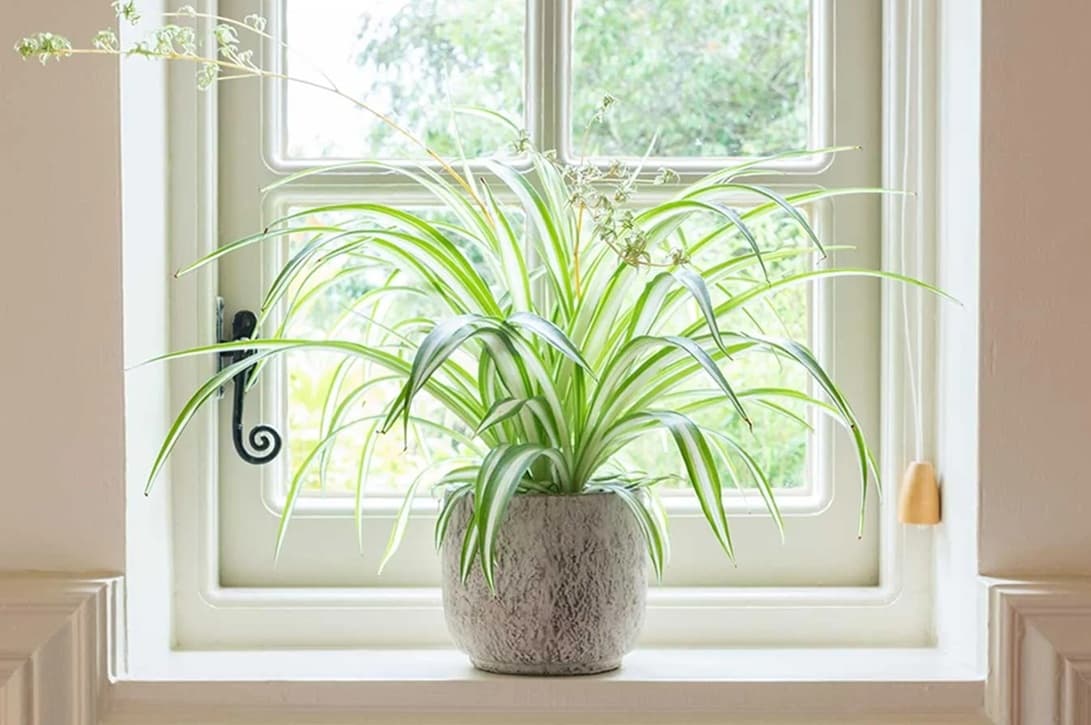
Is you curly spider plant turning into straight leaves? A Bonnie spider plant (Chlorophytum comosum ‘Bonnie’) typically loses its curl due to insufficient light, excessive water, or a lack of the “stress” that it needs to maintain its shape. They require bright, indirect light to stay curly; if they are in too low light, they grow straight to catch more light.
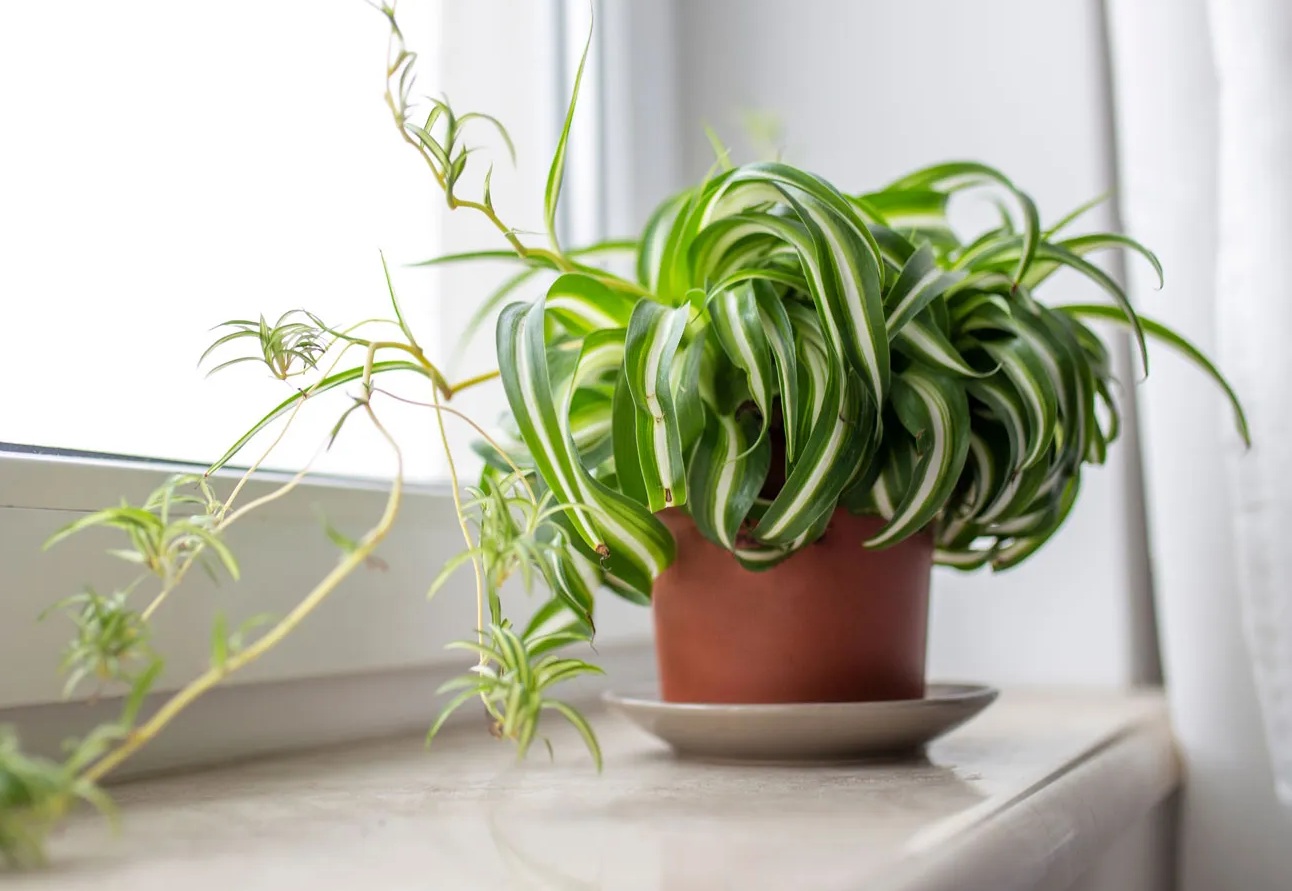
Why is my curly spider plant no longer curly?
Main Reasons Bonnie Spider Plants Lose Curl
bonnie spider plant lost its curl?
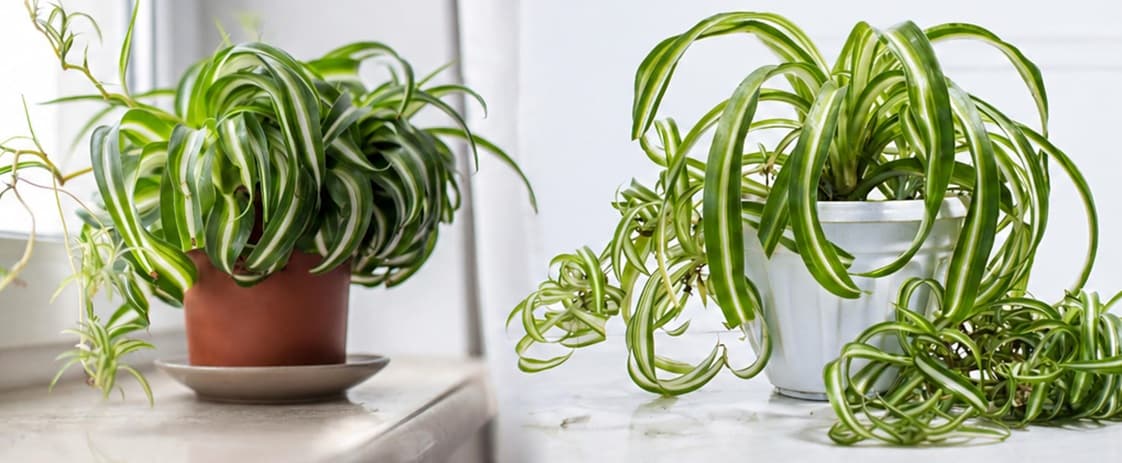
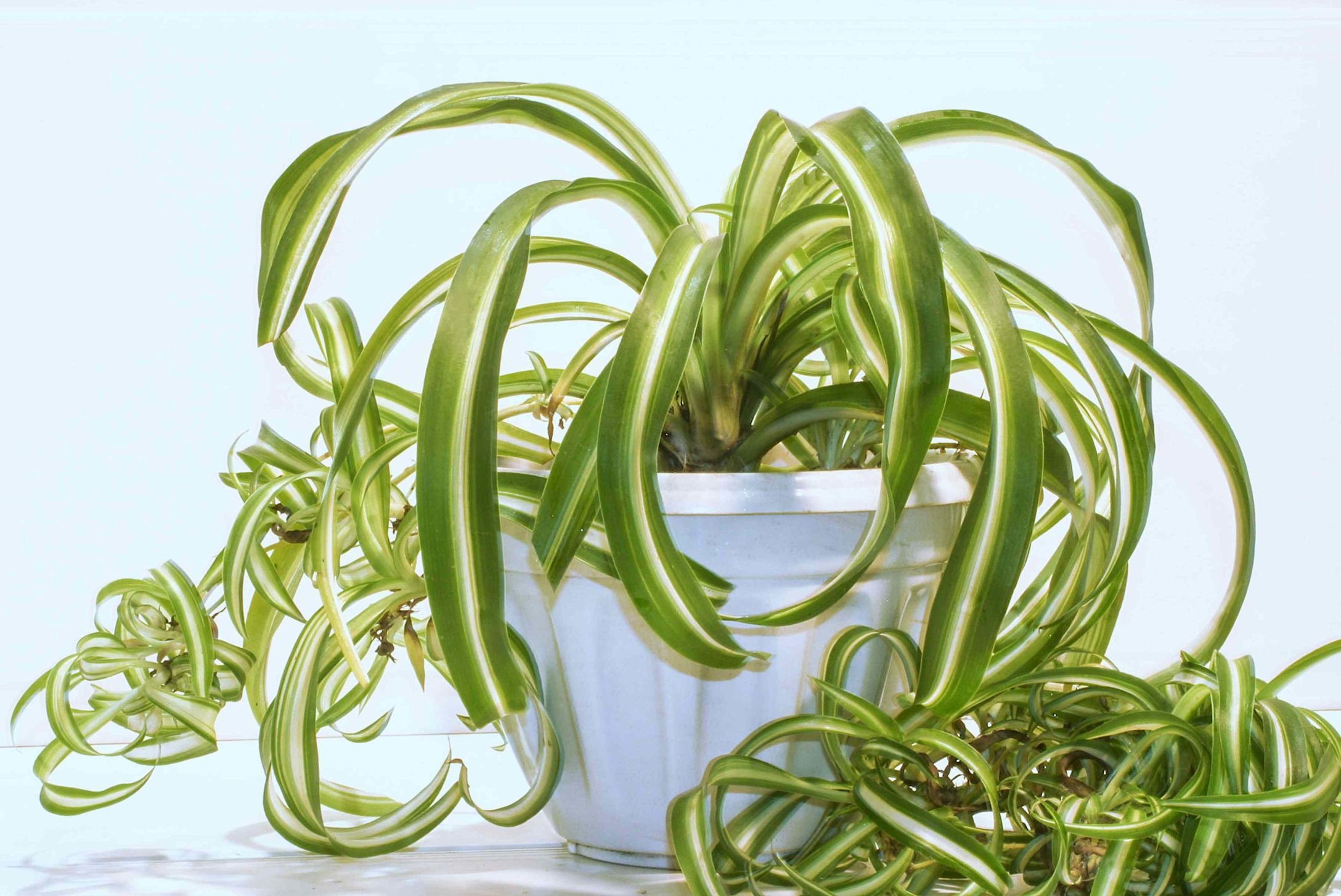
Bonnie spider plants are loved for their beautiful curly leaves, but sometimes those curls can loosen or look straighter. In most cases, this is normal and can be corrected with a few simple care adjustments.
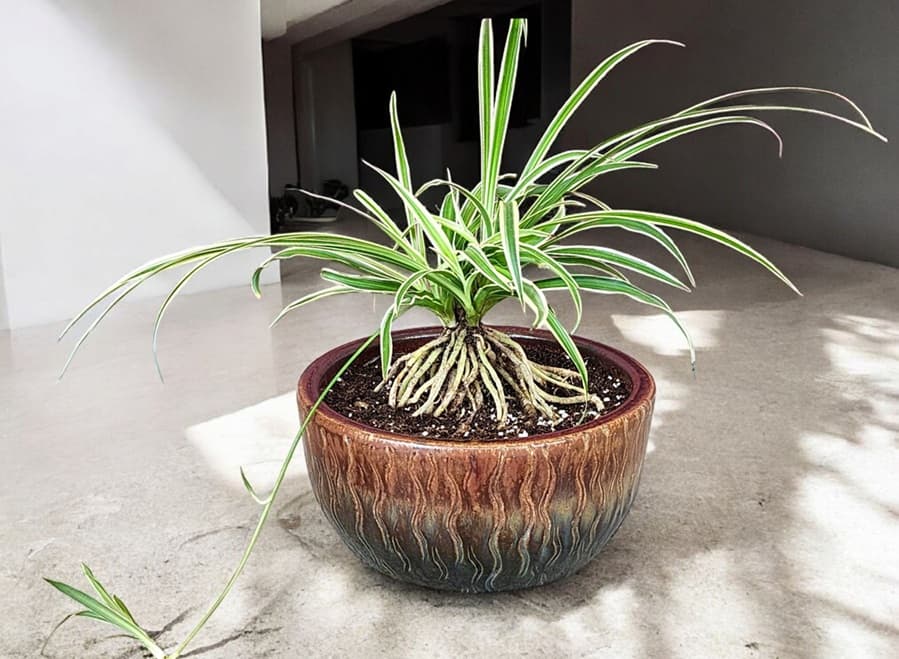
Curl changes are usually a sign of environment, watering, growth stage, or temporary stress rather than a serious problem. Too much water can make leaves limp, while too little water can stress the plant and flatten curls. Keep soil lightly moist but never soggy.
Below is a Bonnie Curly Spider Plant Guide if you’re asking yourself:
“Why is my curly spider plant not curly?”
How to Encourage More Curl In Your Bonnie Spider Plant
How to keep a Bonnie spider plant curly?
There are several different ways to learn how to get a Bonnie curly spider plant to curl more and how to keep those curls tight.
The Spider Plant Lady’s Bonnie Curly Spider Plant Secrets
The Bonnie Curly Spider Plant’s intense curls are often induced by stress or specific, short-day lighting conditions. While known for its curly, spiraled leaves, this variety sometimes produces straighter leaves if it is too comfortable, and it will return to a tighter curl when it experiences cooler temperatures or lower light, making it a “living sculpture” that changes based on its environment.
The “Reverse Curl” Secret: A “Bonnie” is technically a variegated curly spider plant, but sometimes it can produce solid green, highly curly, or even reverse-variegated (white on the outside, green in the middle) leaves.
Faster Baby Production: Despite being more compact, the ‘Bonnie’ is known to produce its “spiderettes” (baby plants) more frequently than traditional spider plants.
Wait for the Curl: If you buy a ‘Bonnie’ that has somewhat straight leaves, they often curl tightly as they mature.
Thicker Leaves: Its foliage is generally thicker and more fleshy than the common spider plant.
Final Thoughts
If your Bonnie spider plant is healthy and growing, a little loss of curl is usually nothing to worry about. With good care and time, new leaves often return with stronger curls. Healthy roots and proper light make the biggest difference. 🌿〰️💚