How Often to Water a Spider Plant
How much water does your spider plant need?
Watering Your Spider Plant: Must-Know Tips & Best Practices
Watering is one of the most important parts of spider plant care, but it is also where many owners go wrong. Spider plants do not like constantly soggy soil, yet they also dislike being left bone dry for too long. Finding the right balance keeps leaves healthy, roots strong, and growth steady.
How often you should water depends on the season, light levels, pot size, soil type, and the temperature in your home. Instead of watering on a strict schedule, it is better to learn what your plant is telling you. Once you understand its needs, watering becomes simple and stress-free.
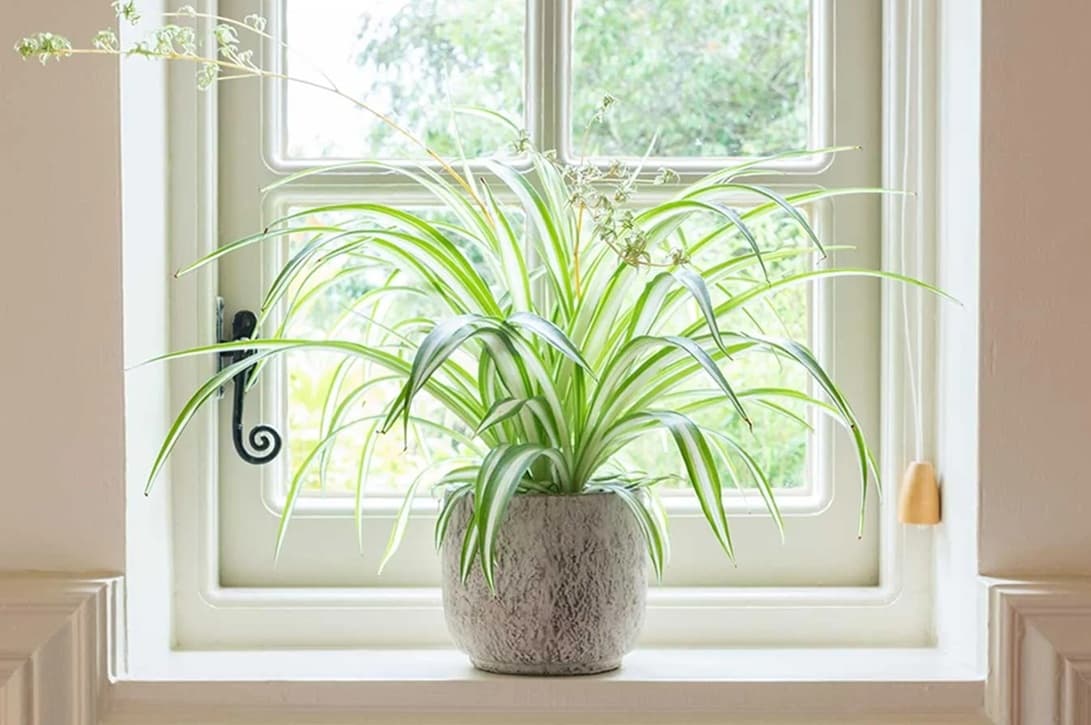
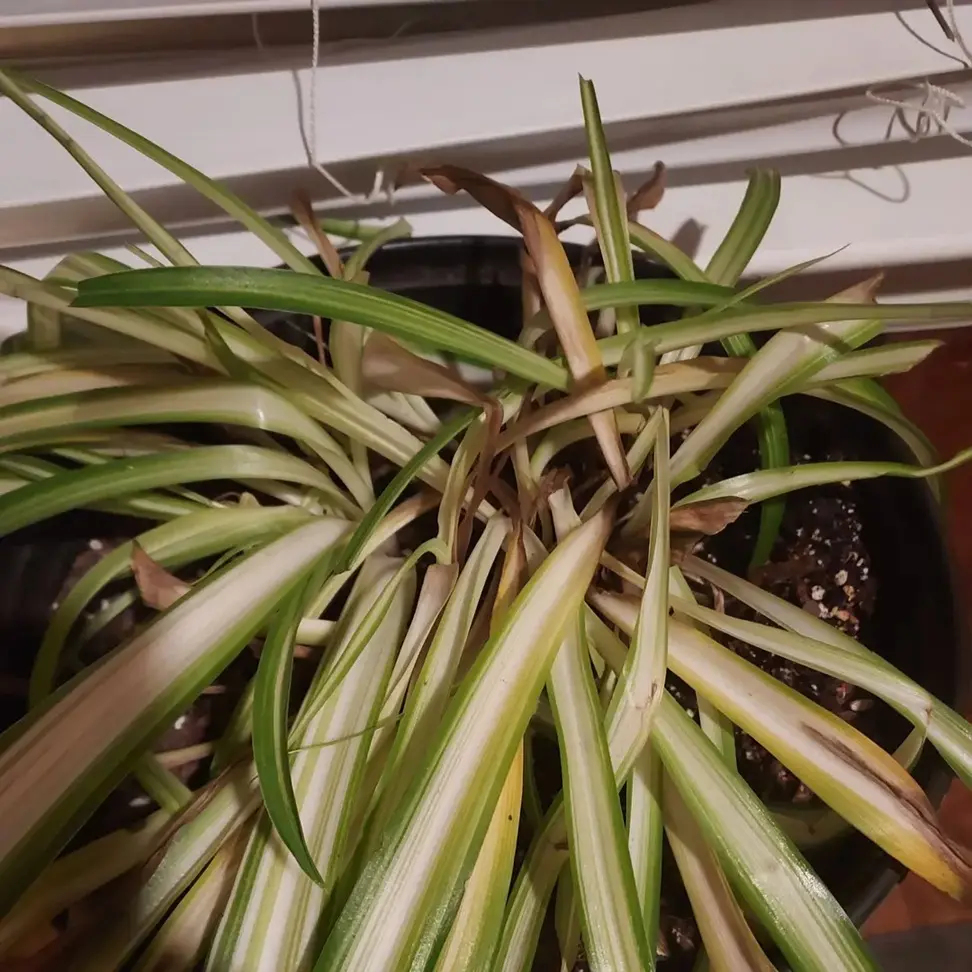
What does an overwatered spider plant look like?
Overwatered
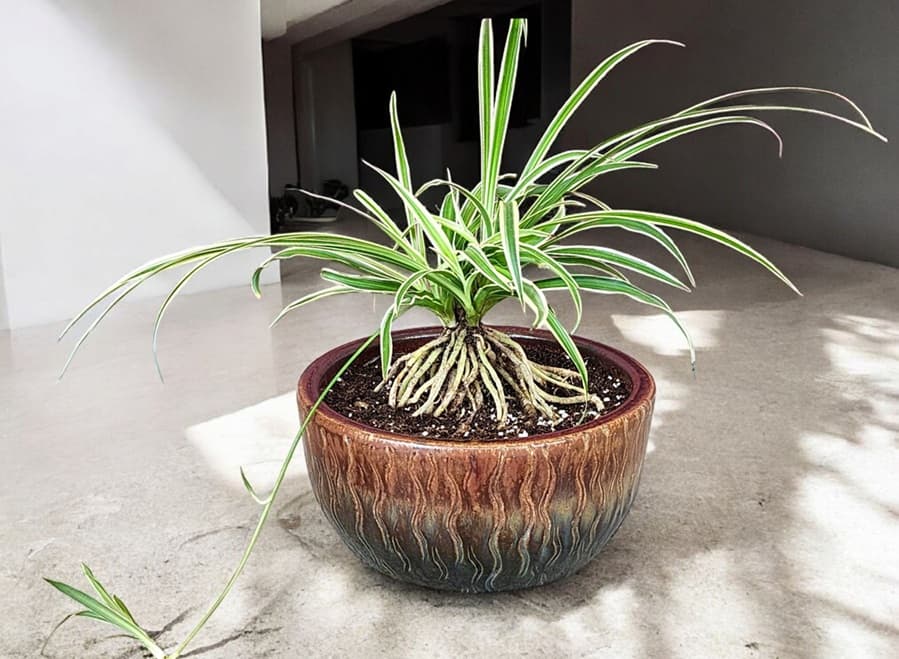
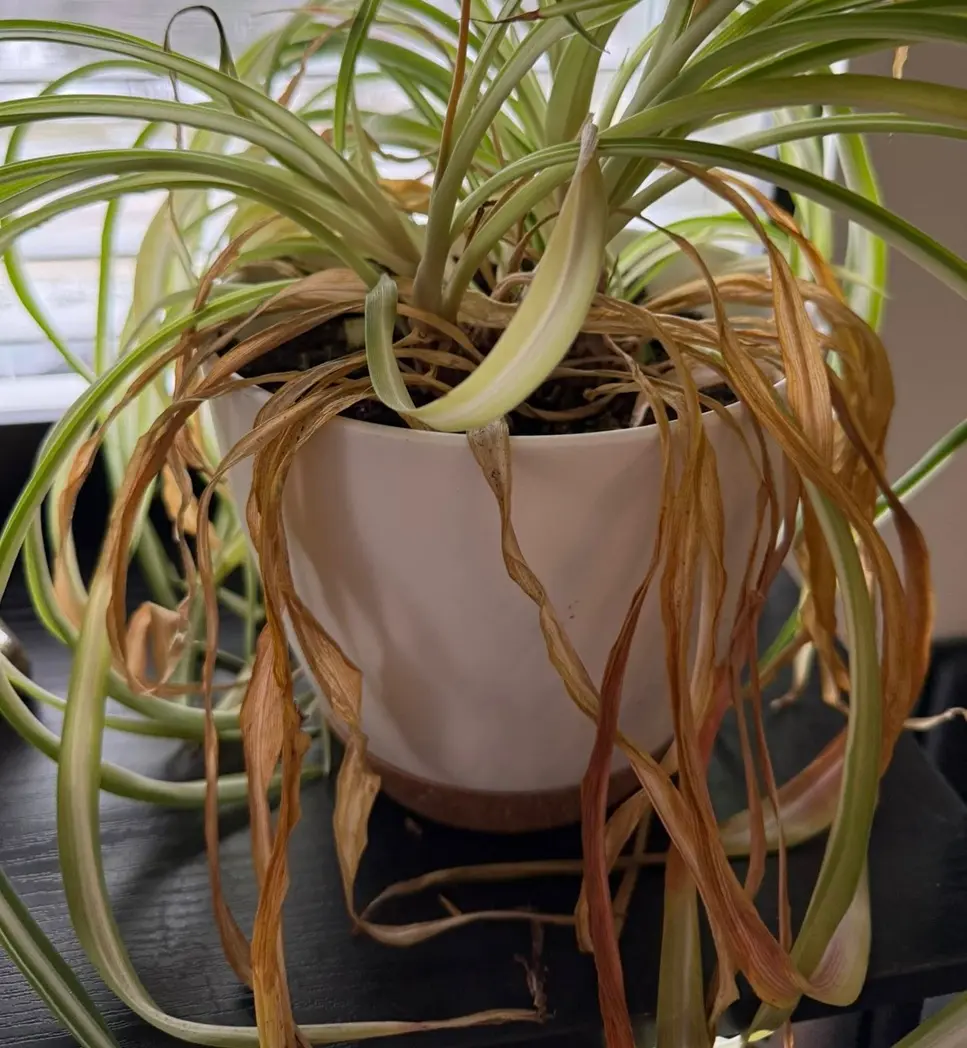
What does an under watered spider plant look like?
Underwatered
Best Watering Practices for Spider Plants
How Often to Water a Spider Plant Indoors
Spider plants (Chlorophytum comosum) thrive when watered thoroughly only after the top 2–3 inches of soil have dried out, typically every 7–10 days. Use well-draining soil and ensure the pot has drainage holes to avoid root rot, which they are susceptible to. During winter, reduce watering frequency.
- When to Water: Check soil moisture; if the top 2-3 inches are dry, it is time to water. In summer, they may need water every 5–7 days, whereas in winter, every 12–18 days is sufficient.
- Signs of Thirst: The plant will often appear pale green or slightly grey, and the leaves will feel soft or start to droop/curl when it needs water.
Watering Method:
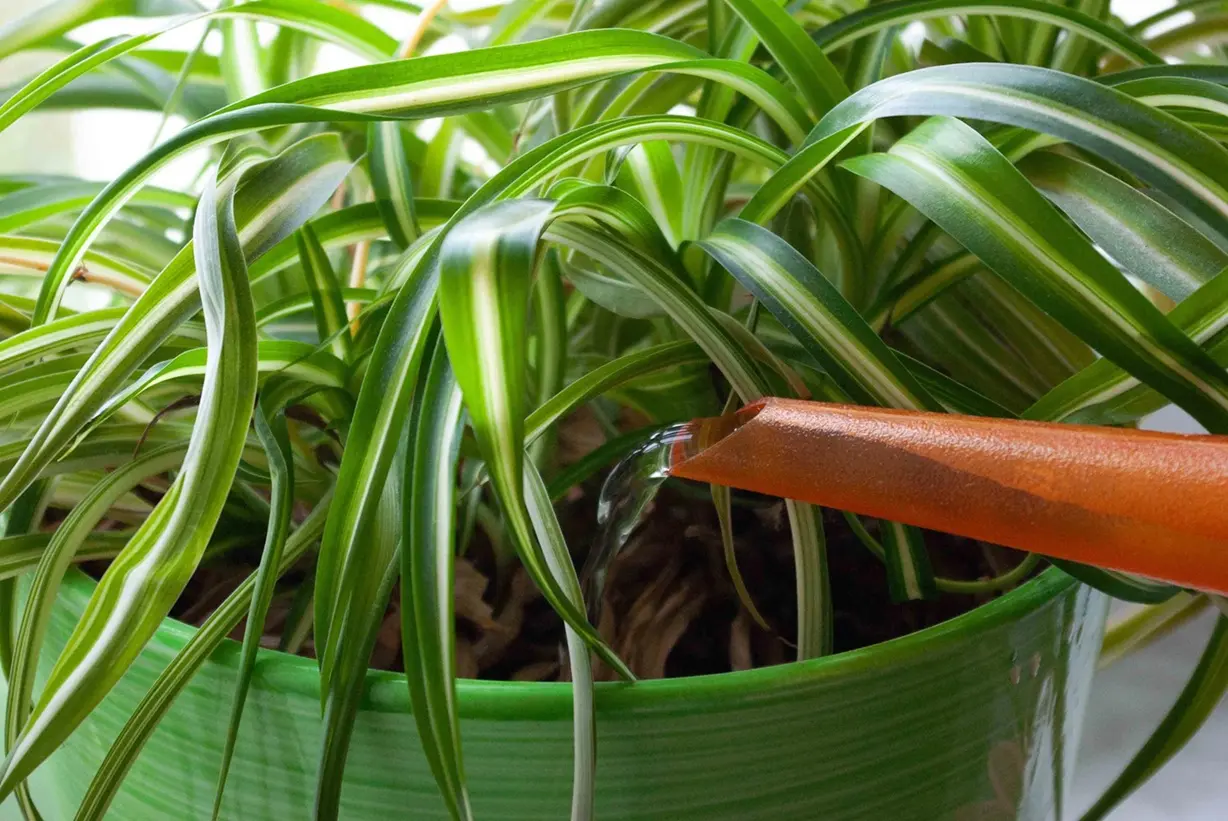
- Top Watering: Pour water until it flows out of the drainage holes.
- Bottom Watering: Place the pot in a dish of water for 45 minutes to let the roots absorb moisture.
- Drainage: Always discard excess water from the saucer to prevent root rot.
- Water Temperature: Use room temperature water to avoid shocking the plant.
What Water Is Best to use when watering a spider plant?
Spider plants can be sensitive to minerals and fluoride. Use spring, filtered, distilled, or rainwater, as spider plants are sensitive to fluoride and salts found in tap water, which can cause brown, dead leaf tips.
Best options for watering spider plants:
- Rainwater
- Spring water (has the most beneficial minerals)
- Filtered water
- RO (Reverse Osmosis)
- Distilled occasionally
- Tap water left out overnight (helps chlorine dissipate)
🤫 Spider Plant Lady Secret Tip!
To prevent brown leaf tips caused by fluoride sensitivity, water your spider plant with Spring water, and adopt a bottom-watering method by placing the pot in a dish of water for 15 minutes. This provides extra good minerals and encourages deep root growth while keeping the crown dry, preventing root rot.
Common watering mistakes to avoid
To avoid killing spider plants, avoid overwatering (causing root rot), using tap water (causing brown tips), and letting them sit in soggy soil. Water only when the top 1–2 inches of soil are dry, using filtered or distilled water, and ensure the pot has drainage holes to avoid waterlogged roots.
🤫 The Spider Plant Lady’s Watering Secrets
Choosing the Best Water for Your Spider Plant
** Distilled water is NOT my favorite for spider plants since it’s a bit too pure (no minerals). Spring or treated tap water usually gives them what they need. If your tap water is super hard or heavy on chemicals, filtered is definitely better.
- 🚿 Giving your spider plant a gentle shower once a month can help rinse away dust, mineral buildup, and pests from the leaves. This keeps the foliage clean, helps the plant breathe better, and can even reduce brown tips over time. Just use lukewarm water and let the plant drain fully before returning it to its spot.
- 💧 Watering spider plants with spring water provides essential minerals like calcium, magnesium, and potassium, promoting stronger growth, healthier foliage, and better soil health compared to treated tap water, distilled, or RO. Free from chlorine and fluoride, it prevents leaf-tip burn and is an excellent nutrient-rich, neutral-pH option for sensitive houseplants and indoor gardening.
- 🍂 To keep spider plants thriving and prevent brown tips, use bottom watering to allow the roots to absorb water directly while keeping the crown dry. This technique prevents root rot and allows the plant to absorb only the moisture it needs, preventing overwatering.
Final Watering Thoughts
Not all water is equal when it comes to spider plant care. These plants can be sensitive to chemicals, salts, and minerals commonly found in tap water, which can build up over time and lead to brown tips or stressed growth. Choosing the right type of water can make a noticeable difference in leaf health, overall appearance, and long-term plant success. 🌿💧