Outdoor Light Requirements for Spider Plants (What Works Best)
How Much Light Do Spider Plants Need Outdoors?
Finding the Right Balance Between Sun and Shade
Getting the light right is one of the most important parts of growing healthy spider plants outdoors. While spider plants are known for being adaptable, too much direct sun can quickly damage their leaves, especially in hotter conditions. On the other hand, not enough light can lead to slower growth and faded color.
From my own curly spider plants, I’ve found they thrive best in bright, indirect light or gentle morning sun with protection from harsh afternoon rays. When you find that balance, spider plants grow fuller, greener, and much more resilient outside. In this guide, you’ll learn exactly what kind of light works best, how to spot problems early, and how to adjust your setup so your plants stay healthy and vibrant.
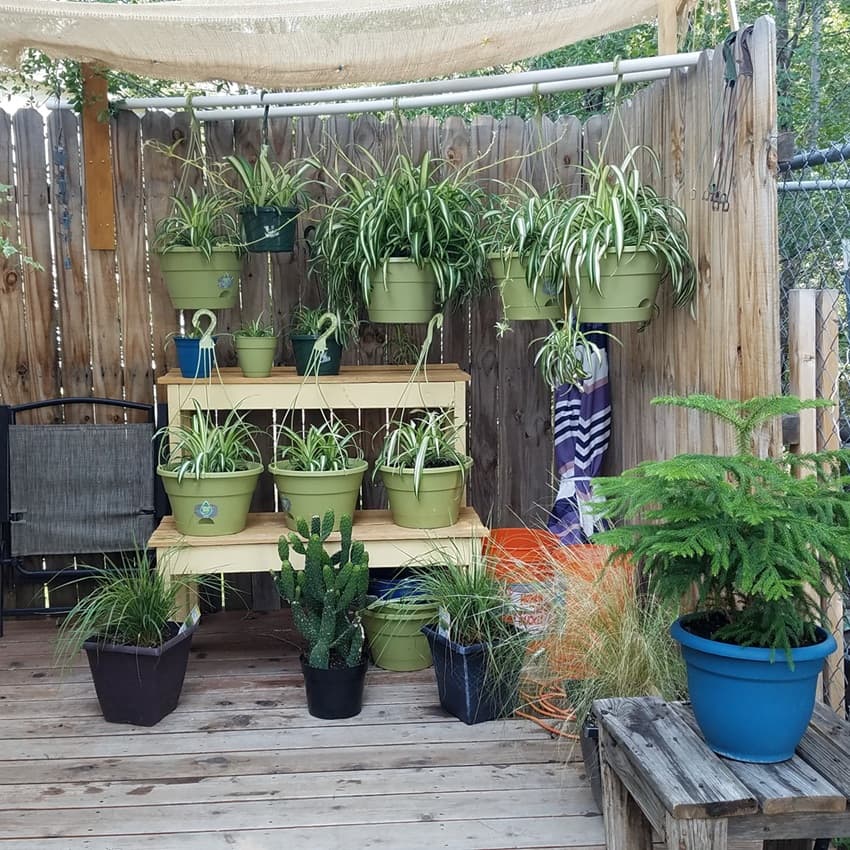
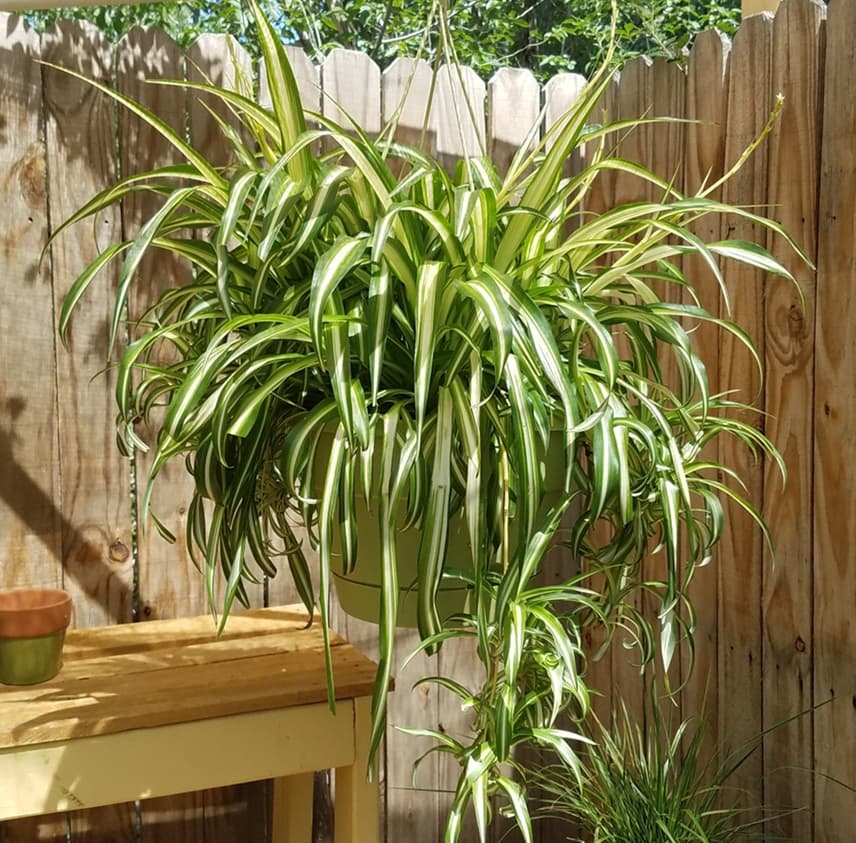
Best Outdoor Light for Spider Plants
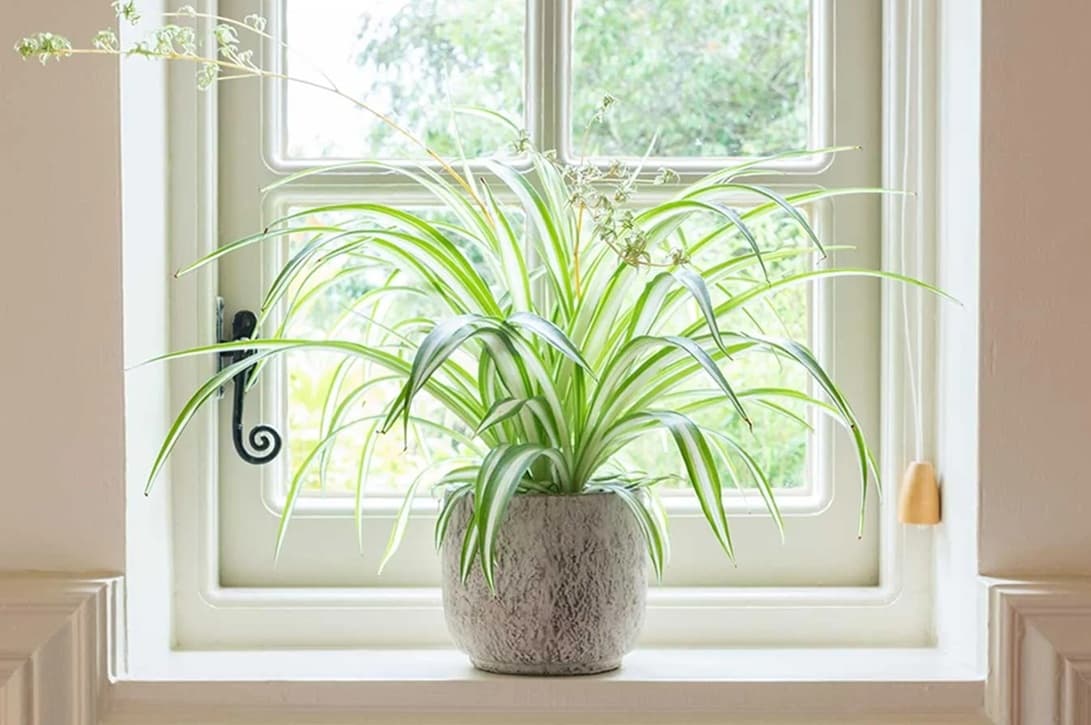
Spider plants grow best outdoors in bright, indirect light or partial shade. They naturally prefer filtered sunlight rather than intense, direct exposure. A few hours of gentle morning sun can help encourage healthy growth, but strong afternoon sun—especially in summer—can be too harsh for most varieties.
When grown outside, spider plants tend to do best in locations where they receive plenty of light without being fully exposed all day. This balance helps maintain their green color, prevents leaf damage, and supports steady, healthy growth. Finding the right light level is key to keeping spider plants thriving outdoors.
Can Spider Plants Handle Full Sun Outdoors?
Spider plants can handle limited direct sunlight, but they generally do not do well in full sun all day. While early morning sun is usually safe, extended exposure to strong midday or afternoon sun can lead to stress and leaf damage.
In cooler or milder climates, spider plants may tolerate more sun than expected. However, in warmer regions, full sun can quickly cause problems. It’s always best to start with partial sun or indirect light and adjust based on how the plant responds.
What Spider Plant Sunburn Looks Like
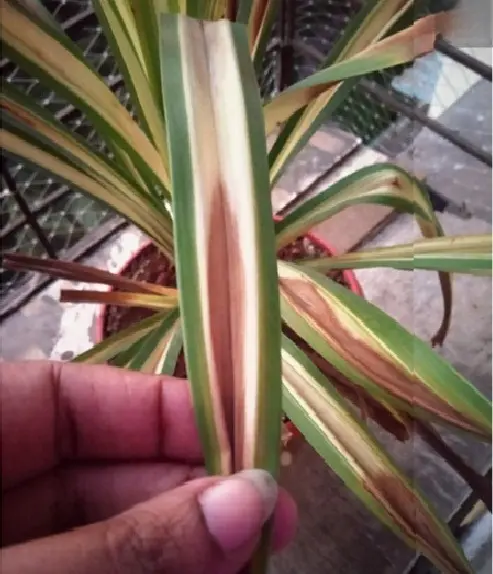
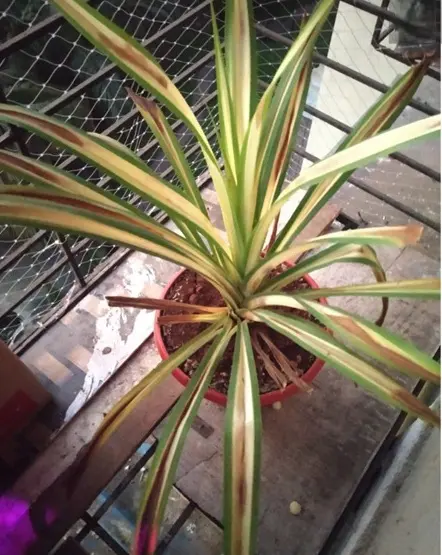
If your spider plant is getting too much direct sunlight, the damage won’t show up as simple brown tips—instead, you’ll see long brown or tan streaks running down the center of the leaves, often with a slightly faded or bleached appearance. This type of damage is known as leaf scorch or sunburn, and it typically happens when a plant that prefers bright, indirect light is exposed to strong afternoon sun. Unlike minor tip browning, sunburn affects larger sections of the leaf and can make the plant look patchy or stressed. To prevent further damage, move your spider plant to a spot with filtered or indirect light, where it can recover and continue growing without being scorched.
Signs Your Spider Plant Is Getting Too Much Sun
Too much sunlight can cause visible stress fairly quickly. Knowing the signs early helps prevent long-term damage.
Common signs include:
If you notice these symptoms, your spider plant is likely getting too much direct sun. Moving it to a location with more shade or filtered light can help it recover.
Signs Your Spider Plant Isn’t Getting Enough Light
Spider plants also need enough light to stay healthy. When light levels are too low, growth and appearance can suffer.
Look for:
If your plant seems stagnant or dull, increasing light exposure—without going straight to full sun—can improve its overall condition.
Where to Place Spider Plants Outdoors for Best Light
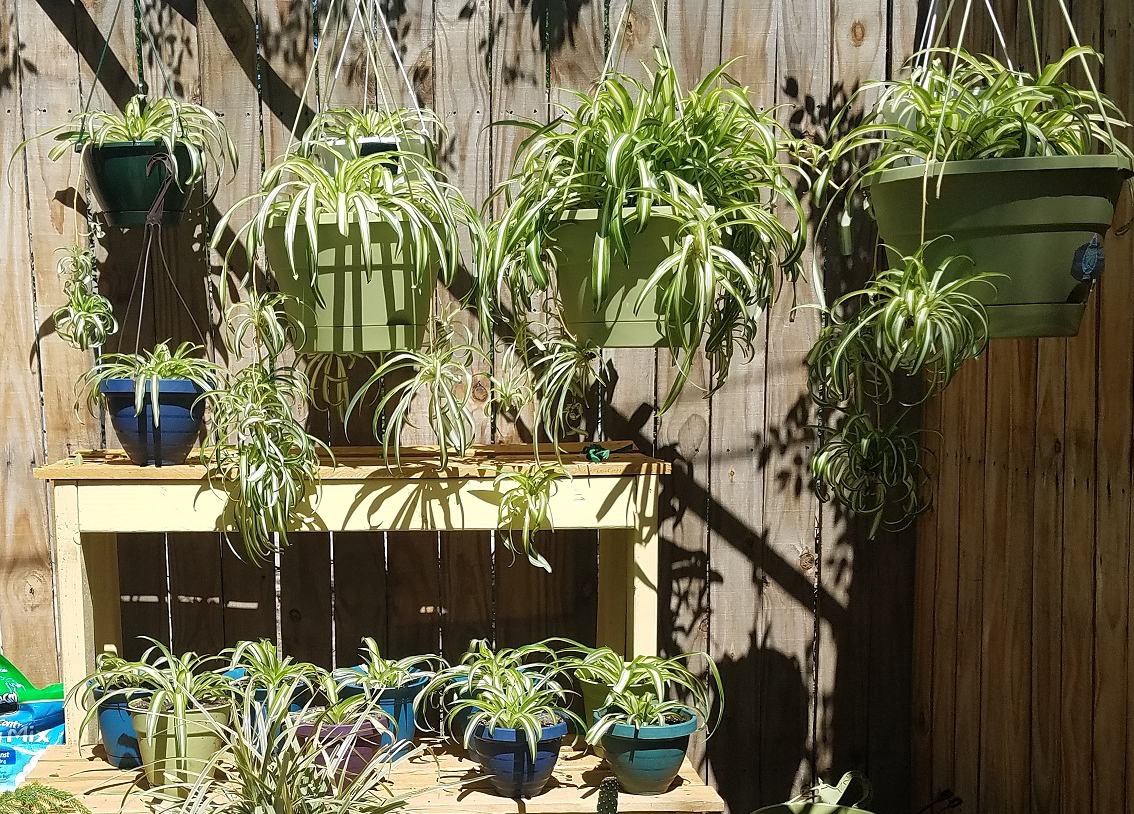
Placement plays a major role in how well spider plants grow outdoors. The goal is to provide bright light while avoiding intense sun exposure.
Ideal spots include:
These locations allow spider plants to receive consistent light without being exposed to the harshest conditions of the day.
Seasonal Light Changes to Watch For
Outdoor light conditions change throughout the year, and spider plants respond to those shifts.
In summer:
- Sunlight is stronger and more intense
- Plants may need more protection from direct sun
In spring and fall:
- Light is softer and more balanced
- Growth conditions are often ideal
In cooler months:
- Growth slows down
- Light levels may decrease
Adjusting your plant’s position slightly with the seasons can help maintain consistent, healthy growth.
Final Thoughts on Outdoor Light for Spider Plants
Getting outdoor light right for spider plants doesn’t have to be complicated, but it does make a big difference in how your plants look and grow. The key is finding that balance—giving them enough light to stay full and vibrant while protecting them from harsh, direct sun that can cause damage. In most cases, bright indirect light or partial shade will give the best results, especially during the hotter months.
From experience, even small adjustments—like moving a plant a few feet or adding something simple like a shade cover—can noticeably improve growth and overall health. Paying attention to how your spider plants respond to their environment will always be the best guide. When the light is right, spider plants grow stronger, produce more offshoots, and maintain their color much more easily outdoors.