7 Reasons Your Spider Plant Doesn’t Look Like This (And How to Fix It)
How to Grow a Bigger, Fuller Spider Plant
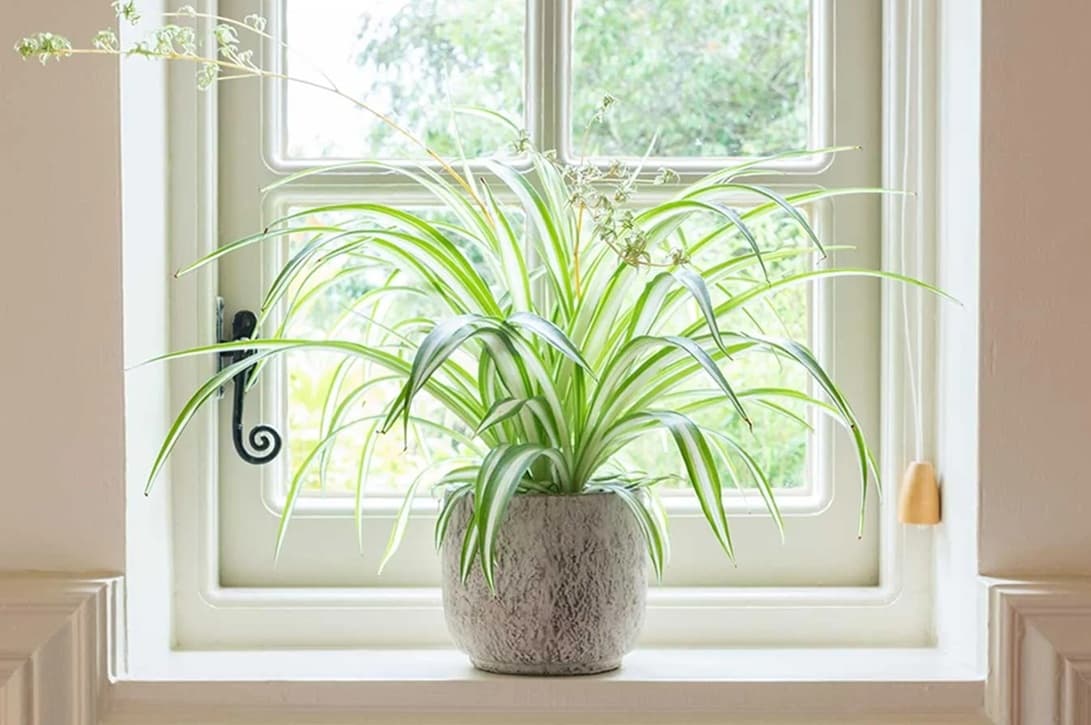
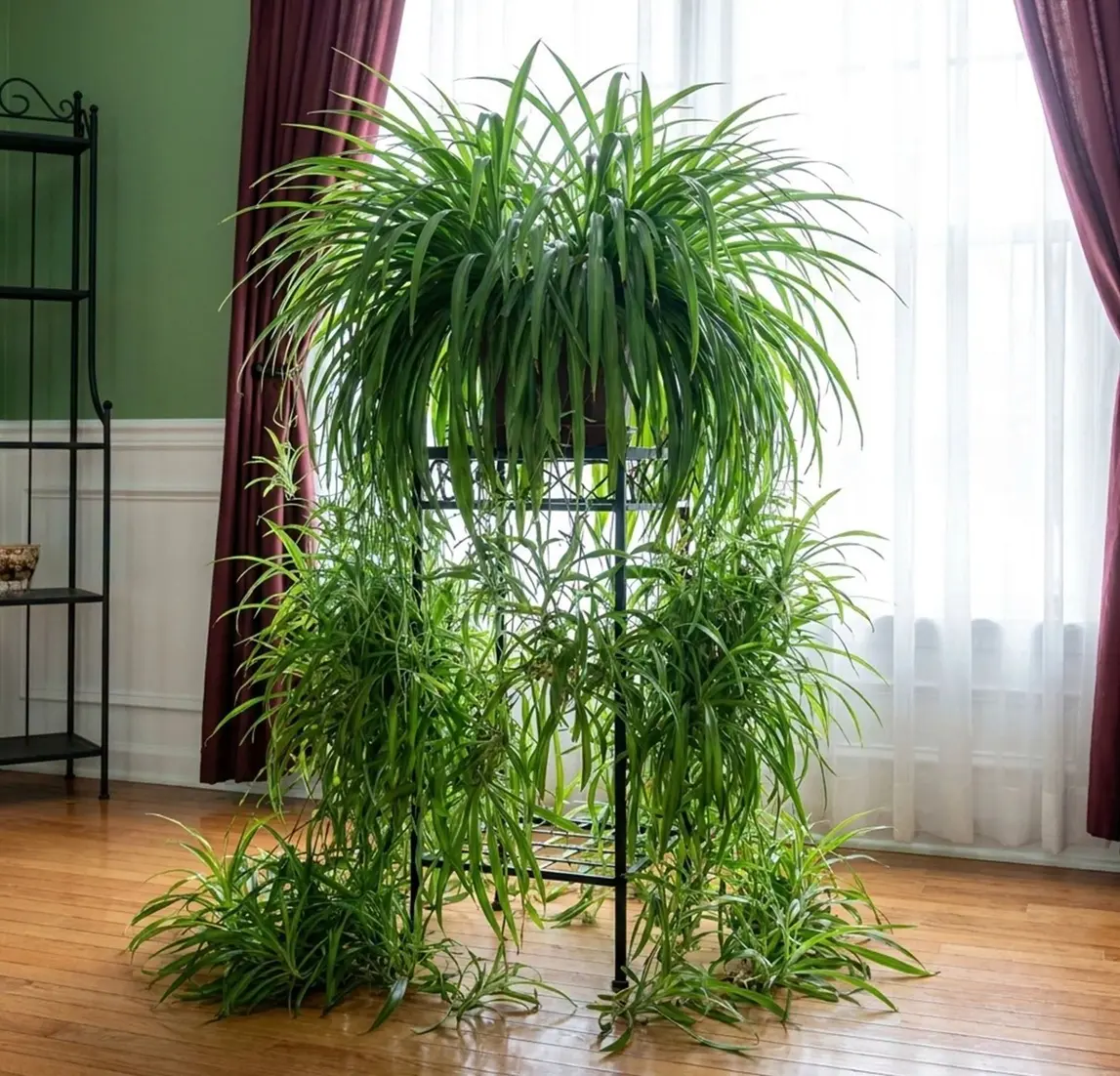
Wondering how to make your spider plant bushier? If you’ve ever looked at a giant, bushy spider plant overflowing with long cascading leaves and dozens of babies and thought, “Why doesn’t mine look like that?”… you’re not alone.
Almost every day someone asks me why their spider plant isn’t growing, why it isn’t producing babies, or how some spider plants become enormous while others stay small. The truth is, there isn’t a miracle fertilizer, soil, container, light source, or a secret trick that creates a huge, healthy spider plant.
Instead, it always comes down to understanding what spider plants actually need and avoiding a handful of common spider plant mistakes.
So, if you’ve ever wondered how to grow a bigger spider plant with long arching leaves, healthy roots, and plenty of cascading bushy spider plant babies, here are seven reasons why your spider plant may not reach its full potential, mistakes to avoid, and exactly how to fix them.
1. You’re Giving It Too Much Love
This may sound strange, but one of the biggest reasons spider plants struggle is because their owners simply do too much. Spider plants are incredibly resilient and actually prefer a little neglect. Constantly watering, repotting, moving them from room to room, trimming healthy leaves, or trying every new plant hack you see online only creates unnecessary stress. Spider plants thrive on consistency. Give them bright, indirect light, water thoroughly when appropriate, and then let them be. Some of the healthiest spider plants I’ve ever grown were the ones I simply allowed to do what nature intended without hovering over them every day.
2. You’re Using a Pot That’s Too Big
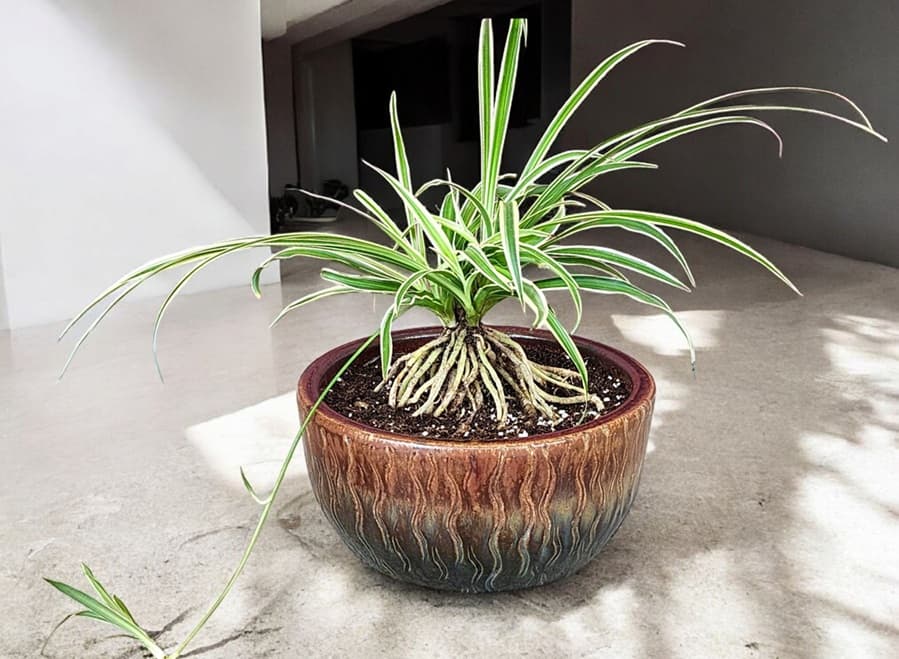
One of the biggest reasons a spider plant won’t grow bigger and bushier is being planted in a pot that’s too large. This is probably the most common mistake I see. People assume that if they give their spider plant a much larger pot, it’ll grow into it faster. Unfortunately, the opposite often happens. Oversized pots hold excess moisture for much longer than spider plants like, increasing the risk of root rot while slowing growth. Spider plants actually enjoy being slightly snug in their containers. Those thick, white tuberous roots act as water reservoirs, allowing them to tolerate drying out between waterings. Instead of jumping several pot sizes, only increase the pot diameter by one or two inches when it’s truly time to repot. Your spider plant will reward you with healthier roots and stronger growth.
3. You’re Watering on a Schedule Instead of Watching the Plant
One of the worst habits a plant owner can develop is watering every Saturday simply because it’s Saturday. Spider plants don’t own calendars. Spider plant’s watering needs change with the seasons, humidity, temperature, light levels, and even the size of their pot. During summer, they may dry out much faster than they do in winter. Rather than following a fixed schedule, learn to observe your plant. Check the soil, feel the weight of the pot, and pay attention to the leaves. Water when the plant actually needs it—not when the calendar tells you it’s time.
4. You’re Chasing More Sun Instead of Better Light
Getting the light right is one of the biggest secrets to growing a large, healthy spider plant. Spider plants love bright conditions, but they don’t love harsh afternoon sunshine beating directly on their leaves for hours. Many people assume more sun equals faster growth, but excessive direct sunlight often leads to faded variegation, scorched leaves, and crispy brown tips. The happiest spider plants grow in bright, indirect light where they receive plenty of illumination without prolonged exposure to intense rays. Think of a bright room near a window rather than sitting directly in the hot afternoon sun. Finding that balance often makes a dramatic difference in both growth and appearance.
5. You’re Expecting Babies Too Soon
One of the biggest disappointments I hear is, “I’ve had my spider plant for six months and it still hasn’t made babies.” Here’s the truth: spider plants produce runners, flowers, and spider plant babies because they’re mature—not because they’re being forced to. A young plant needs time to establish a healthy root system and build enough energy before it begins reproducing. While proper lighting and care certainly help, patience plays an enormous role. Every mature spider plant you admire once started as a tiny plant with only a few leaves. Give it time, and nature will usually take care of the rest.
6. You Repot Every Time You See a Root
Seeing roots emerge from the drainage holes doesn’t automatically mean it’s time to repot immediately. Spider plants naturally develop dense root systems and often perform beautifully while slightly root-bound. In fact, many mature spider plants produce their best displays of flowers and babies when they’re comfortably snug. The key is recognizing the difference between a healthy root-bound spider plant and one whose potting mix has broken down into a compacted mass that no longer drains properly. If the soil is still healthy and the plant is thriving, there’s often no rush to move it into a larger home.
7. You Expect Years of Growth to Happen in Months
If you’re trying to grow a giant spider plant, patience is the one thing you simply can’t skip. Perhaps the biggest misconception of all is believing that giant spider plants happen quickly. Every spectacular specimen you’ve admired took time. Lots of it. Years of healthy growth, proper watering, good lighting, occasional repotting, and simple consistency are what create those breathtaking plants that fill a room with cascading leaves and dozens of babies. There are no shortcuts. No miracle fertilizer. No secret ingredient hidden in a bottle. Just good care repeated over and over again. In a world where we expect instant results, spider plants remind us that some of the best things in life simply can’t be rushed.
The Secret To Growing Big Spider Plants with Bushy Cascading Babies
The Secret Isn’t Really a Secret
If you’ve made one—or even all—of these spider plant mistakes, don’t worry. Almost every experienced plant grower has. The good news is that spider plants are forgiving. They’re incredibly resilient and often bounce back beautifully once their basic needs are met.
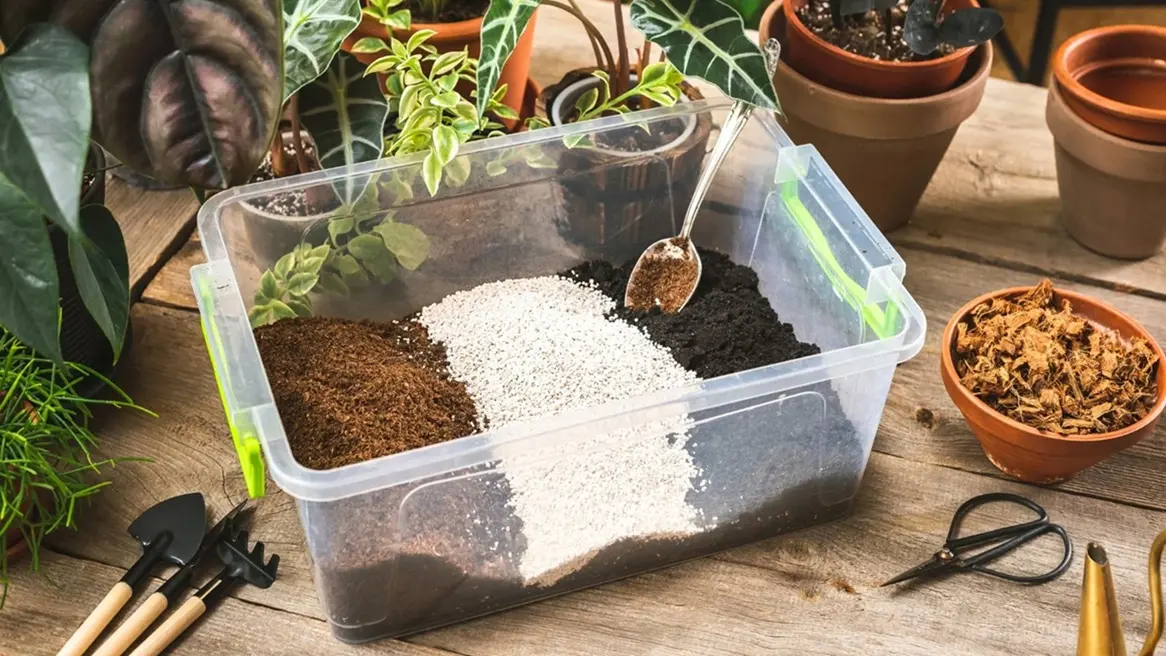
So instead of searching for the next miracle product or viral plant hack, focus on the fundamentals: bright indirect light, a well-draining potting mix, watering when needed rather than on a schedule, avoiding oversized pots, and most importantly… patience.
One day you’ll glance across the room and realize your once tiny spider plant has become the lush, cascading centerpiece you’ve always admired.
And trust me—that wait is worth it.