Best Pot Types for Spider Plants (What Works & What to Avoid)
Choosing the Right Pot for Spider Plants
How Pot Size, Shape, and Material Affect Growth
Choosing the right pot is just as important as choosing the right soil when it comes to growing healthy spider plants. While these plants are known for being easy to care for, the type of pot you use can directly affect drainage, root health, and overall growth.
Spider plants develop thick, fast-growing roots that need enough space while still drying out at a steady rate between waterings. The wrong pot can lead to issues like soggy soil, root rot, or slow growth, even if everything else is done correctly. In this guide, we’ll break down the best pot types for spider plants, what to look for, and what to avoid so your plant can thrive long-term.
Is there a particular pot for spider plants that works better than others?
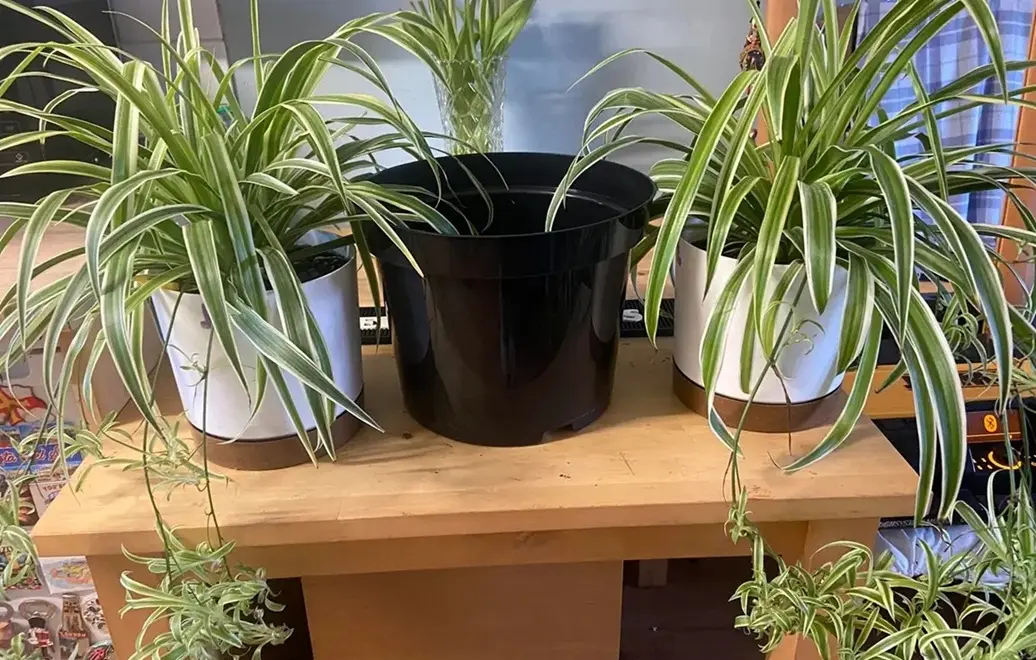
YES! The best pot for a spider plant is a 6-to-10-inch container with ample drainage holes, as they prefer to be slightly root-bound and dislike standing in soggy soil. Plastic or ceramic pots are ideal for retaining moderate moisture, while terracotta offers better aeration but dries out faster.
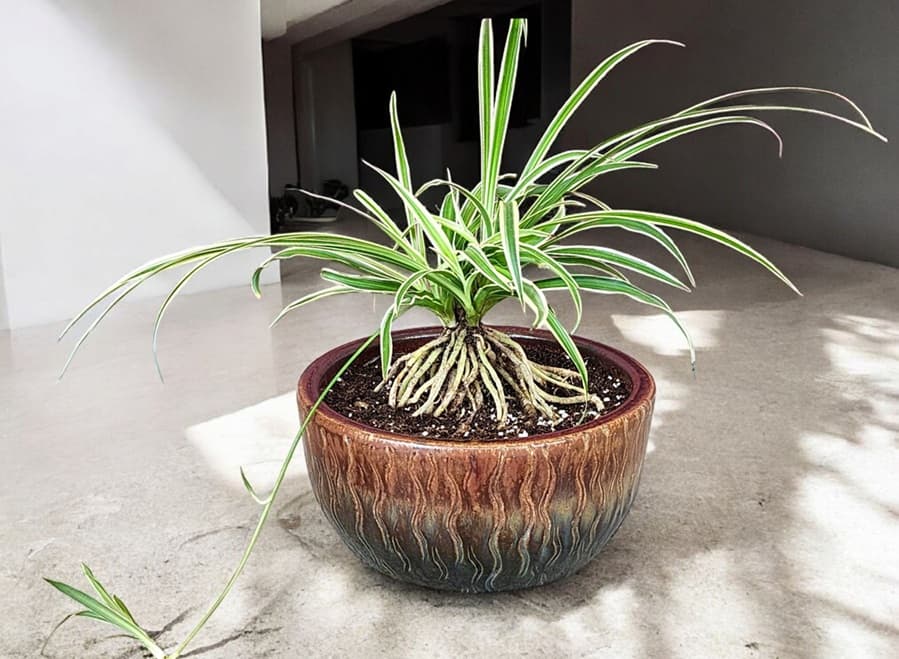
Due to their sprawling root system, shallow or wide pots are better than deep, tall ones as they allow for better expansion and prevent soil from staying wet too long.
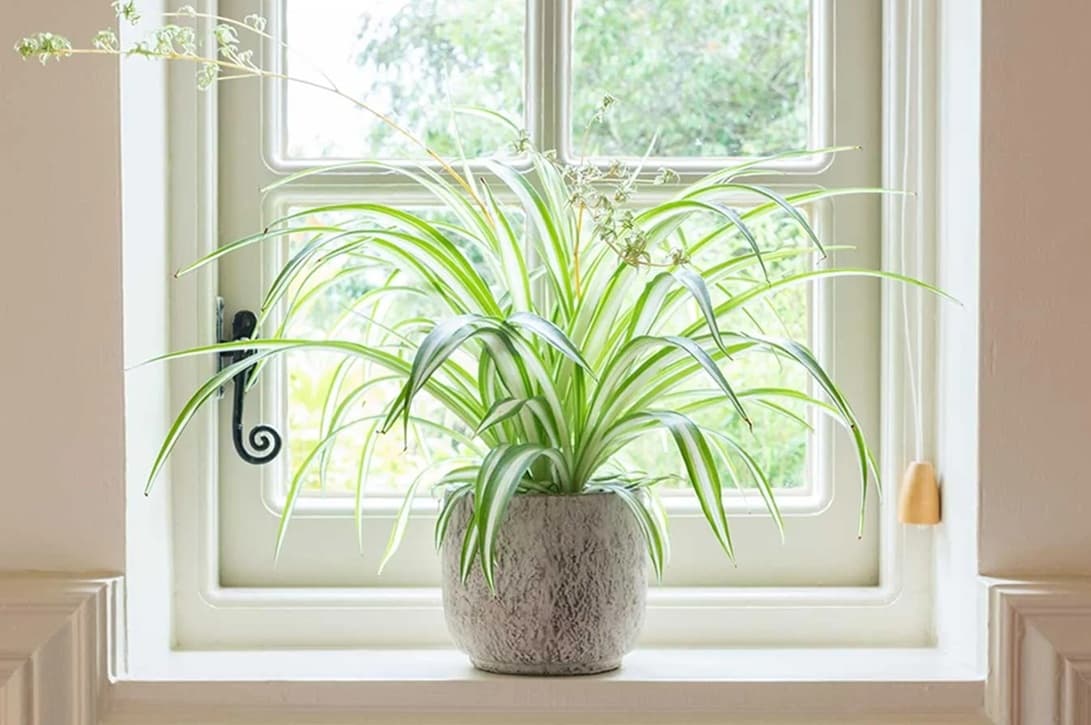
Indoor Spider Plant Pots
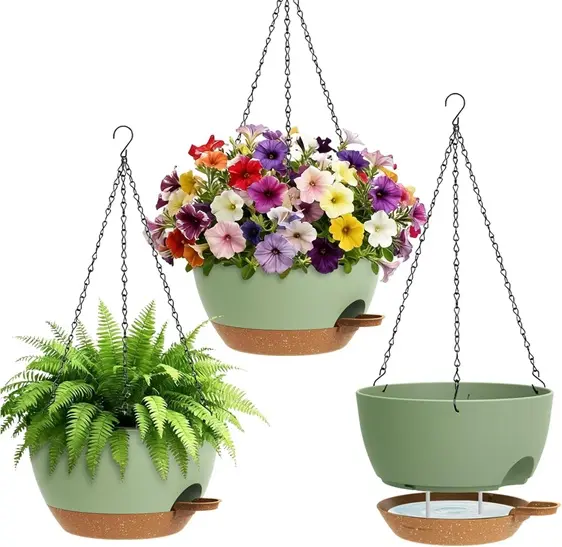
Best Hanging Pots for Spider Plants
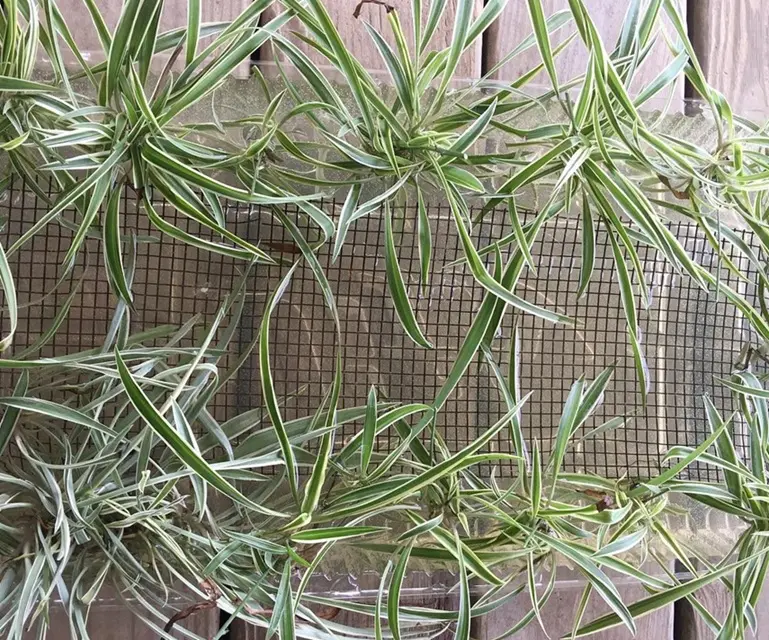
Hanging pots like this are an excellent choice for spider plants, especially as they mature and begin producing trailing babies. The elevated design allows the plant’s natural growth pattern to show while improving airflow around the leaves. Pots with built-in drainage trays are particularly useful because they help prevent water from collecting at the bottom, reducing the risk of root rot while still keeping watering simple and mess-free.
Spider plants (Chlorophytum comosum) thrive in pots with excellent drainage, preferring well-draining soil and a tight fit to reduce waterlogging. Essential care includes bright, indirect light, consistent moisture, and occasional repotting of their fast-growing, fleshy roots to prevent pot breaking. They are ideal for hanging baskets.
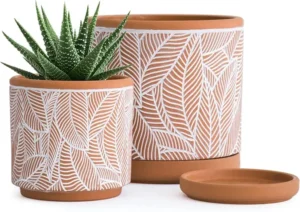
Ideal Pot Type For Baby Spider Plants: Terracotta spider plant pots or breathable ceramic pots help prevent overwatering by letting excess moisture escape, though plastic is fine if you are careful with watering
Best spider plant pots indoor
Key Features That Make a Pot Ideal for Spider Plants:
Best Outdoor Spider Plant Pots and Containers
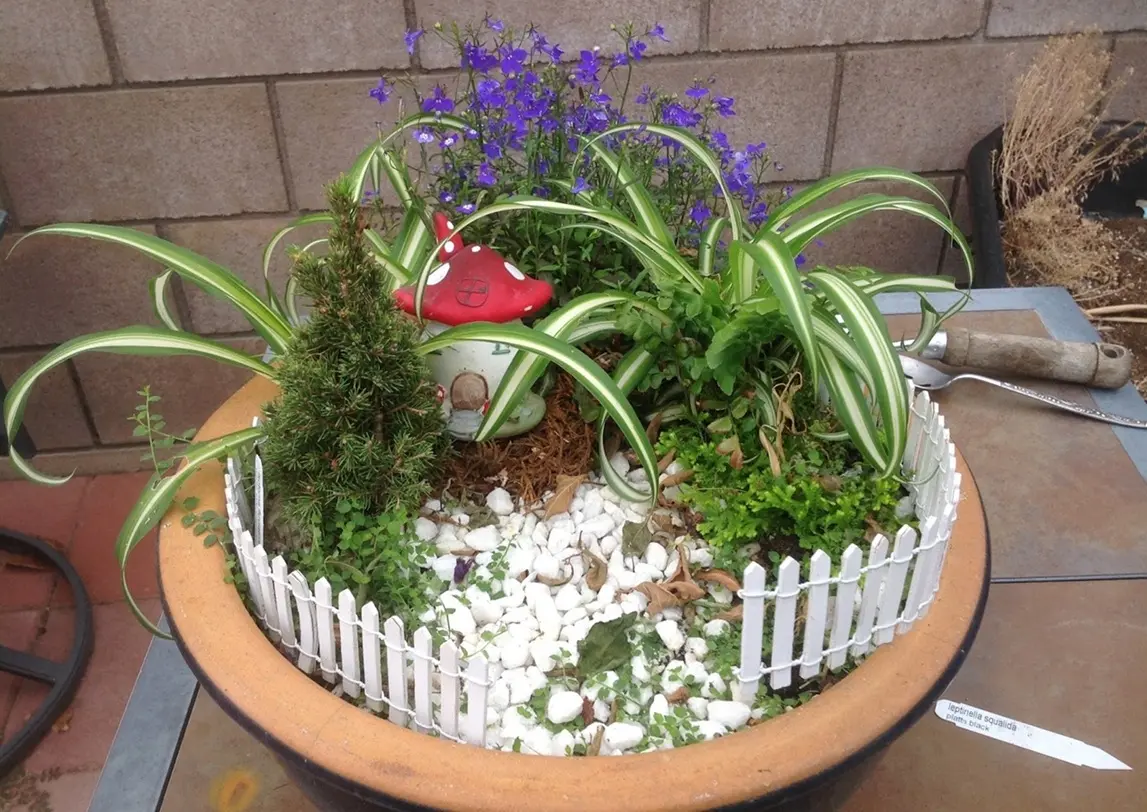
When growing spider plants outdoors, choosing the right pot is even more important than it is indoors. Outdoor spider plant pots should have excellent drainage to prevent water from sitting in the soil after rain or heavy watering.
Materials like terracotta and unglazed ceramic are great choices because they allow excess moisture to evaporate, helping protect the roots from rot. Plastic pots can also work well outdoors, especially in hotter climates, since they retain moisture longer and prevent the soil from drying out too quickly.
Outdoor Spider Plant Pots
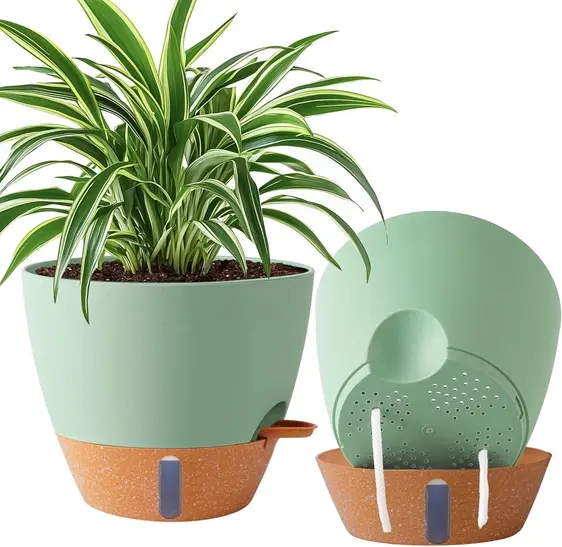
Best Pots for Spider Plants Outdoors
It’s best to choose a pot that’s slightly wider rather than deep, giving the roots room to spread while keeping the soil from staying overly wet at the bottom. For the healthiest growth, always use pots with drainage holes and consider elevating them slightly to improve airflow and water runoff.
Choosing the Best Pot for Long-Term Spider Plant Health
Best Pot Types
Due to their sprawling root system, shallow or wide pots are better than deep, tall ones as they allow for better expansion and prevent soil from staying wet too long.
Repotting Needs
Spider plants have thick roots that grow rapidly, often requiring repotting or division every 1–2 years when they become too root-bound or threaten to break their container.
Drainage and Drainage Materials
To enhance drainage, place a thin layer of orchid bark or peat moss at the bottom of the pot.
Soil Type
Use a high-quality potting mix formulated for tropical plants, or ensure a standard potting mix is light and well-draining.
Light Requirements
Place in bright, indirect light, such as near a window, but avoid direct sun to prevent leaf burn.
Watering Strategies
Water when the top half of the soil is dry, particularly in spring/summer. They prefer consistency, but overwatering causes root rot. Use filtered or distilled water if tap water causes browning tips.