Why Is My Spider Plant Turning Yellow? 5 Possible Causes
Why Is My Spider Plant Turning Yellow? Let’s Find Out! 🌱
Yellow Leaves, Brown Tips, and a Spider Plant That Needs Help
Spider plants are famous for being easygoing houseplants, but even these tough little beauties can run into trouble!
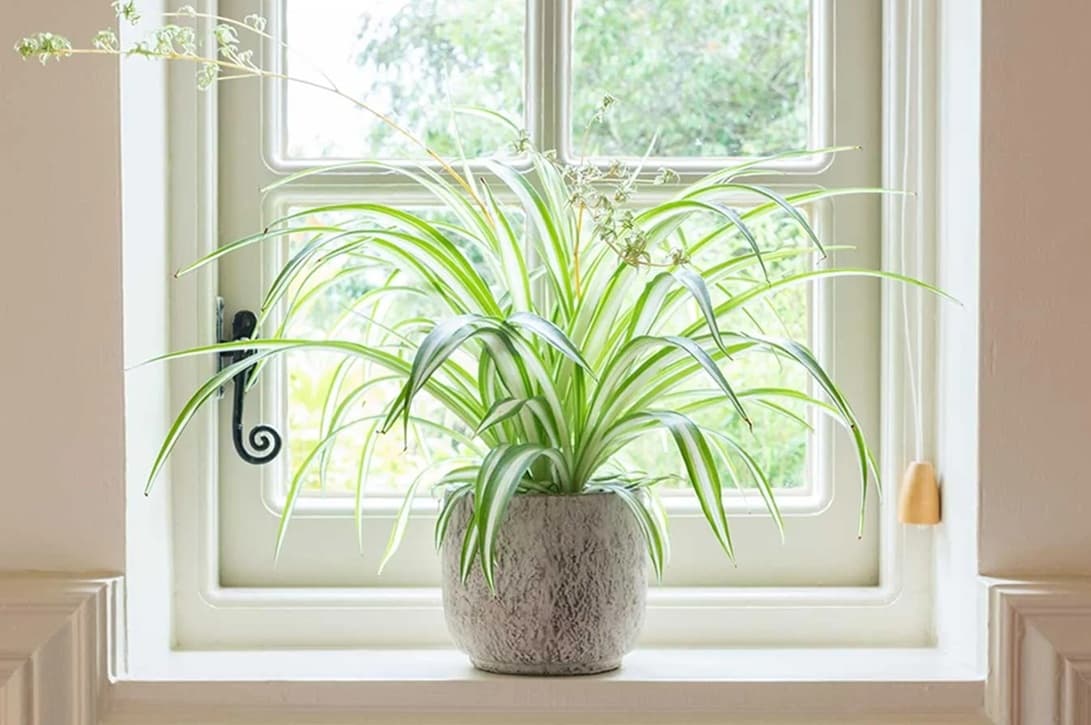
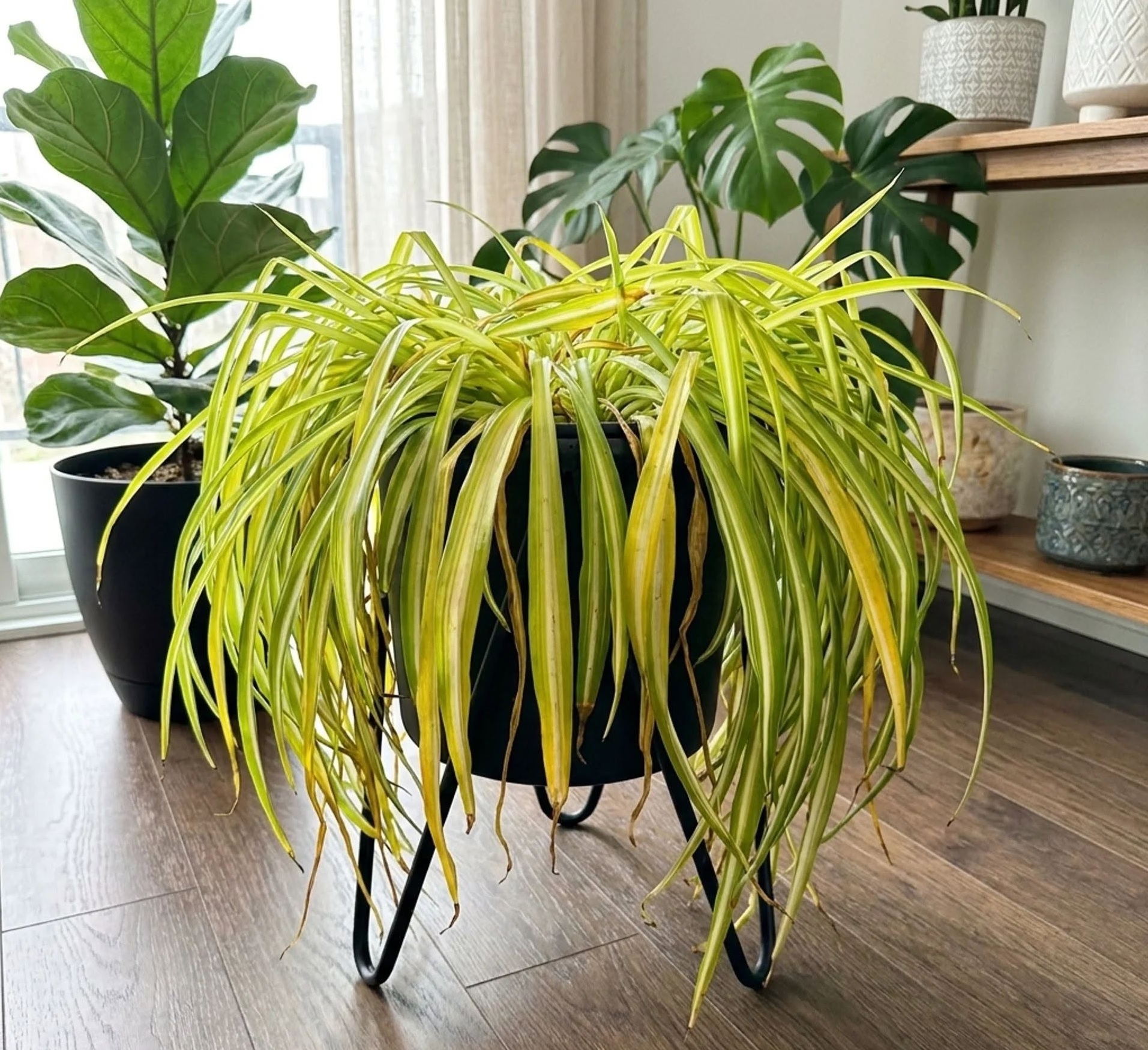
Take a look at the yellow spider plant in this photo.
It’s big, full, and has plenty of leaves, but something isn’t quite right. Much of its foliage has turned yellow, and several leaves have brown, dried-out tips.
So, what happened?
The truth is, yellow leaves can have several different causes. Let’s look at five possibilities.
1. Too Much Water
Overwatering is one of the most common reasons spider plant leaves turn yellow.
When soil stays wet for too long, roots can struggle to get enough oxygen. Over time, this can damage the root system and cause yellowing foliage.
What to check: Feel the soil a couple of inches down. If it’s constantly soggy, check that the pot has drainage holes and the soil drains properly.
2. Not Enough Water
Yes, underwatering can cause yellow leaves, too!
Spider plants have thick, fleshy roots that store water, but they aren’t completely drought-proof.
When a spider plant goes too long without water, its leaves may become limp, develop brown tips, and eventually turn yellow.
What to check: If the soil is extremely dry and the pot feels unusually light, your spider plant may need a thorough watering.
3. Too Much Direct Sunlight
Spider plants love bright, indirect light.
However, prolonged exposure to intense direct sunlight can stress their foliage, causing bleaching, yellowing, or brown patches.
What to check: Is your spider plant sitting in a window where it receives strong afternoon sun? Try moving it somewhere with bright, filtered light.
4. Root Problems
Sometimes the real trouble is hiding beneath the soil.
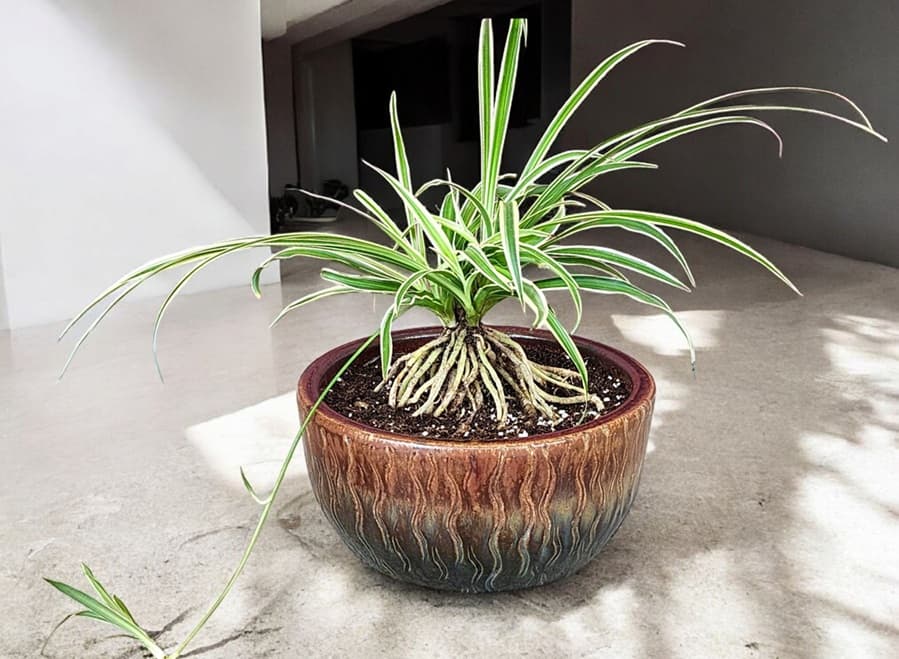
Spider plants develop thick, tuberous roots, and it’s perfectly normal for them to fill their pots.
But when a plant becomes severely rootbound, water may have difficulty reaching the entire root system. Damaged or rotting roots can also interfere with water and nutrient uptake.
What to check: If watering seems normal but the plant continues declining, gently inspect the roots.
Healthy spider plant roots should feel firm. Soft, mushy, or foul-smelling roots can indicate rot.
5. Fertilizer or Mineral Buildup
Too much fertilizer or accumulated minerals in potting soil can damage spider plant roots and contribute to yellow leaves and brown tips.
Spider plants can be sensitive to excess salts, including those that build up from fertilizer and some water sources.
What to check: Look for crusty deposits on the soil surface or around the pot. If buildup is suspected, flushing the soil with low-mineral water may help, provided the pot drains freely.
Can Yellow Spider Plant Leaves Turn Green Again?
Unfortunately, leaves that have completely yellowed generally won’t return to their original green color.
However, that doesn’t mean your spider plant is doomed!
Once you’ve identified and corrected the underlying problem, healthy new growth can replace the damaged foliage.
You can trim away completely yellow or dead leaves using clean scissors, but avoid removing too much healthy foliage at once.
Final Thoughts About Spider Plants Turning Yellow
If your spider plant leaves are turning yellow, don’t immediately reach for the watering can or a bag of fertilizer.
Start by checking the soil moisture, drainage, lighting, and root health.
The leaves are telling you something is wrong. The trick is figuring out what! 🌱💚