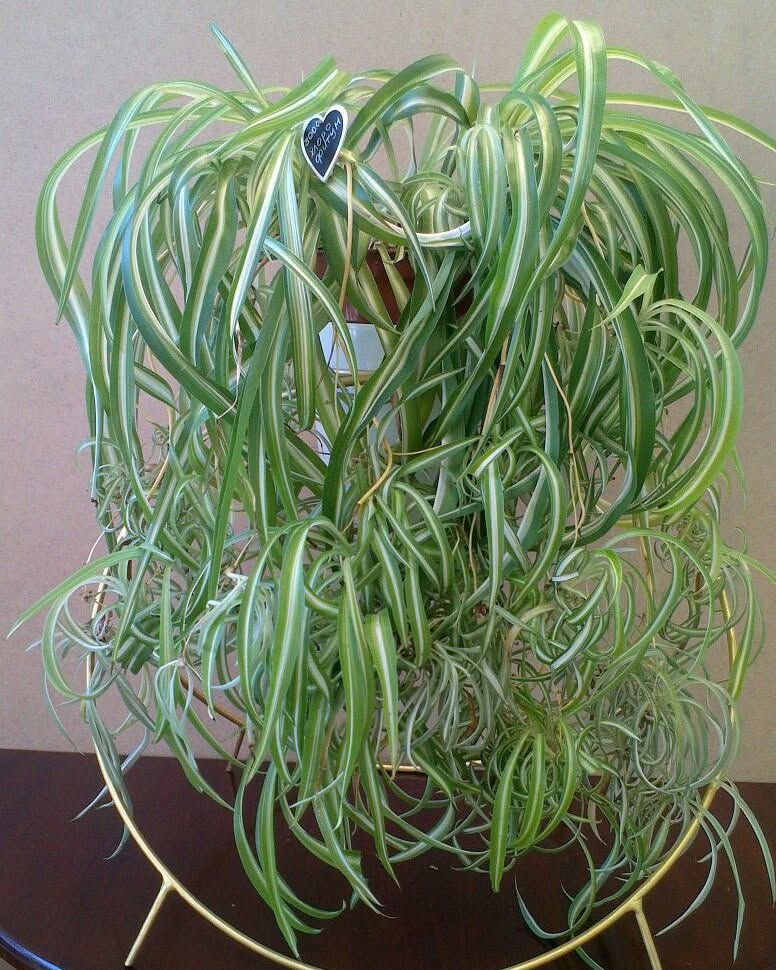
Bonnie Curly Spider Plant Light Requirements: How Much Light Does It Need?
The Right Lighting for Healthy, Vibrant Bonnie Curly Spider Plants
How Insufficient Light Can Cause Faded Leaves, Loose Curls, and Leggy Growth
Is your Bonnie Curly Spider Plant losing its curls, growing longer leaves, or looking faded and a little less vibrant than it used to? The amount of light it’s receiving might have something to do with it!
Bonnie Curly Spider Plants (Chlorophytum comosum ‘Bonnie’) are loved for their beautiful, twisting leaves, compact growth, and cascading spider plant babies. But while they’re relatively easy to care for, getting their lighting right can make a noticeable difference in how they grow.
One thing I’ve noticed with my own curly spider plants is that they tend to look their best when they receive plenty of bright, indirect light. When the days get shorter, especially during fall and winter, I pay extra attention to their lighting and bring out my grow lights.
Let’s talk about how much light your Bonnie Curly Spider Plant actually needs, what happens when it doesn’t get enough, and how to keep those gorgeous curls looking their best!
How Much Light Does a Bonnie Curly Spider Plant Need?
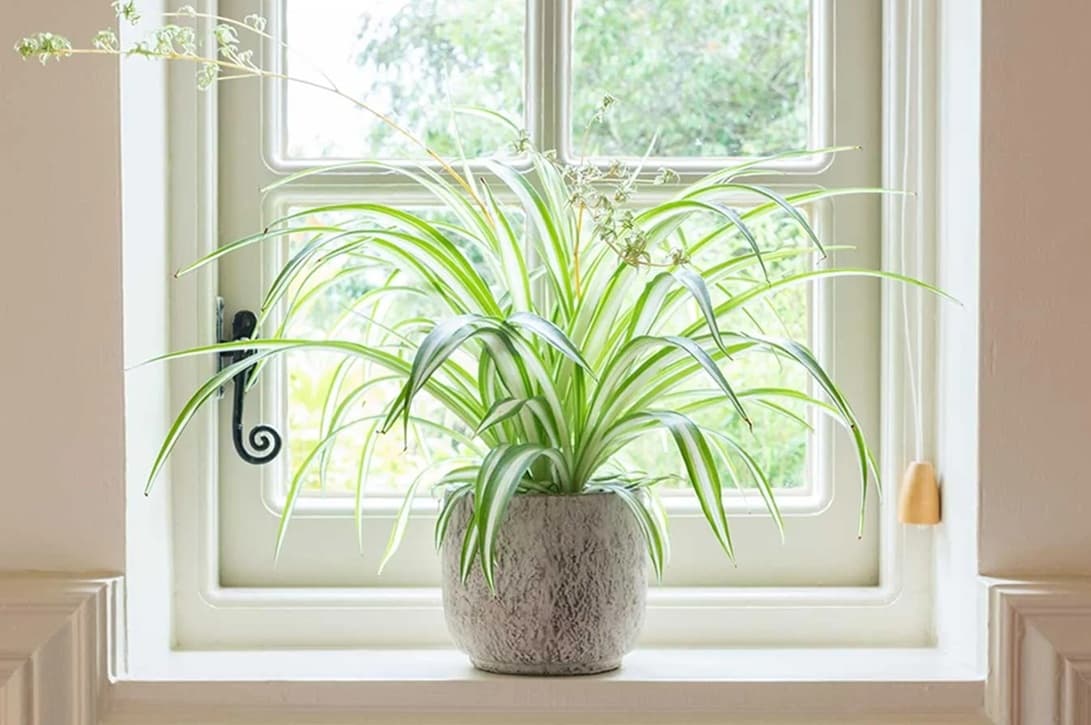
Bonnie Curly Spider Plants grow best in bright, indirect light.
That means they enjoy a well-lit location without being exposed to harsh, direct afternoon sunlight for extended periods.
Although spider plants are often described as low-light houseplants, there’s an important difference between a plant that can survive in lower light and one that will truly thrive.
A Bonnie Curly Spider Plant may tolerate lower lighting conditions, but its growth can become slower and less compact.
For the healthiest growth, I recommend:
Bright, indirect sunlight: The ideal lighting condition for most Bonnie Curly Spider Plants.
Gentle morning sunlight: Usually well tolerated when introduced gradually.
Filtered afternoon sunlight: A good option near bright windows.
Grow lights: Especially helpful during fall and winter when natural daylight decreases.
You don’t need to put your Bonnie in direct sunlight all day to keep it happy. In fact, too much intense sunlight can cause problems of its own.
The goal is to provide consistent, adequate light without scorching the leaves.
Can Too Little Light Cause a Bonnie Curly Spider Plant to Lose Its Curls?
This is one of the questions I see most often from people growing curly spider plants.
Why is my Bonnie Curly Spider Plant growing straight leaves instead of curly ones?
One of the first things I look at is how much light the plant receives.
In my experience, Bonnie Curly Spider Plants grown in brighter conditions often maintain a more compact appearance with tighter curls.
When lighting becomes insufficient, you may notice that newer leaves start growing longer, with looser curls or a straighter appearance.
However, it’s important to understand that lighting isn’t the only factor affecting leaf shape.
The degree of curling can also vary depending on the individual plant, its genetics, leaf maturity, and growing conditions.
Not every straight leaf means your Bonnie needs more light.
But if your plant previously produced tight curls and suddenly starts growing noticeably longer, straighter leaves, checking its lighting is a good place to start.
For a more detailed explanation of the possible causes, read my related article:
Why Is My Bonnie Spider Plant Losing Its Curl?
Signs Your Bonnie Curly Spider Plant Isn’t Getting Enough Light
Spider plants don’t always make their lighting problems immediately obvious.
Sometimes the changes happen gradually, especially as the seasons change.
Here are a few things worth watching for.
1. Longer, Straighter Leaves
One of the most noticeable changes can be new leaves that appear longer and less tightly curled than previous growth.
A Bonnie that once had a compact, curly appearance may begin looking more stretched out.
While this doesn’t automatically mean insufficient light is the cause, it’s worth evaluating the plant’s location.
2. Slower Growth
Light provides the energy plants need for photosynthesis.
When your Bonnie isn’t receiving enough light, its growth may slow considerably.
You might notice fewer new leaves or longer periods between new growth.
This is particularly common during the shorter days of fall and winter.
3. Less Vibrant Foliage
Bonnie Curly Spider Plants are known for their attractive green-and-white variegated leaves.
In lower light, new foliage may sometimes appear greener or less distinctly variegated.
However, changes in leaf color can also result from natural variation, aging, watering problems, or other growing conditions.
Fading color alone isn’t enough to diagnose a lighting problem.
4. Reduced Flowering and Baby Production
One of the best things about growing spider plants is watching them produce those long runners filled with flowers and babies!
But producing flowers and plantlets requires energy.
If your Bonnie isn’t receiving adequate light, it may produce fewer runners, flowers, or spider plant babies.
Keep in mind that maturity, temperature, root development, seasonal changes, and overall plant health also influence reproduction.
A healthy spider plant that isn’t producing babies doesn’t necessarily have a lighting problem.
What Is the Best Window for a Bonnie Curly Spider Plant?
Window placement can make a big difference in how much light your plant receives.
Here’s how I approach the different exposures.
East-Facing Windows
An east-facing window is often an excellent choice.
These windows generally provide gentle morning sunlight followed by indirect light later in the day.
Many Bonnie Curly Spider Plants do very well in this type of location.
South-Facing Windows
South-facing windows can provide plenty of light, particularly during winter.
However, depending on your location and the time of year, direct sunlight may become too intense.
Try placing your Bonnie a short distance from the window or using a sheer curtain to filter strong sunlight.
Watch for signs of leaf scorching.
West-Facing Windows
West-facing windows receive stronger afternoon sunlight.
Your Bonnie may appreciate the brightness, but direct afternoon sun can sometimes be too harsh.
Filtered light or a little distance from the glass can help protect the foliage.
North-Facing Windows
North-facing windows generally provide less direct sunlight in the Northern Hemisphere.
Some Bonnie Curly Spider Plants may grow reasonably well in a bright north-facing window, but others may need supplemental lighting.
If your plant begins stretching or growth slows significantly, a grow light may help.
Remember: Window direction is only part of the equation. Nearby trees, buildings, window coverings, seasonal changes, and distance from the glass all affect how much usable light reaches your plant.
Can Bonnie Curly Spider Plants Get Too Much Sunlight?
Absolutely!
While adequate light is important, that doesn’t mean more direct sunlight is always better.
Bonnie Curly Spider Plants can develop damaged foliage when exposed to intense sunlight, particularly if they’re suddenly moved from a shaded location into direct sun.
Possible signs of excessive sunlight include:
- Bleached or faded-looking patches on leaves
- Dry, brown, or crispy areas
- Scorched foliage
- Leaves drying out more quickly than usual
Keep in mind that brown leaf tips can also be caused by other issues, including watering inconsistencies and mineral or salt buildup.
If you suspect excessive sunlight, move your plant into bright, filtered light and monitor the new growth.
Leaves that have already been scorched won’t turn green again, but healthier new foliage can develop once conditions improve.
Using Grow Lights for Bonnie Curly Spider Plants
This is one of my favorite ways to help my curly spider plants through the darker months!
As fall approaches and the days become shorter, I start thinking about which plants will need additional lighting.
And my Bonnie Curly Spider Plants are definitely on that list. 😂🌱
I use grow lights to supplement the natural light they receive, particularly when daylight hours become noticeably shorter.
What Kind of Grow Light Works Best?
A full-spectrum LED grow light is a practical option for indoor spider plants.
Full-spectrum LEDs are widely available, energy-efficient, and can provide useful light for houseplants.
You don’t need an elaborate growing setup.
A suitable LED grow bulb, a small grow-light fixture, or an adjustable plant light may be enough for a single Bonnie.
The important factors are the amount of light reaching the foliage, the distance from the fixture, and how long the light stays on.
How Long Should Grow Lights Stay On?
For a Bonnie Curly Spider Plant receiving supplemental artificial light, approximately 10–12 hours per day can be a reasonable starting point.
Some setups may require a longer or shorter lighting period depending on the intensity of the grow light and how much natural sunlight the plant already receives.
A simple outlet timer makes maintaining a consistent schedule much easier.
I recommend giving plants a regular period of darkness rather than leaving grow lights running 24 hours a day.
How Close Should Grow Lights Be?
That depends on the type and strength of the grow light.
Some LED grow lights can be positioned relatively close to the foliage, while more powerful fixtures need additional distance.
Always check the manufacturer’s recommendations.
If your Bonnie begins developing bleached patches, scorched areas, or unusually dry foliage, the light may be too intense or too close.
My advice: Start with the manufacturer’s recommended distance, observe your plant, and adjust gradually.
Do Bonnie Curly Spider Plants Need More Light During Fall and Winter?
In many homes, yes!
As daylight hours decrease, the amount of natural light reaching your indoor plants can change dramatically.
Even a Bonnie that was perfectly happy in a particular window during summer may receive considerably less light in November or December.
That’s why I pay special attention to my curlies when the seasons change.
A few things I recommend include:
- Move plants closer to a bright window. Just be careful of cold drafts and leaves touching freezing window glass.
- Clean your windows. It sounds simple, but dirty windows can reduce the amount of light entering your home.
- Rotate your plants. Turning the pot periodically can encourage more even growth.
- Consider supplemental grow lights. These are especially helpful in rooms that become noticeably darker during winter.
- Watch the new leaves. Changes in new growth can help you evaluate whether your lighting adjustments are working.
Also, remember that spider plants often grow more slowly during winter.
Slower growth by itself isn’t necessarily a problem.
Will Straight Bonnie Spider Plant Leaves Curl Again?
This is another question I hear frequently.
Unfortunately, leaves that have already developed long and relatively straight generally won’t suddenly transform into tightly curled leaves just because you increase the light.
Some leaves may change their position or curvature as they mature, but don’t expect existing straight foliage to completely reshape itself.
Instead, focus on the new growth.
If inadequate lighting contributed to the looser growth, improving the conditions may help future leaves develop a more compact, curly appearance.
Be patient!
Plants need time to adjust, and you may not notice significant changes immediately.
And remember, some variation in curliness is completely normal for Bonnie Curly Spider Plants.
Should You Move Your Bonnie Curly Spider Plant Outside for More Light?
Bonnie Curly Spider Plants can enjoy spending time outdoors during suitable weather.
However, moving a plant directly from indoor lighting into intense outdoor sunlight can damage its leaves.
If you decide to move your Bonnie outside, introduce it to brighter conditions gradually.
A sheltered location with bright shade or gentle morning sunlight is generally a good starting point.
Avoid harsh afternoon sunlight, especially during hot weather.
And don’t forget that spider plants are sensitive to cold temperatures.
Bring them indoors before temperatures become too chilly, and certainly before frost.
Final Thoughts: Give Your Bonnie Curly Spider Plant the Light It Needs
Bonnie Curly Spider Plants are beautiful, easygoing houseplants, but that doesn’t mean lighting should be an afterthought.
If your Bonnie starts producing longer, straighter leaves, its variegation looks less vibrant, or its growth seems unusually slow, take a closer look at how much light it’s receiving.
Bright, indirect light is one of the best foundations for growing a healthy Bonnie Curly Spider Plant.
And when the days get shorter, don’t be afraid to bring out those grow lights!
I’ve found that paying attention to seasonal lighting changes makes a real difference in keeping my curly spider plants looking their best.
Just remember that every Bonnie is a little different, and lighting isn’t the only thing that influences those gorgeous curls.