Reverse Variegated Spider Plant: Care, Growth & Beautiful Cascading Babies
The Beauty of the Reverse Variegated Spider Plant
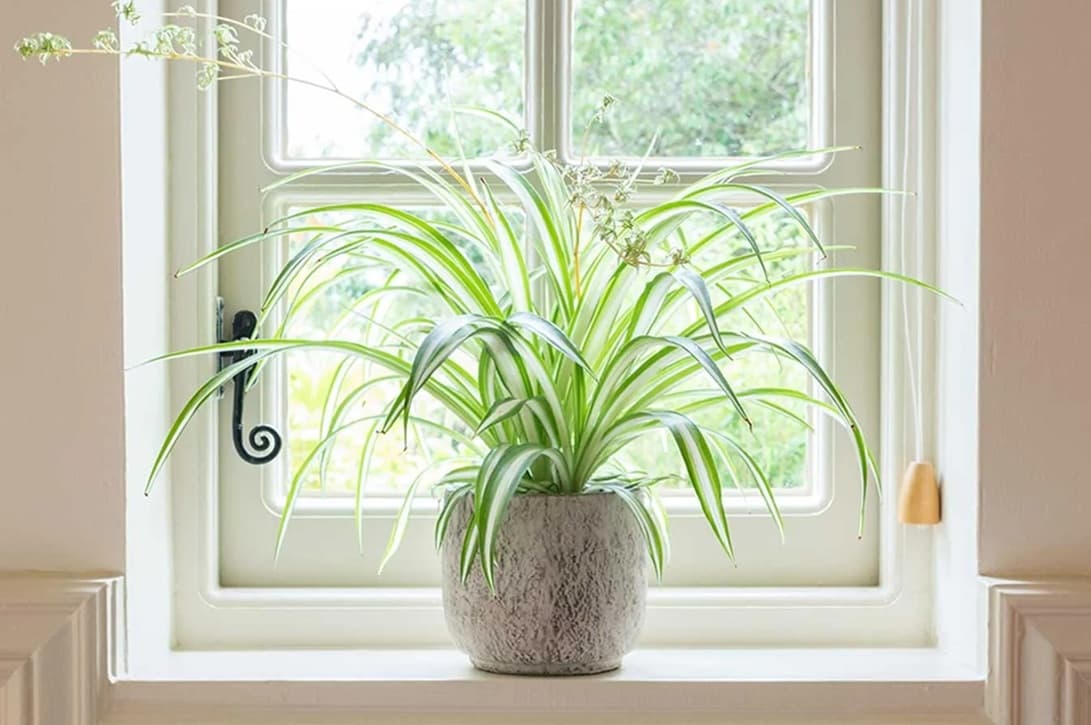
Green and Cream Striped Leaves with Cascading Spiderettes
If you love spider plants, the Reverse Variegated Spider Plant (Chlorophytum comosum ‘Variegatum’) deserves a spot in your collection! 🌿
With its beautiful green-centered leaves edged in creamy white, this variety offers a slightly different look from the more familiar spider plant with a white stripe running down the middle.
And when it matures? The display can be absolutely spectacular!
What Makes the Reverse Variegated Spider Plant Different?
The biggest difference is its leaf coloring.
The Reverse Variegated Spider Plant features green centers with white or creamy edges, while the popular Chlorophytum comosum ‘Vittatum’ has lighter centers with green edges.
Both varieties produce long, arching leaves and runners that can develop into baby spider plants, also called spiderettes.
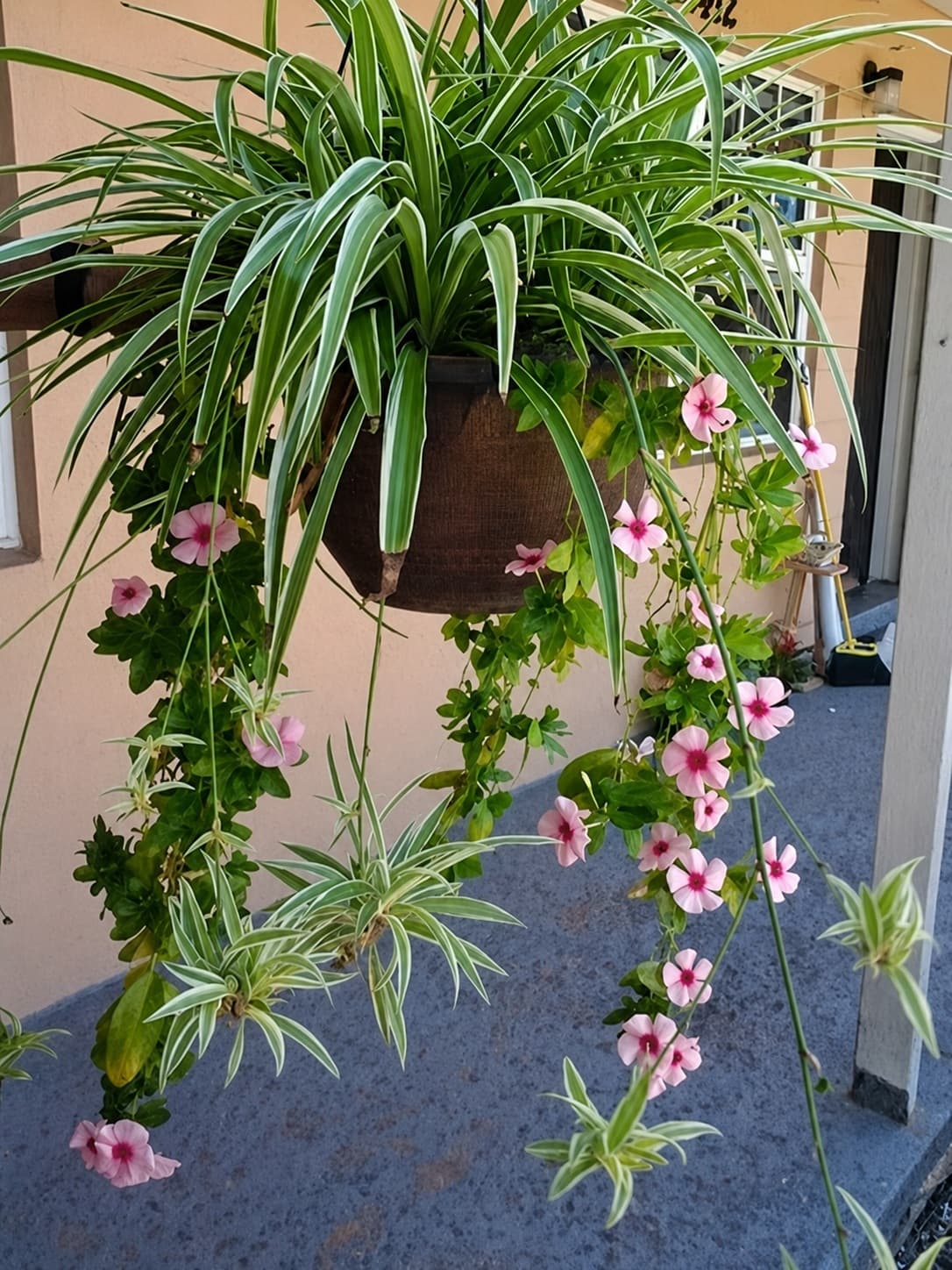
As those babies grow, they create beautiful cascading displays, making this variety especially attractive in hanging baskets and elevated planters.
How to Care for a Reverse Variegated Spider Plant
Fortunately, this variety is just as easy to care for as other spider plants!
☀️ Light: Bright, indirect light is ideal. A little gentle morning sun is usually fine, but harsh afternoon sunlight can scorch the leaves.
💧 Watering: Allow the upper portion of the potting mix to dry before watering again. Avoid keeping the soil constantly wet, and always use a pot with drainage holes.
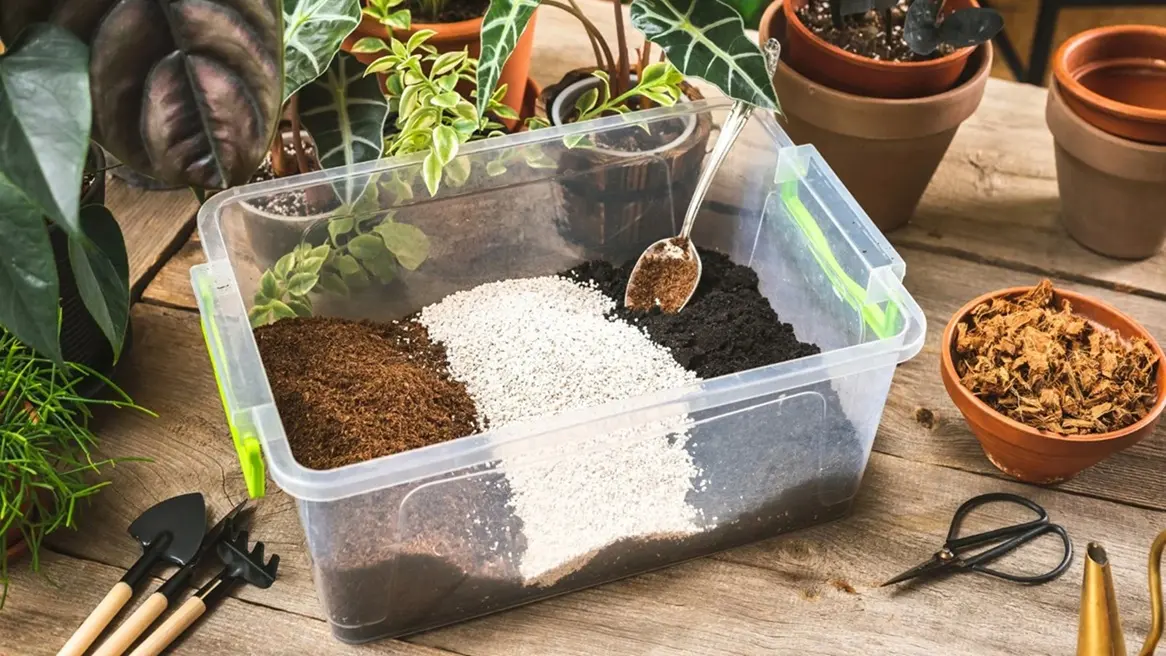
🪴 Soil: Use a loose, well-draining potting mix that allows excess water to escape while retaining some moisture.
🌡️ Temperature: Average indoor temperatures are generally comfortable. Keep your spider plant away from cold drafts and freezing temperatures.
🌱 Fertilizer: Feed lightly during the active growing season with a balanced houseplant fertilizer. Avoid overfertilizing, which can contribute to brown leaf tips.
Why Does My Reverse Variegated Spider Plant Have So Many Babies?
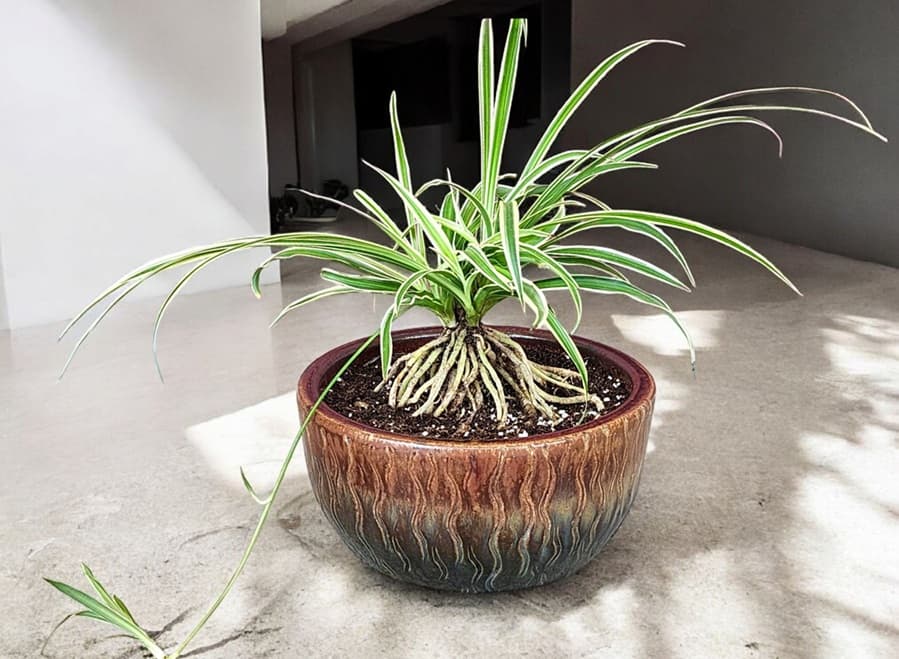
One of the most charming features of a mature spider plant is its ability to produce long runners with clusters of spiderettes.
These babies develop along flowering stems and can eventually grow roots of their own.
Healthy, mature spider plants growing under favorable conditions are more likely to produce runners and spiderettes, although flowering and baby production can vary with light, seasonal conditions, and plant maturity.
You can leave the babies attached for a gorgeous cascading appearance or propagate them to grow additional plants.
A Beautiful Addition to Any Spider Plant Collection
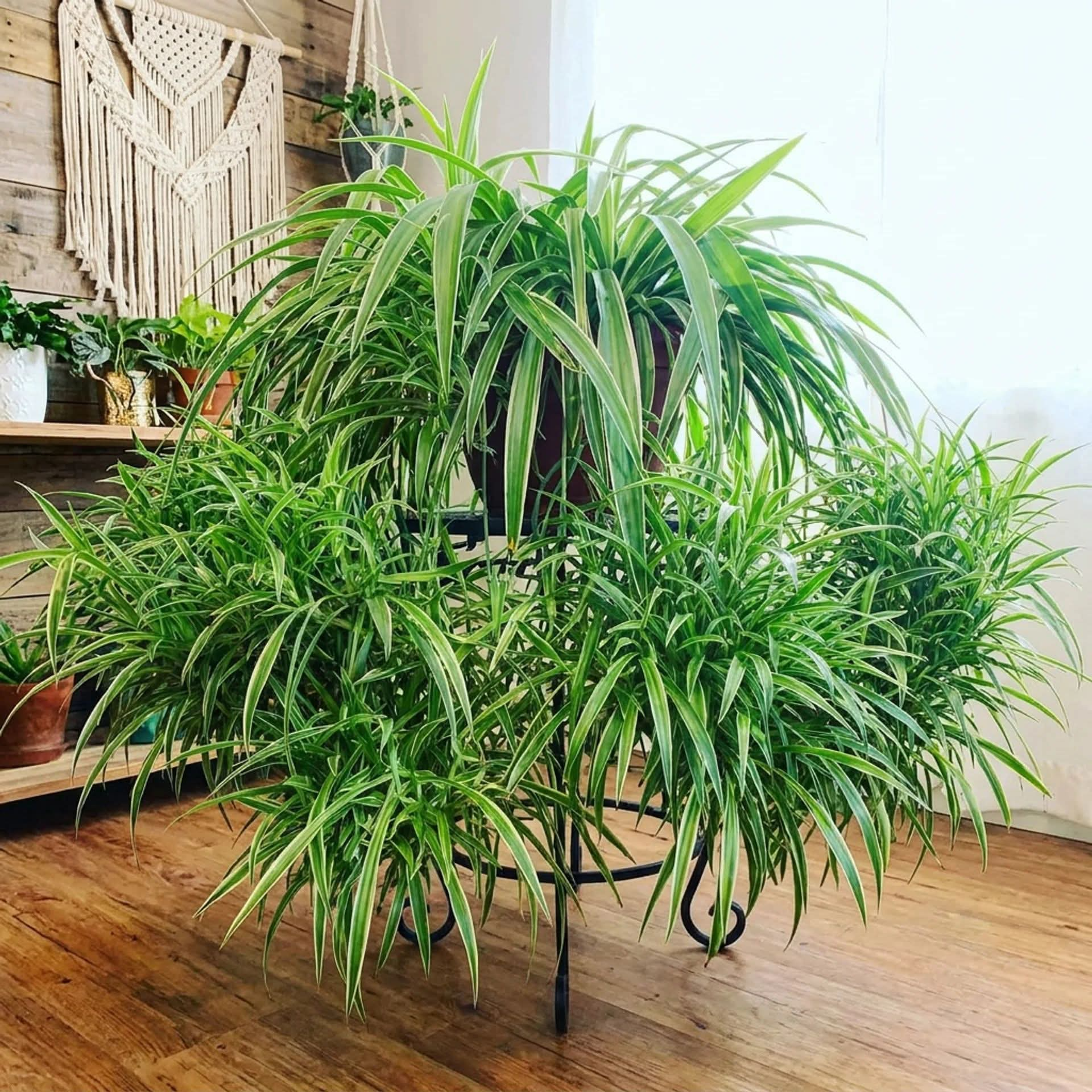
Whether displayed in a hanging basket, on a plant stand, or in a decorative pot, the Reverse Variegated Spider Plant makes a beautiful statement.
Its contrasting green and cream foliage is attractive on its own, but when those long runners fill with babies, it becomes a real showstopper!
And that’s part of what makes spider plants so much fun to grow. One plant can eventually become an entire collection! 💚🌿
Final Thoughts About Spider Reverse Variegated Plants
The Reverse Variegated Spider Plant (Chlorophytum comosum ‘Variegatum’) is a beautiful, easy-care houseplant that deserves a place in any spider plant collection.
Its green-centered leaves with creamy white edges make it stand out from other varieties, while its ability to produce long runners filled with spiderettes adds even more charm.
Whether you’re growing a young plant or enjoying a mature specimen overflowing with babies, this variety is a wonderful reminder of why spider plants remain such popular houseplants.
With the right light, watering routine, and well-draining soil, your Reverse Variegated Spider Plant can thrive for years.