10 Top Tips for Growing Healthy Spider Plants (Easy Care Guide)
Best Tips For Keeping Your Spider Plant Happy & Healthy
Growing healthy spider plants doesn’t require complicated care, but a few simple tips can make a big difference in how your plant looks and grows. Whether you’re growing spider plants indoors or outdoors, the right balance of watering, light, and soil can lead to stronger roots, fuller leaves, and faster growth. In this guide, you’ll discover practical tips that help spider plants thrive in almost any environment.
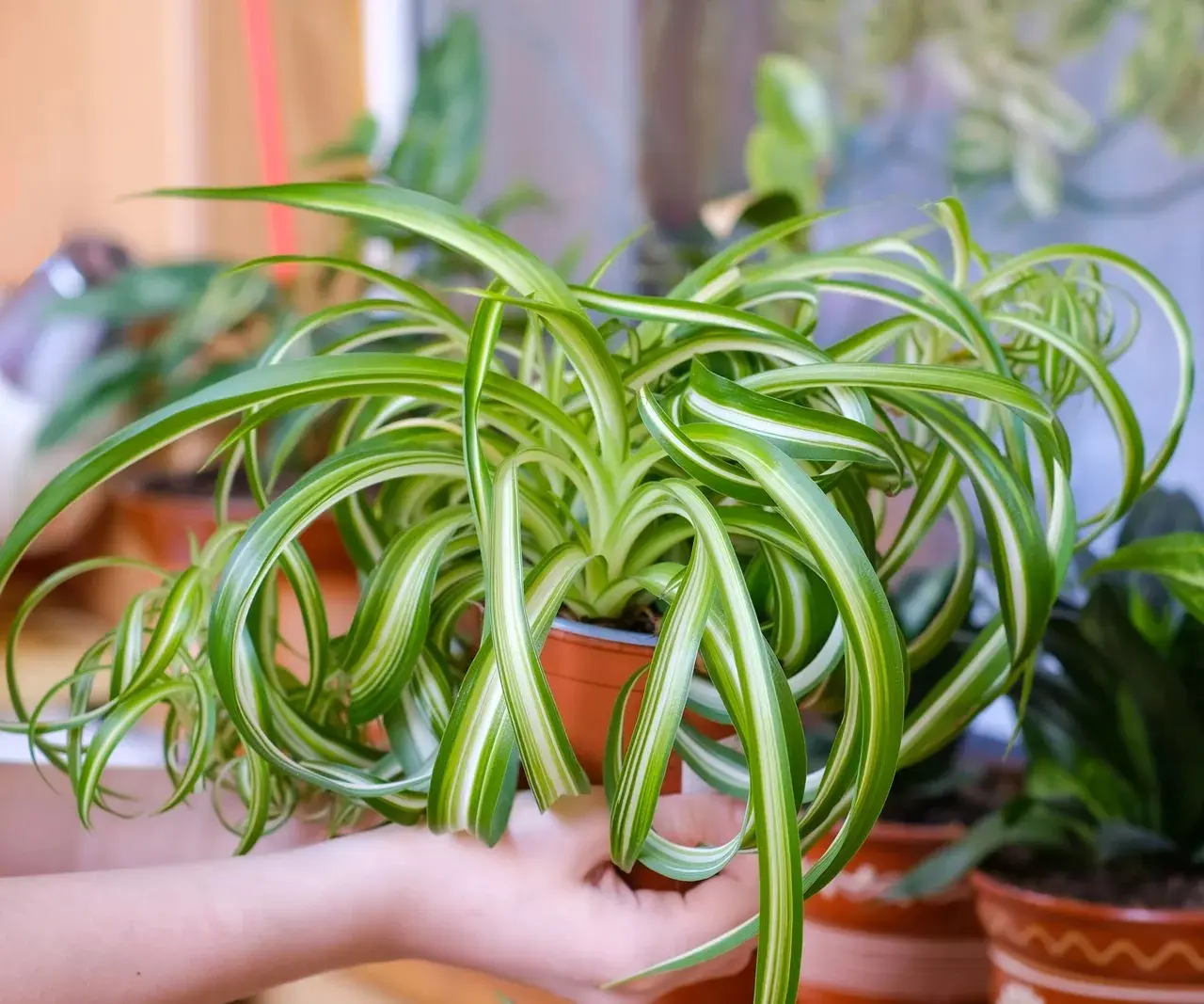
Spider plants (Chlorophytum comosum) are prized for being “unkillable” and excellent for air purification. To help yours thrive, focus on consistent lighting, avoiding fluoride in water, and use a good propagation method to grow more plants.
Spider plants thrive on bright, indirect light, consistent watering (allowing the top 1-2 inches of soil to dry out), and well-draining soil. Key tips include avoiding direct sun to prevent leaf scorch, using distilled water to prevent brown tips, and keeping them slightly root-bound in pots with good drainage.
Here are the top 10 tips for growing healthy spider plants:
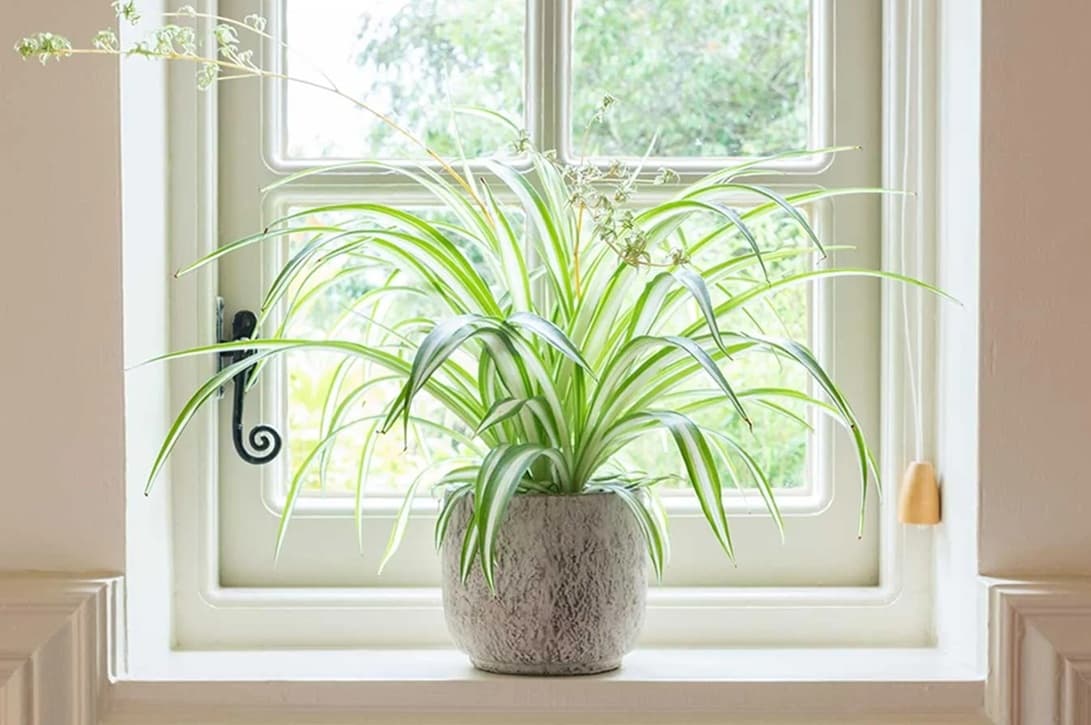
- Light: Provide bright, indirect light. East or north-facing windows are ideal, as direct, harsh sunlight can burn their leaves. If the leaves appear pale, they may need more light.
- Watering: Water consistently during spring and summer, but let the top 2 inches of soil dry out between waterings. Because of their thick tuberous roots, they are drought-tolerant, so it is safer to let them get too dry than too wet.
- Prevent Brown Tips: Brown tips are common due to tap water chemicals (fluoride, boron) or low humidity. Use distilled water, rainwater, or let tap water sit out for 24 hours.
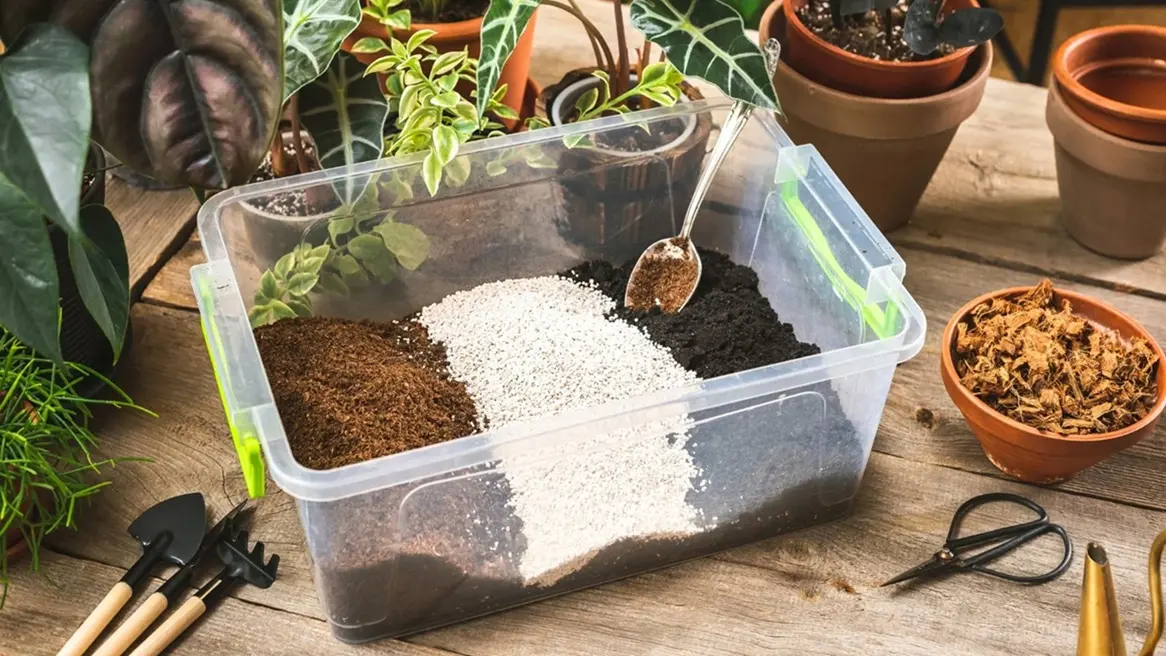
- Soil and Drainage: Use a well-draining potting mix, ideally incorporating perlite to increase aeration. Ensure the pot has drainage holes.
- Temperature & Humidity: Keep in temperatures between 60–80°F (18–27°C). They appreciate higher humidity, so misting or using a pebble tray helps in dry environments.
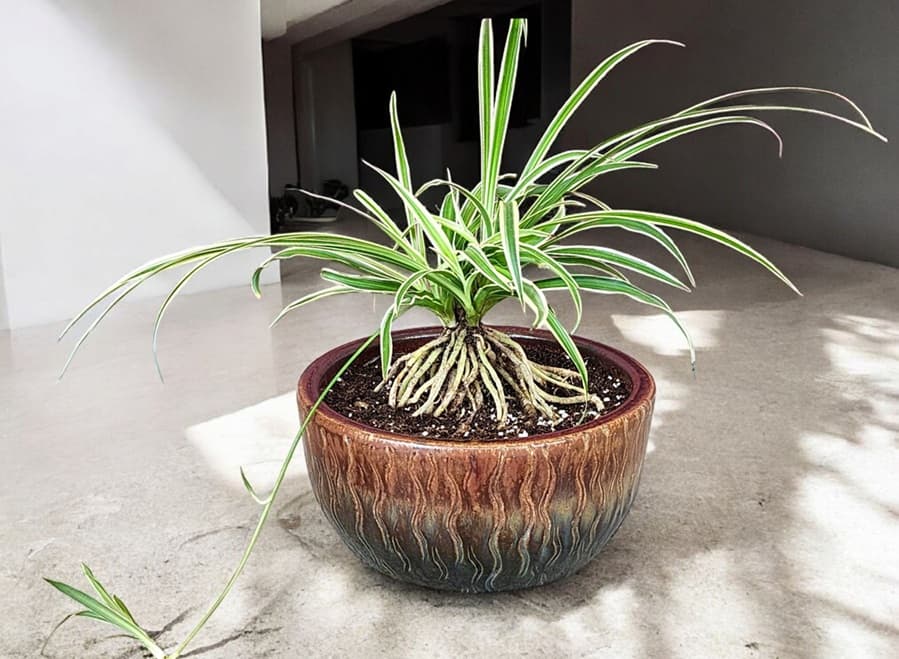
- Repotting and Soil: Repot every 1-2 years, but keep them slightly root-bound to encourage the production of “babies” (spiderettes/plantlets).
- Fertilizing: Feed sparingly with a balanced, half-strength fertilizer 2-3 times during the growing season (spring/summer).
- Cleaning: Periodically wipe leaves with a damp micro-fiber cloth to keep them free of dust. The leaves need to breathe too!
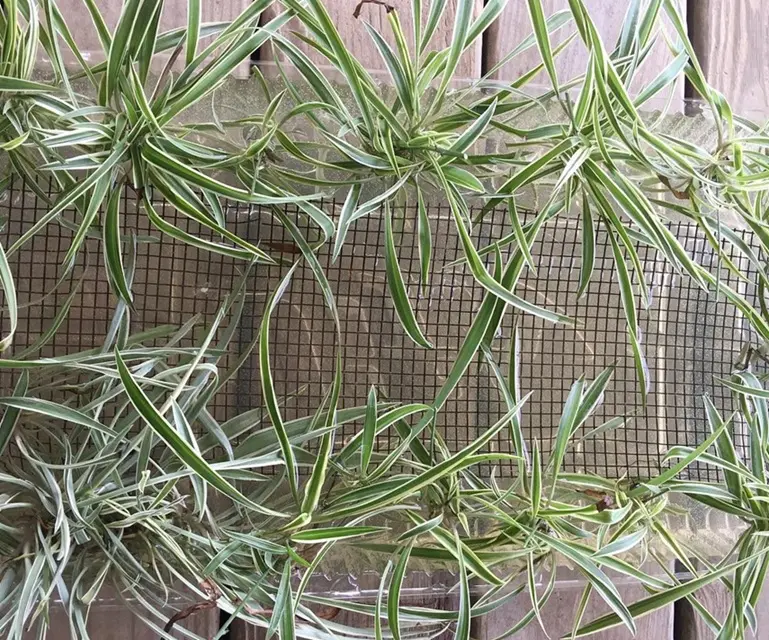
Propagation Secret: For faster propagation, pin the pups onto the soil of a separate pot with a paperclip to keep them stable while they take root
Essential Spider Plant Care Tips
Light: Provide bright, indirect sunlight for 4–6 hours daily. Direct afternoon sun will scorch and burn the leaves, while too little light leads to pale foliage and fewer “babies”.
Watering: Use the “soak and dry” method. Water thoroughly until it runs out the bottom, then wait until the top 1–2 inches of soil are dry before watering again.
Water Quality: If leaf tips turn brown, switch to rainwater or distilled water. Spider plants are sensitive to fluoride and chlorine in tap water, which causes salt buildup.
Humidity: While they adapt to home air, they prefer 40–60% humidity. Mist them occasionally or use a pebble tray during dry winter months.
Fertilizing: Feed with a balanced, half-strength liquid fertilizer monthly during spring and summer. Skip feeding in winter when growth slows.
How to Get More “Babies” (Spiderettes) from Your Spider Plants
Spider plants produce small offshoots that look like miniature versions of the parent. To encourage these:
Keep them slightly root-bound: They often produce more babies when their roots are snug in the pot.
Provide enough light: Insufficient light is a common reason they fail to produce spiderettes.
Propagate easily: Snip a baby that has small brown nubs (root nodes) at the bottom. You can root these in a glass of water for 2 weeks or plant them directly into moist soil.
Troubleshooting Common Problems
Common Problems & Fixes
Final Tips for Growing Healthy Spider Plants
Growing healthy spider plants comes down to getting the basics right and staying consistent with your care routine. With proper watering, the right amount of light, and well-draining soil, your spider plant can thrive in almost any environment. Small adjustments over time—like improving drainage or adjusting light exposure—can lead to fuller leaves, stronger roots, and steady growth. Stick with these simple tips, and you’ll enjoy vibrant, thriving spider plants that continue to grow and produce new babies year after year. Focus on consistency, and your spider plants will reward you with healthy growth and long-lasting beauty.