5 Essential Tips for Fertilizing Your Spider Plant the Right Way
How to Fertilize Spider Plants for Healthy Growth
Understanding the Basics of Feeding Spider Plants
Spider plants are known for being low-maintenance, but the right fertilizing routine can make a big difference in how full, vibrant, and productive they become. While they don’t need heavy feeding, giving them the proper nutrients during the growing season helps encourage strong root development, lush foliage, and more baby spider plants. The key is knowing when, how, and how much to fertilize—because too much can do more harm than good. In this guide, you’ll learn the most important tips to keep your spider plant healthy and thriving without overdoing it.
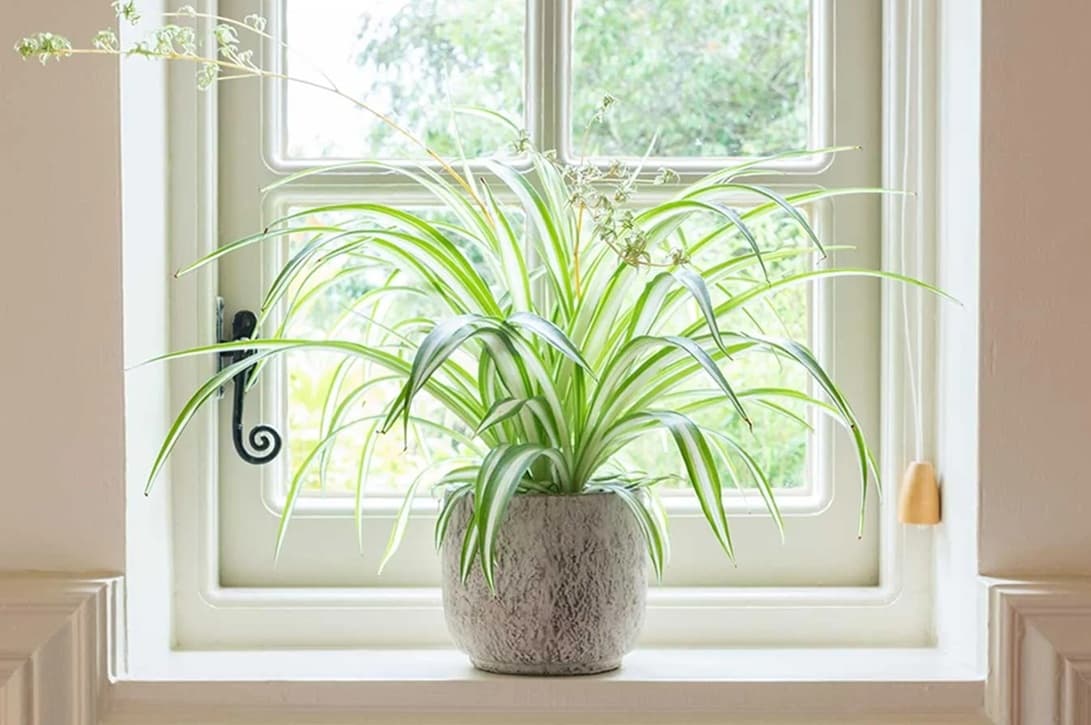
Spider plants are loved for their graceful arching leaves, trailing baby plants, and forgiving nature. They tolerate a range of indoor conditions and are an excellent choice for beginners or busy plant owners. But even easy-care plants need the right support to thrive. So, do spider plants need fertilizer? And if they do, what kind works best?
What is the best fertilizer for spider plants?
When it comes to feeding spider plants, less is more. Overfertilizing can lead to brown leaf tips and stressed roots, so it is best to fertilize lightly and consistently rather than heavily.
A balanced, all-purpose houseplant fertilizer works well. You can use either a water-soluble liquid fertilizer or a slow-release granular option.
Fertilize spider plants every 2–4 weeks during the active growing season (spring and summer) using a balanced, water-soluble, or liquid houseplant fertilizer.
For my spider plants and all of my plants that are not succulents or cacti, I personally use Shultz’s Liquid Plant Food which is a 10-15-10 formula, always diluted to 1/2 strength.
You can also safely use a 10-10-10 or 20-20-20 formula diluted to half-strength to prevent over-fertilizing. Avoid fertilizing in fall and winter when the plant is dormant.
5 Things To Know About Fertilizing Your Spider Plant
When NOT to Fertilize your Spider Plant
How to Fertilize Spider Plants
1. Choose the Right Fertilizer Type
Spider plants aren’t heavy feeders, but they do benefit from the right nutrients during active growth. A balanced liquid or water-soluble fertilizer (like 10-10-10 or 20-20-20) works best because it delivers nutrients quickly and evenly.
If you prefer a more natural approach, organic options like fish emulsion or seaweed extract are excellent choices. These not only feed your plant but can also improve soil health over time.
👉 The key: keep it balanced and avoid anything too high in nitrogen, which can cause excessive leafy growth but fewer babies.
2. Always Dilute Your Fertilizer
More fertilizer does NOT mean a healthier plant—this is one of the most common mistakes.
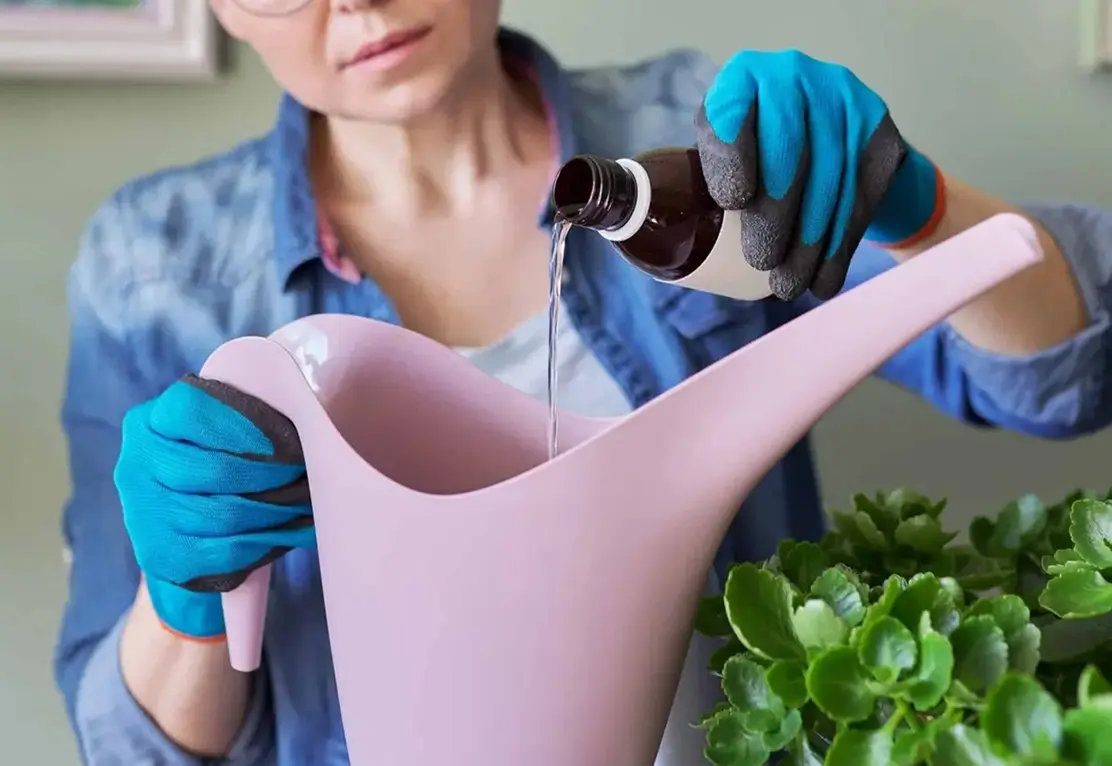
Spider plants are sensitive to salt buildup, so always dilute your fertilizer to half strength (or even weaker) than the package recommends. This helps prevent root burn and keeps nutrients at a safe, steady level.
👉 Think of it like this: light, consistent feeding is better than strong, occasional doses.
3. Apply Fertilizer the Right Way
How you apply fertilizer matters just as much as what you use.
Always apply fertilizer to moist soil, never dry soil. Feeding a dry plant can shock the roots and lead to damage. Pour the diluted fertilizer directly into the soil—not onto the leaves—to avoid leaf spotting or burn.
After feeding, a light watering helps distribute nutrients evenly throughout the root system.
👉 Consistency tip: fertilize every 2–4 weeks during spring and summer, and stop or reduce feeding in fall and winter.
4. Watch for Signs of Over-Fertilizing
Spider plants are great at telling you when something’s off.
The most common sign of too much fertilizer is brown leaf tips, which many people mistake for watering issues. Other signs include crusty buildup on the soil surface or slowed growth.
If this happens:
✔ Flush the soil thoroughly with water to remove excess salts
✔ Cut back on feeding frequency
✔ Consider switching to a gentler fertilizer
👉 When in doubt, feed less—not more.
5. Feed at the Best Time for Maximum Absorption
Timing plays a bigger role than most people realize.
The best time to fertilize your spider plant is in the morning, when the plant is actively taking in water and nutrients. This allows for better absorption and reduces stress.
Avoid fertilizing late in the day or at night, when growth slows and nutrients may sit in the soil longer than needed.
👉 Also, only fertilize during the growing season—spring and summer are when your plant will actually use those nutrients.
Final Thoughts on Fertilizing Your Spider Plant
Fertilizing your spider plant doesn’t have to be complicated—in fact, less is often more. By choosing the right fertilizer, diluting it properly, and applying it during the active growing season, you can support healthy growth without risking damage. Paying attention to your plant’s signals, like leaf color and tip browning, will help you adjust your routine and avoid common mistakes.
With a simple, balanced approach, your spider plant will reward you with lush foliage and plenty of babies over time. Just remember: consistent care and moderation are the real keys to long-term success 🌱