Should You Mist Spider Plants? Pros, Cons & Better Humidity Tips
Why Misting Spider Plants May Not Work the Way You Think
Should you be misting your spider plants?
Spider plants are known for being low-maintenance houseplants, but one care tip continues to spark debate among indoor gardeners: should you mist them? Many plant owners mist spider plants hoping to increase humidity, prevent brown leaf tips, and keep the foliage healthy.
While misting may seem like a simple solution, it often does not work the way people expect. In fact, frequent misting can sometimes create more problems than benefits, including fungal issues, bacterial diseases, and excess moisture sitting on the leaves. In this guide, we’ll break down the real pros and cons of misting spider plants, explain when misting may help, and share better ways to increase humidity for healthier, happier plants indoors.
Misting Spider Plants 🌿 Does It Actually Help?
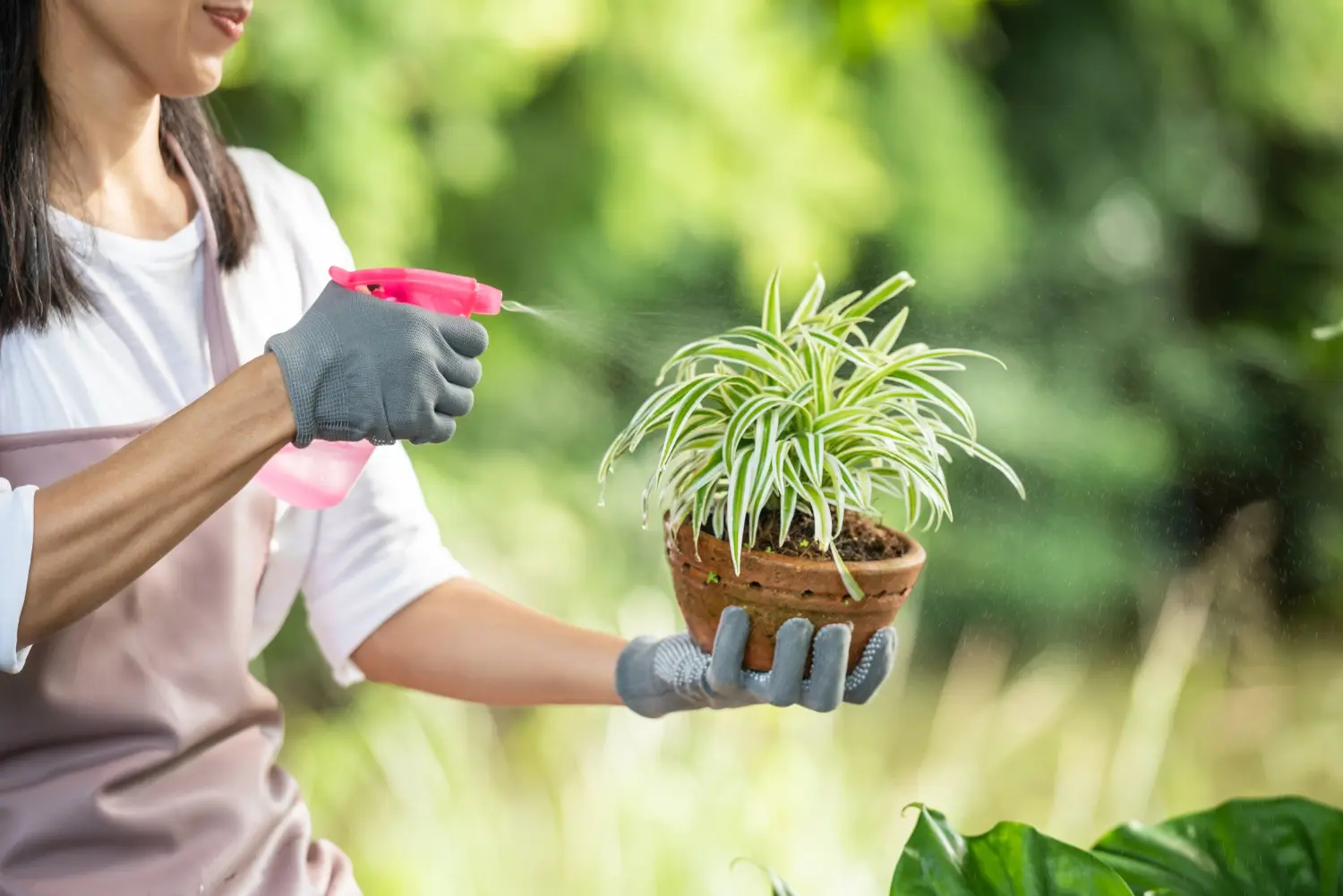
Misting spider plants provides only temporary, minimal humidity (minutes) and is generally ineffective for long-term moisture needs, often causing fungal issues or pest attraction. While it can clean leaves or briefly boost moisture, better methods include using a humidifier, pebble trays, or grouping plants.
They thrive in 50–60% humidity and prefer consistent soil moisture over misting. Misting your spider plant helps raise the humidity level around it for a short period. Spritz your spider plant occasionally in dry hot conditions. Too much misting can lead to pest and fungal growth issues.
Is Misting Spider Plants Helpful or Harmful?
Do Spider Plants Actually Benefit From Misting?
Spider plants (Chlorophytum comosum) are tropical houseplants that appreciate moderate humidity, which is why many plant owners assume misting is beneficial. At first glance, spraying the leaves seems like an easy way to increase moisture levels around the plant. Unfortunately, misting spider plants does very little to improve humidity and may actually create more problems than benefits.
The biggest issue is that water droplets evaporate extremely quickly in most indoor environments. In a typical room with open airflow, the moisture from misting disappears within minutes, leaving your spider plant right back where it started. To truly increase humidity through misting alone, you would need to spray your plant constantly throughout the day — which simply isn’t practical.
Because of this, many plant experts now consider misting to be one of the most overrated houseplant care tips. While it may temporarily dampen the leaves, it does not significantly raise surrounding humidity levels long enough to benefit the plant.
Spider plants naturally thrive in humidity levels around 50% to 60%, but they are also highly adaptable and usually grow well in average household conditions. In fact, most homes already fall within a safe humidity range for spider plants, especially during spring and summer.
Another concern with misting is the increased risk of plant disease. Constantly wet foliage creates the perfect environment for fungal and bacterial problems to develop. Moisture sitting on leaves can encourage leaf spot diseases, mold growth, and rot-related issues — especially in homes with poor airflow. Water droplets may also spread infections from one plant to another.
Although some gardeners claim misting helps deter pests like spider mites, excess moisture can attract other common houseplant pests, including fungus gnats. Over time, frequent misting may do more harm than good.
If your home air is extremely dry, there are far more effective ways to increase humidity for spider plants. Running a humidifier nearby, grouping plants together, or using a greenhouse cabinet or terrarium will provide longer-lasting moisture without soaking the leaves.
That said, occasional misting isn’t likely to damage a healthy spider plant. Some plant owners simply enjoy the routine and use it as an opportunity to inspect their plants for pests or signs of stress. A light mist on an especially hot or dry day is generally harmless — but it should not be relied on as a primary humidity solution for spider plants.
Why Misting Spider Plants Usually Doesn’t Increase Humidity
Reasons NOT to mist spider plants
Many houseplant care guides recommend misting as a quick way to raise humidity, but the science behind it tells a different story. The moisture from misting evaporates so quickly that it rarely changes the humidity level around the plant for more than a few minutes.
In enclosed environments like terrariums or greenhouse cabinets, humidity can remain trapped around the plant longer. However, most spider plants are grown in open rooms where airflow quickly disperses moisture.
Because spider plants are already tolerant of normal indoor conditions, occasional dry air is usually not a major problem. Instead of misting repeatedly throughout the day, it’s more effective to focus on maintaining consistent plant care habits, including:
- Proper watering
- Bright indirect light
- Good drainage
- Stable indoor temperatures
- Moderate household humidity
Healthy spider plants are much less likely to suffer from dry air when their overall care needs are being met.
Can Misting Spider Plants Cause Pests or Disease?
How Excess Moisture Can Lead to Common Spider Plant Problems
One of the biggest downsides of misting spider plants is the increased risk of fungal and bacterial issues. Wet leaves create a damp surface where pathogens can multiply quickly, especially in warm indoor environments.
Leaf spot disease is one of the most common problems linked to excess moisture on foliage. It often begins as small brown, yellow, or black spots that gradually spread across the leaf. In severe cases, infected leaves may wilt or die entirely.
Frequent misting may also contribute to:
- Fungal growth
Mold issues
Crown rot
Bacterial infections
Fungus gnat infestations
While spider mites dislike humidity, the tradeoff often isn’t worth it for spider plants that already tolerate average indoor moisture levels well.
If you notice spotting, mushy leaves, or persistent moisture sitting on the foliage, reduce misting immediately and improve airflow around the plant.
Better Ways To Increase Humidity for Spider Plants
More Effective Alternatives to Misting Spider Plants
If your spider plant is struggling in extremely dry indoor air, there are safer and more effective ways to boost humidity without soaking the leaves.
Use a Humidifier
A small humidifier placed near your spider plant provides steady, consistent humidity that actually benefits the plant long term.
Group Houseplants Together
Plants naturally release moisture through transpiration. Keeping several houseplants close together creates a slightly more humid microclimate.
Try a Greenhouse Cabinet or Terrarium
Enclosed growing spaces trap moisture more effectively than open rooms and can help maintain stable humidity levels.
Avoid Dry Heat Sources
Keep spider plants away from heating vents, fireplaces, or radiators that rapidly dry out the air.
Monitor Indoor Humidity
A hygrometer can help you track humidity levels and determine whether your plant actually needs extra moisture.
For most spider plants, maintaining healthy general care habits matters far more than frequent misting.
Key Considerations for Misting Spider Plants & Increasing Humidity
Why You Might Mist a Spider Plant
Preventing Brown Leaf Tips
One of the most common reasons people mist spider plants is to help prevent brown leaf tips. Dry indoor air can sometimes cause the ends of the leaves to become crispy or brown, especially during winter when heaters reduce humidity levels inside the home. While misting does not permanently increase humidity, a light occasional misting may provide temporary moisture that helps reduce dryness around the foliage. However, persistent brown tips are more often caused by inconsistent watering, chemical buildup from tap water, or low humidity over long periods.
Cleaning Dust From Leaves
Spider plants naturally collect dust on their long arching leaves, especially indoors. Dust buildup can block sunlight and slightly reduce photosynthesis, making the plant appear dull over time. Light misting can help loosen dust and refresh the foliage, although wiping the leaves gently with a damp cloth is usually more effective for thorough cleaning. Clean leaves also allow your spider plant to absorb light more efficiently and maintain healthier growth.
Helping Deter Spider Mites
Spider mites thrive in warm, dry, dusty conditions, making indoor houseplants vulnerable during dry seasons. Occasional misting can create conditions that are less favorable for spider mites and may help discourage infestations before they start. However, misting alone will not eliminate an active pest problem. Regular plant inspections, proper airflow, and maintaining overall plant health are far more effective long-term strategies for preventing spider mites on spider plants.
Potential Risks of Misting Spider Plants
Fungal and Bacterial Problems
One of the biggest concerns with misting houseplants is leaving the foliage wet for extended periods. Excess moisture sitting on spider plant leaves can encourage fungal diseases, bacterial infections, and leaf spot issues — especially in rooms with poor air circulation. Misting late in the day is particularly risky because cooler nighttime temperatures slow evaporation and allow moisture to linger on the leaves longer than it should.
Misting Does Not Significantly Raise Humidity
Many plant owners are surprised to learn that misting only raises humidity for a very short period of time. In most homes, the moisture evaporates within minutes and does little to improve the surrounding humidity level long term. Because of this, frequent misting is often considered an ineffective humidity solution compared to methods like humidifiers or pebble trays.
Risk of Leaf Scorch
If a freshly misted spider plant sits in direct sunlight, water droplets on the leaves can sometimes intensify the sun’s rays and contribute to minor leaf scorch or spotting. While this is less common indoors, it can happen near bright south-facing windows or outdoors during hot weather. It is always best to avoid misting plants in strong direct sun.
Best Practices for Misting Spider Plants
Mist Earlier in the Day
If you choose to mist your spider plant, morning or early afternoon is the safest time to do it. This gives the foliage plenty of time to dry before cooler nighttime temperatures arrive. Avoid misting late in the evening when moisture may remain trapped on the leaves overnight.
Use Better Water Quality
Spider plants are sensitive to chemicals commonly found in tap water, particularly fluoride and chlorine. Over time, these minerals can contribute to brown leaf tips and general stress. Using distilled water, filtered water, or rainwater for misting can help reduce mineral buildup and prevent additional leaf damage.
Choose a Fine Mist Sprayer
A gentle fine-mist spray bottle works much better than heavy droplets that soak the foliage. Large water droplets tend to pool on leaves and increase the risk of fungal issues. A light mist evenly distributed across the plant is safer and more effective for occasional use.
Better Alternatives to Increase Humidity for Spider Plants
If your home air is consistently dry, there are more reliable ways to increase humidity around your spider plant than frequent misting.
Group Plants Together
Keeping several houseplants close together naturally creates a small humid microclimate. Plants release moisture through transpiration, which slightly raises humidity levels around nearby plants.
Use a Pebble Tray
A pebble tray is a simple humidity solution for indoor plants. Fill a shallow tray with pebbles and water, then place the pot on top of the stones while keeping the base of the pot above the waterline. As the water evaporates, it increases humidity around the plant without soaking the roots.
Run a Humidifier
A small humidifier placed near your spider plant is one of the most effective ways to maintain stable humidity levels indoors. Unlike misting, humidifiers provide continuous moisture to the surrounding air and can benefit multiple houseplants at once.
Try a Greenhouse Cabinet or Terrarium
For plant owners who grow tropical houseplants regularly, enclosed spaces like greenhouse cabinets or terrariums help maintain much higher humidity levels naturally. These setups are especially useful in very dry climates or during winter months.
Should You Mist Spider Plants? Final Thoughts
Spider plants are easygoing houseplants that adapt well to most indoor environments, which is one reason they remain so popular with beginner and experienced plant owners alike. While misting spider plants may seem like a helpful way to increase humidity and prevent brown leaf tips, it is usually not the most effective long-term solution. In most homes, the moisture from misting evaporates quickly and does little to raise humidity levels around the plant.
Occasional misting is generally harmless when done correctly, especially during very hot or dry weather. However, frequent misting can sometimes create conditions that encourage fungal diseases, bacterial issues, and excess moisture problems on the leaves. Instead of relying heavily on misting, most spider plants benefit far more from proper watering, bright indirect light, good airflow, and stable indoor humidity.
If your home air is extremely dry, using a humidifier, grouping plants together, or placing your spider plant near a pebble tray will provide much more consistent humidity than misting alone. Ultimately, healthy spider plant care is less about spraying the leaves and more about maintaining balanced growing conditions overall.
With the right care routine, spider plants can thrive for years while producing lush foliage and plenty of healthy spiderettes — no constant misting required.