Spider Plant Baby Fairy Garden Propagation (Misting Method)
What Is Spider Plant Baby Fairy Garden Propagation?
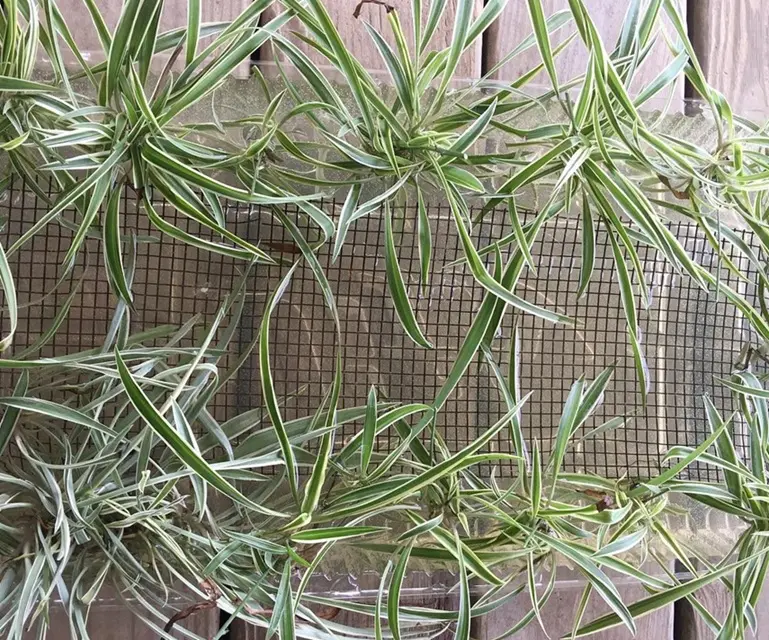
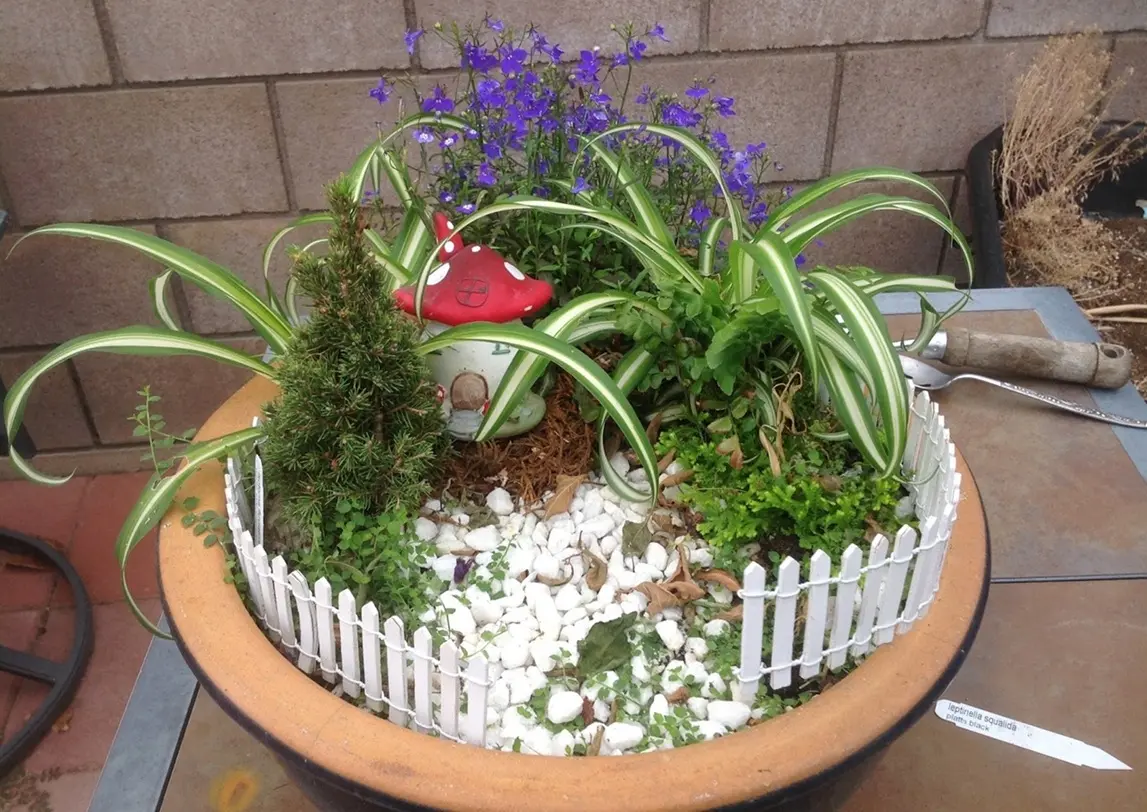
Spider Plant Fairy Gardens can be used for spider plant baby misting propagation and is a super fun and creative way to propagate your baby spider plants.
Spider plant baby fairy garden propagation is a misting-based method where spider plant babies (spiderettes) are placed into a shallow, decorative container—often styled like a small bonsai garden—and kept lightly moist through regular misting instead of traditional watering or submerging.
Instead of rooting in water or being planted directly into soil, the spider plant babies sit on top of moss, soil, or a light substrate while receiving consistent surface moisture. This creates a humid micro-environment similar to a ran forest, where roots can begin forming gradually without being oversaturated.
What makes this method different is the combination of controlled moisture + airflow + surface contact, along with the added benefit of turning propagation into something visually appealing rather than just functional.
How This Misting Propagation Method Works for Spider Plant Babies
Spider plant misting propagation
Spider plant propagation doesn’t have to involve jars of water or constant transplanting. This method takes a different approach—one that mimics how spider plant babies naturally root in the wild: through consistent moisture, airflow, and contact with soil.
This page focuses on a fairy garden misting propagation setup, where spider plant babies (spiderettes) develop roots in a humid environment without ever sitting in water. It’s a slower, more natural process—but it produces stronger, better-adapted plants from the start.
If you’ve ever struggled with water-rooted babies failing after transplant, this method solves that problem before it even begins.
How to Set Up a Spider Plant Fairy Garden for Propagation
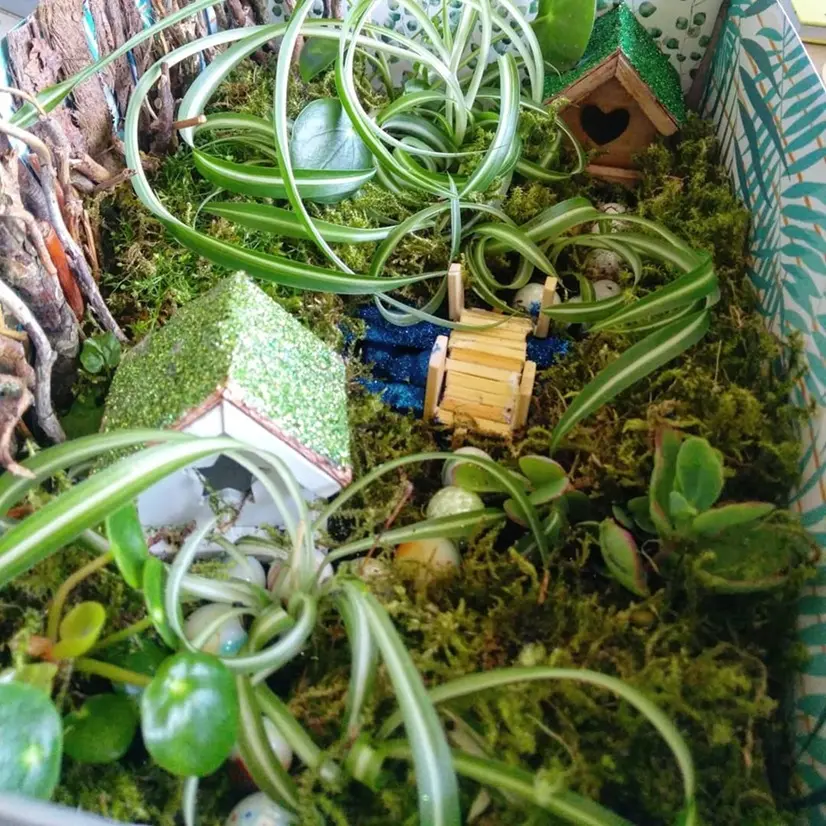
How to set up a spider plant fairy garden for spider plant babies
Spider plant babies already have tiny root nodes at their base. Especially the Curly Bonnie spider plant variety. In this setup, those nodes are exposed to light, repeated moisture from misting, rather than constant wetness.
The moss or light soil underneath acts as a moisture buffer. It holds just enough water to keep the environment damp, but not soaked. This allows roots to develop slowly and naturally while still getting oxygen—something water propagation doesn’t always provide.
Because the babies aren’t buried or submerged, you can monitor them easily. They begin to anchor themselves over time, sending roots downward into the material below as they establish.
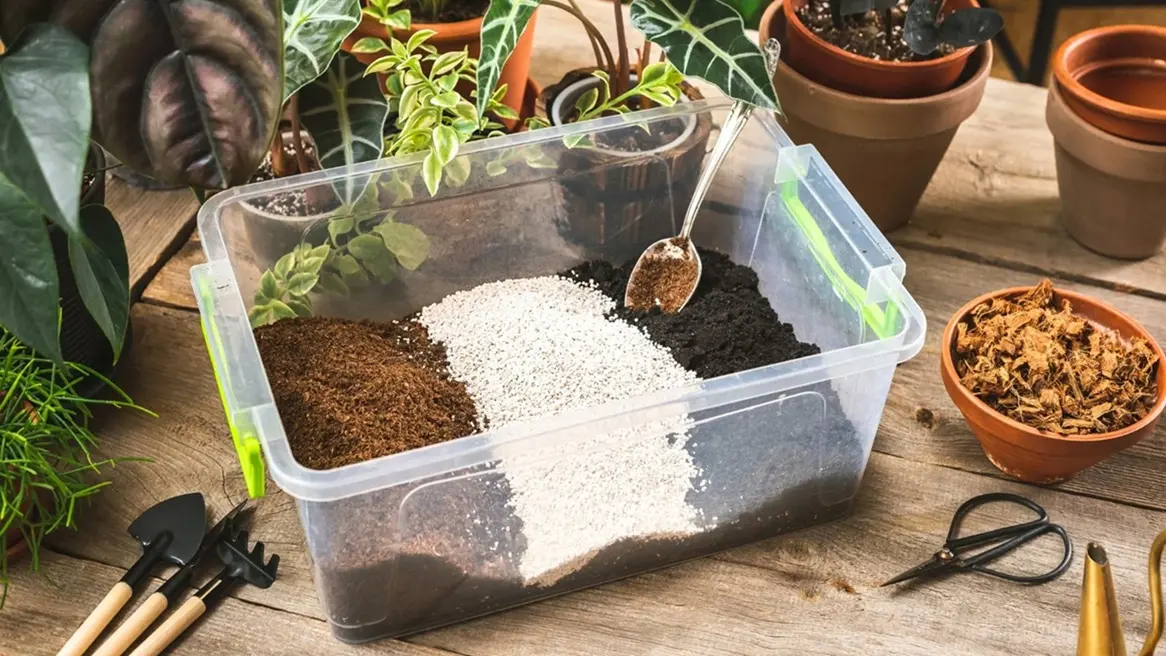
Start with a shallow container—something wide rather than deep works best. Add a base layer of moss, or a mix that drains well but can hold slight moisture.
Place the spider plant babies on top, making sure their base is touching the surface but not buried. You want contact, not coverage.
Lightly mist the entire setup until the surface is damp. From there, maintain moisture by misting once or twice a day depending on your environment. The goal is to keep things from drying out completely without ever soaking the container.
Place the setup in bright, indirect light. Too much direct sun can dry it out too quickly or stress the spiderettes.
Why This Method Is Different From Water and Soil Propagation
This method sits right in between water and soil propagation.
- Unlike water propagation, the roots aren’t forced to adapt later
- Unlike direct soil planting, you’re not risking overwatering early on
Instead, you’re creating a controlled surface rooting environment.
It also allows for better airflow than sealed humidity setups, which can sometimes lead to mold if not monitored. At the same time, it holds more consistent moisture than open-air propagation.
And honestly—it’s also just more engaging to look at and manage. That matters more than people admit.
How Long It Takes for Spider Plant Babies to Root with Misting
Rooting with this method can take a little longer than water propagation, typically around 2–3 weeks for visible root development.
However, the roots that form are already adapted to a soil-like environment, so once they establish, they tend to continue growing without the slowdown that often happens when transitioning from water.
You’ll start to notice:
- slight anchoring into the surface
- resistance when gently lifted
- new leaf growth (a strong sign roots are forming below)
When to Transfer Fairy Garden Propagations to Pots
Once the spider plant babies have formed visible roots and begin anchoring themselves into the base layer, they’re ready to move.
You can either:
- transplant them into individual pots
- or leave them in the container longer if space allows
When transferring, use a well-draining potting mix and keep the soil slightly moist for the first couple of weeks while they adjust.
Common Mistakes with Misting Propagation
The biggest mistake is overdoing the moisture. Misting should keep things damp—not wet. If the base stays soggy, the spider plant babies can still rot.
Another issue is inconsistent care. Letting the setup dry out completely between misting slows root formation significantly.
Also, avoid placing the container in low light. Without enough light, the babies won’t have the energy needed to develop roots.
Why This Method Works Well for Small Spaces and Indoor Setups
Because this method doesn’t require jars, deep pots, or constant watering, it works well in smaller indoor spaces.
It also keeps everything contained—no dripping water, no tipping containers, and no mess from soil overflow.
For people who like having plants integrated into their living space, this method blends propagation with display, which makes it easier to maintain consistently.
Final Thoughts on Spider Plant Baby Fairy Gardens
This spider plant propagation method turns propagating spiderettes into more than just a creative process—it becomes part of your living space. By using light moisture and surface contact instead of water or deep planting, spider plant babies are able to root gradually in a controlled environment that supports steady growth.
It may take a little more attention than dropping a spider plant cutting in water, but the results are consistent, adaptable plants that transition easily and continue growing without interruption.
If you’re looking for a different way to propagate spider plant babies—especially one that fits naturally into your indoor setup—this is a method worth using.