Learn How to Propagate Spider Plant Babies in Water or Soil (Easy Guide)
How To Propagate Spider Plants from Babies
Spider plants are one of the easiest houseplants to propagate. Here, you will learn how to propagate spider plants successfully from spiderettes using water, soil, or direct planting methods. This guide covers when to cut babies, rooting tips, best soil mixes, aftercare, and common mistakes so you can grow healthy new plants with confidence.
Propagate small spider plantlets (“spiderettes”) by cutting them from the stem and placing them in water or directly into moist potting soil. Choose babies with small brown nodes or existing roots, then place them in bright, indirect light. Roots usually develop in 1–2 weeks, with water propagation being the most reliable.
Propagation Secret: For faster propagation, pin the spiderettes onto the soil of a separate pot with a paperclip to keep them stable while they take root
Spider Plant Propagation Propagation Master Guide🌱
Spider plants are one of the easiest houseplants to propagate.
Best Time To Propagate Spider Plant Babies
Spring through early fall. The best time to propagate is during spring or summer when the plant is actively growing, but healthy spiderettes can often be rooted any time of year indoors.
How to propagate spider plant babies in soil
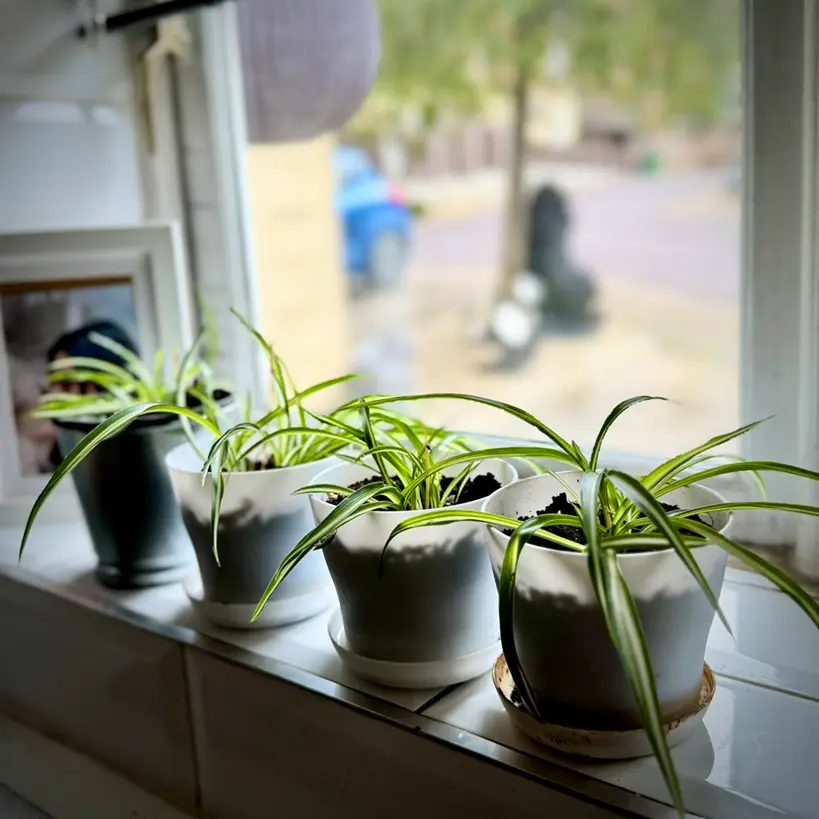
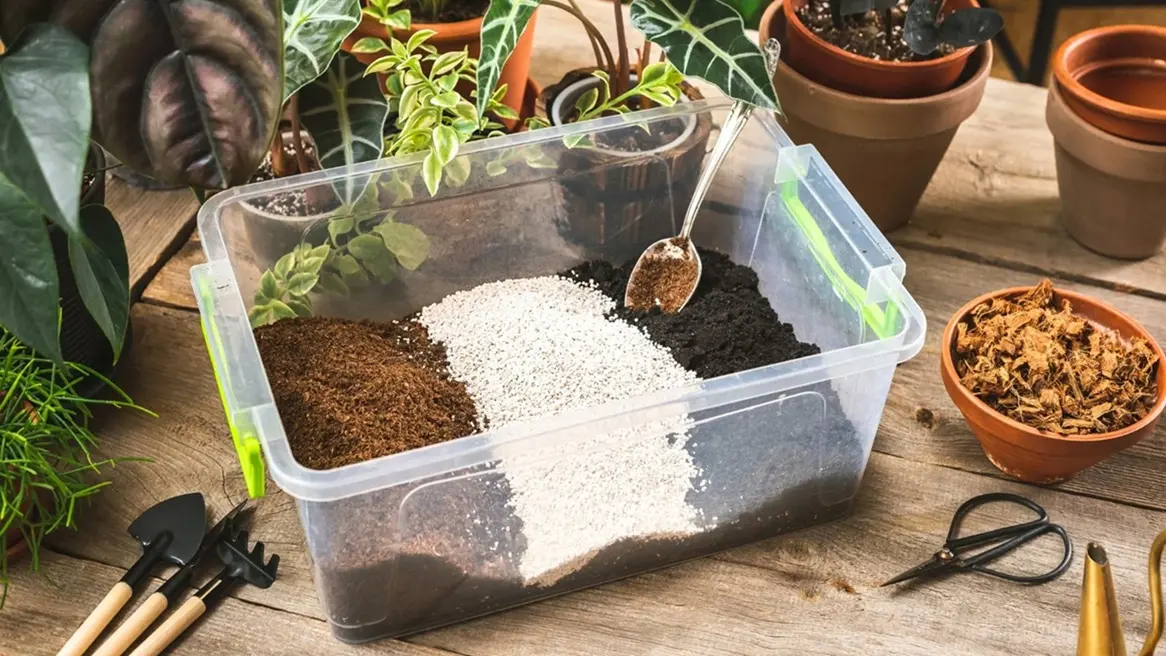
- Fill a small pot with light, moist, well-draining potting mix.
- Place the baby directly on soil with the root nub gently touching or slightly buried.
- Keep the soil lightly moist while roots begin forming, but never soggy.
- Roots usually establish quickly and new growth shows the plant has taken hold.
How to propagate spider plant babies in water
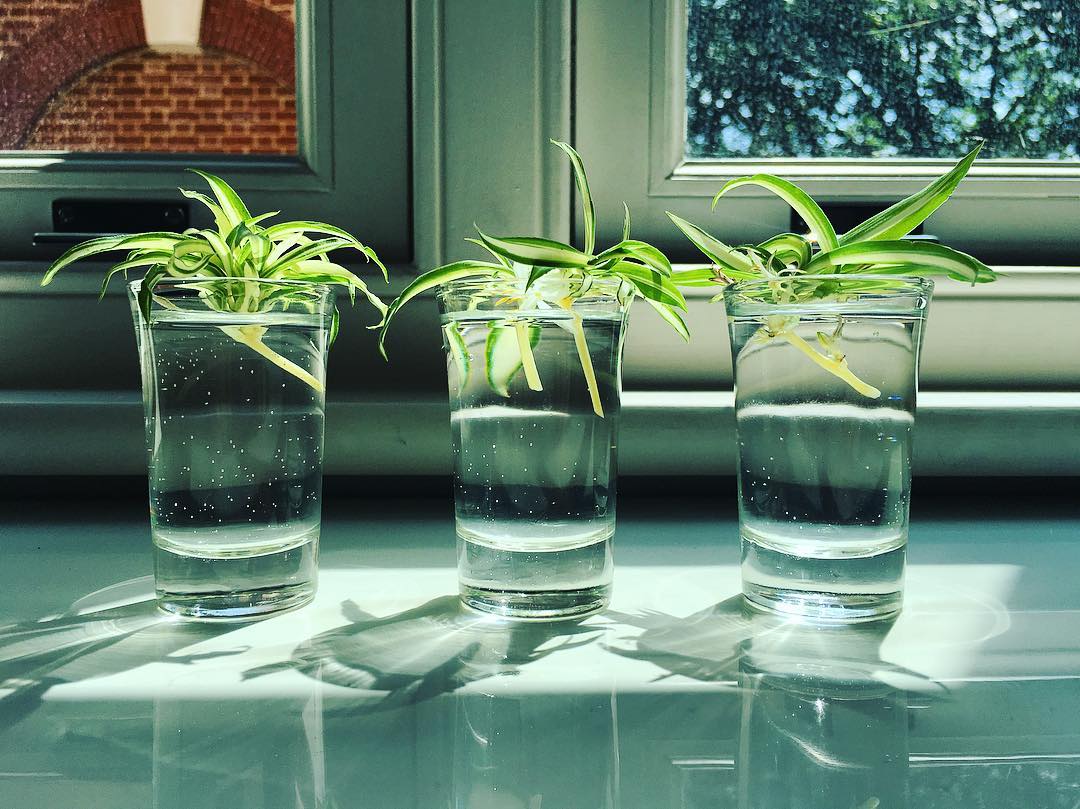
- Cut a healthy spiderette from the runner using clean scissors, or gently twist it free.
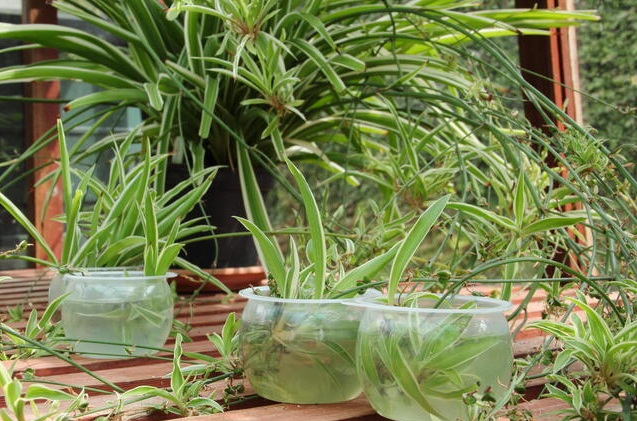
- Place the root nub or base into shallow water so only the bottom sits in water.
- Keep all leaves above water to prevent rot and keep the baby healthy.
- Change the water every few days so it stays fresh and oxygenated.
- Pot once roots reach 1–3 inches long in light, well-draining soil.
What Are Spiderettes?
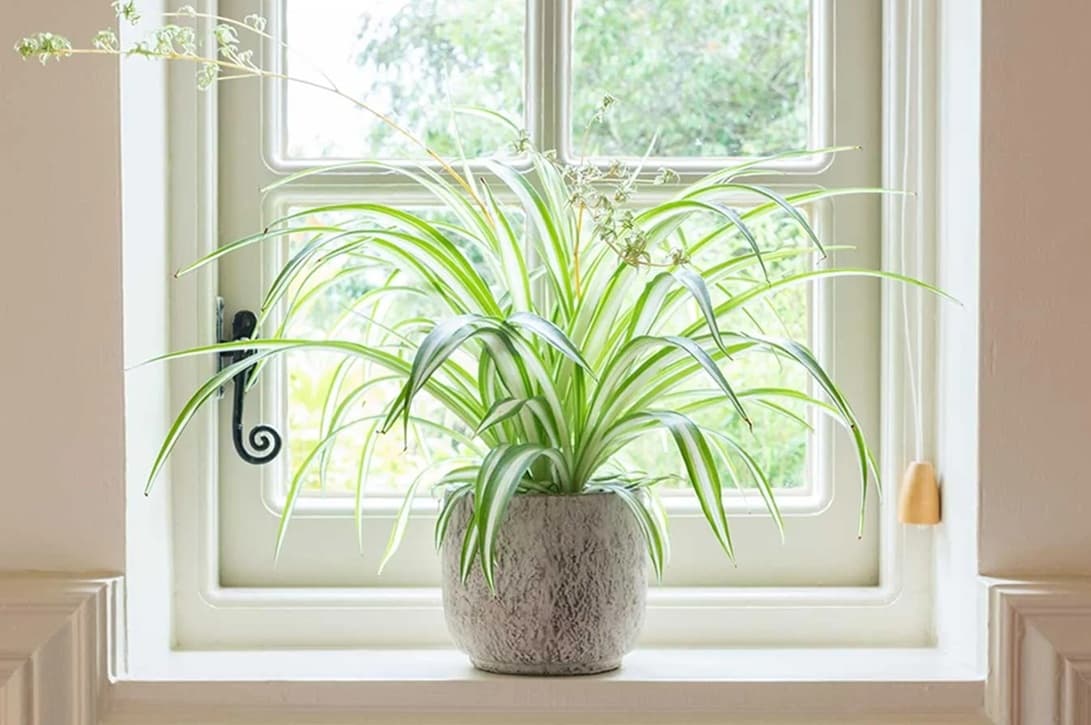
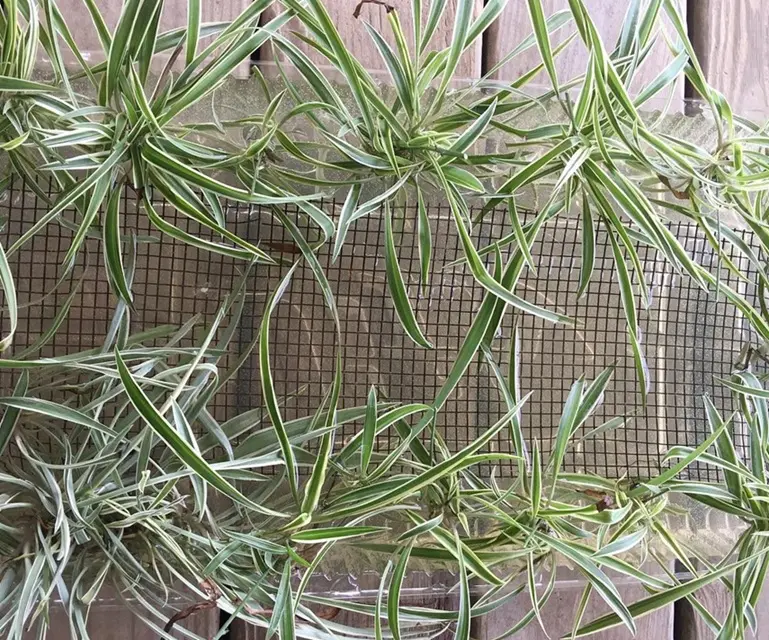
The babies on long runners cascading from the spier plant.
Best Spiderettes To Choose
Choose spiderettes that are:
• firm and healthy
• green with no browning
• showing small starter roots if possible
• large enough to handle easily
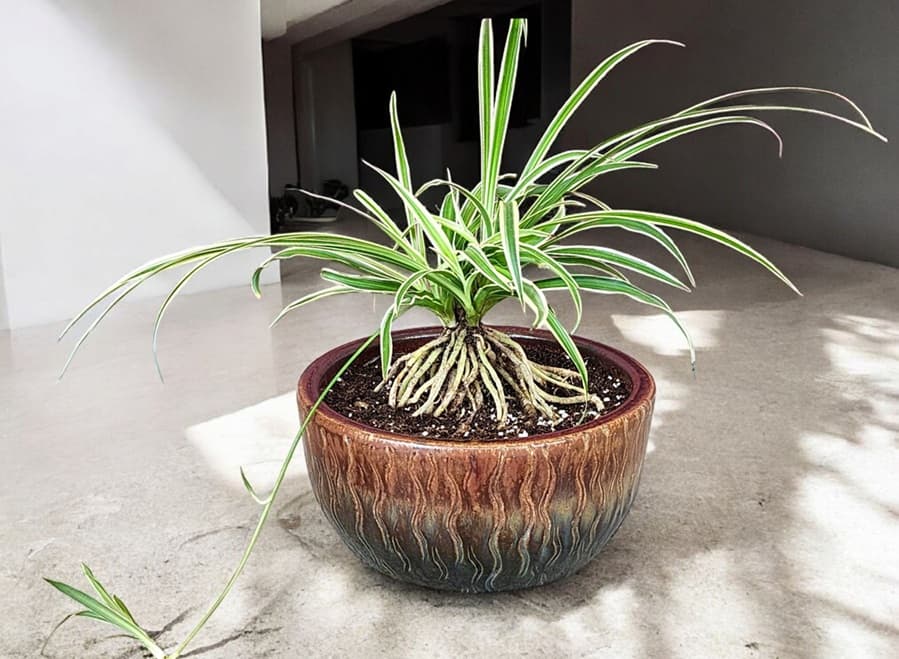
Attached To Mother Plant Rooting
Leave the baby attached to the mother plant while placing it into a small pot of moist soil or glass of water. The runner continues feeding the baby as roots develop.
This method is often the fastest, easiest, and safest way to propagate spider plants. Once rooted and growing, simply snip the runner.
Bonnie / Curly Spider Plant Propagation Tips
Curly Bonnie babies can root directly in soil very well and often establish quickly. Their compact shape and curled leaves make them especially popular to propagate. Handle them gently so the curls are not damaged. Bright indirect light and light moisture help the best results. Once rooted, care for them like mature Bonnie spider plants and avoid overwatering.
🤫 The Spider Plant Lady’s water Propagation Secrets
⚠️ You can grow spider plants without soil – but a word of caution about the water propagation method
Spider plants (Chlorophytum comosum) can grow in water long-term, but they often become weak and develop delicate roots, making soil the better choice for large, robust plants. While water propagation offers a fun way to grow, the primary risks include nutrient deficiencies, lack of plant support, and leaf rot.
Weak Growth: Plants grown strictly in water often remain smaller and less robust than soil-grown plants.
Root Vulnerability: Water-grown roots are fragile and struggle to survive if you eventually transition them back into soil.
Rot Potential: Submerging leaves can cause the plant to rot, and if water is not changed frequently (weekly), it can become stagnant.
Nutrient Starvation: Water alone lacks the nutrients required for long-term health; you must use a liquid fertilizer.
Tap Water Hazards: Spider plants are sensitive to fluoride and minerals in tap water, which can cause brown tips.
If you proceed with water propagation for your spider plant, take these steps to ensure success:
Use Proper Water: Use Spring water, filtered, distilled, or rainwater to prevent leaf-tip burn.
Light Requirements: Place in bright, indirect light to avoid scorching.
Prevent Rot: Keep the water level low enough so only the roots, not the leaves, are submerged.
Add Nutrients: Use a liquid plant food sparingly to prevent algae buildup.
Propagation gets easier with practice, so don’t be afraid to try. Spider plants are forgiving, fast growers, and one healthy mother plant can become many.
Start simple, stay patient, and enjoy watching your babies grow into thriving plants of their own. 🌱💚
Spider Plant Propagation FAQs: How to Grow Babies in Water or Soil
These common questions about how to propagate spider plant babies will help you grow new plants successfully in water or soil.
Yes, you should cut the babies (also called spiderettes) off your spider plant if you want to propagate new plants. Removing them helps redirect energy back to the main plant and encourages healthier growth.
Only cut spider plant babies when:
- They have small roots already forming, OR
- You’re ready to propagate them in water or soil
Use clean, sharp scissors and cut the stem (runner) close to the base of the baby plant. This makes propagation easier and reduces stress on the mother plant.
Yes, you can easily root spider plant babies in water. In fact, water propagation is one of the most popular and beginner-friendly methods.
To propagate spider plant babies in water:
- Place the base of the baby plant in a glass of clean water
- Keep leaves above the waterline
- Place in bright, indirect sunlight
Roots usually begin to grow within 5–10 days. Once roots are about 1–2 inches long, you can transfer the plant to soil for long-term growth.
You can propagate spider plant babies without roots by placing them directly in water or moist soil. Even if no roots are visible, spiderettes can still grow new roots quickly.
For best results:
- Cut the baby from the runner
- Place it in water OR plant it in light, well-draining soil
- Keep the soil slightly moist (not soggy)
Within a couple of weeks, new roots will begin forming. This makes spider plants one of the easiest houseplants to propagate.
You should cut spider plant babies at the base of the small stem (runner) that connects the baby to the mother plant.
Look for:
- A thin offshoot stem (runner)
- The point where the baby plant begins
Cut just below the base of the baby plant using clean scissors. Avoid damaging the leaves or crown of the plant. A clean cut ensures healthy propagation and faster root development.
Yes, you can propagate spider plant babies directly in soil without using water first. This method is simple and works very well.
To propagate in soil:
- Plant the baby in a small pot with well-draining soil
- Keep the soil lightly moist
- Place in bright, indirect light
Roots will form naturally within 1–3 weeks. Soil propagation is great if you want to skip the water step and grow your plant directly in its final medium.