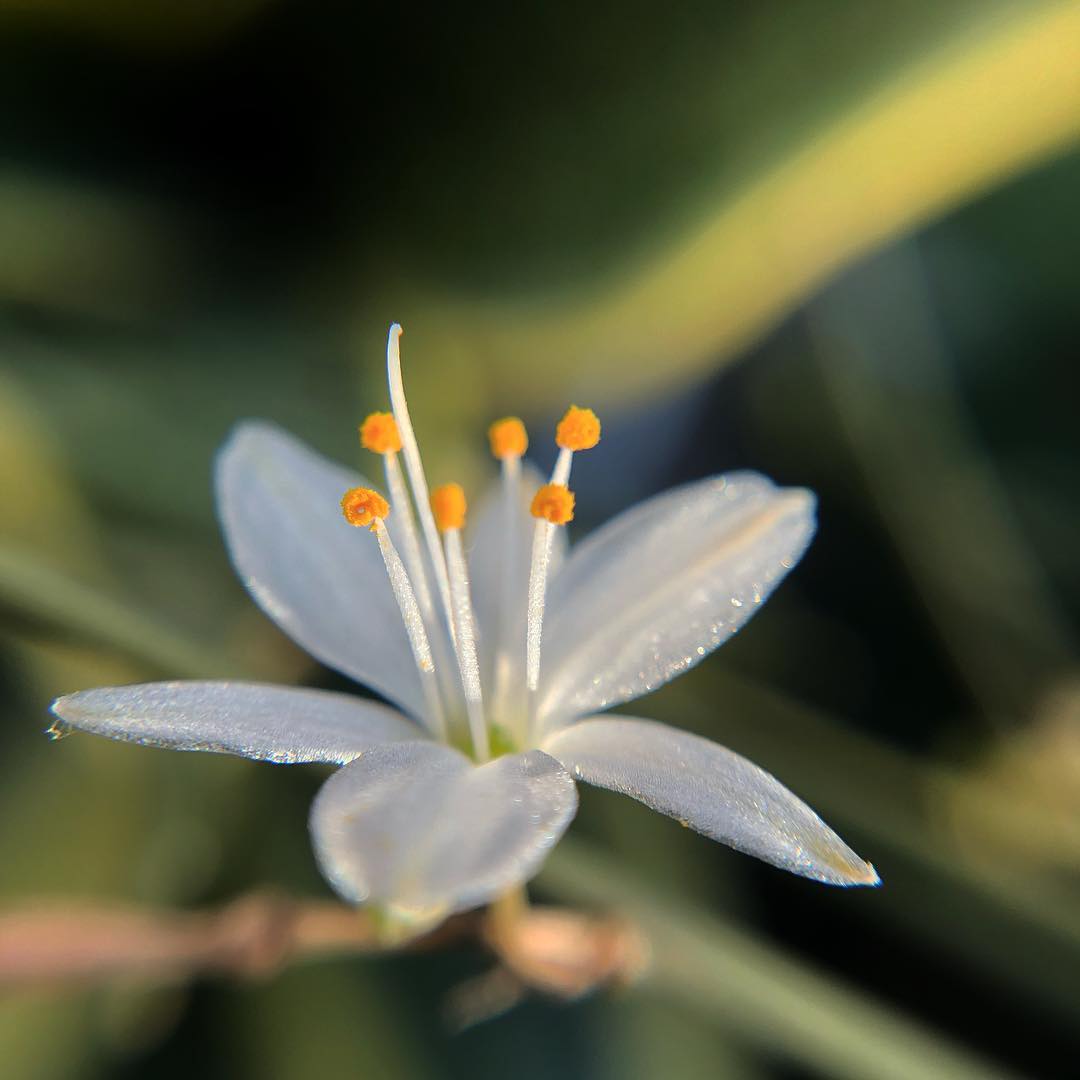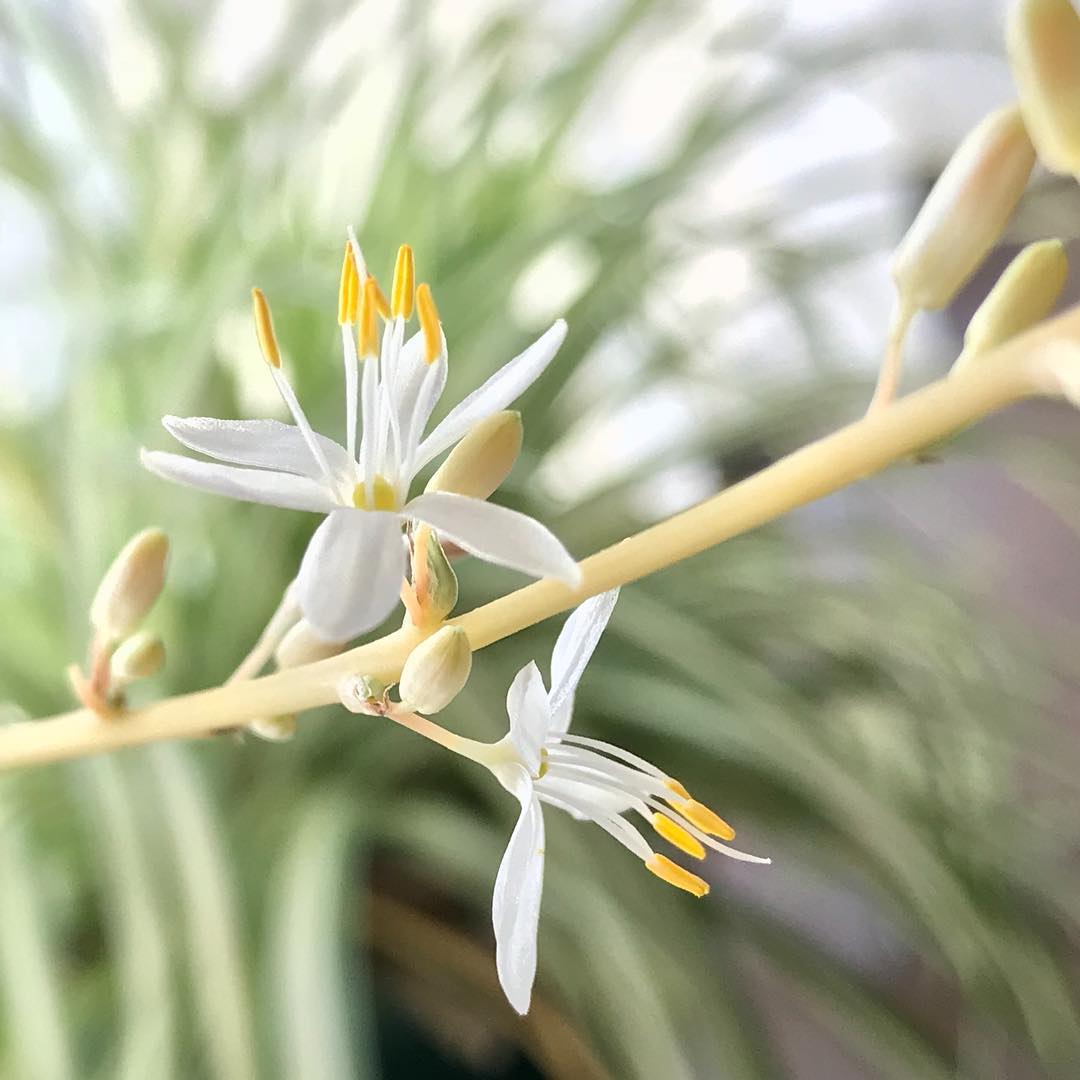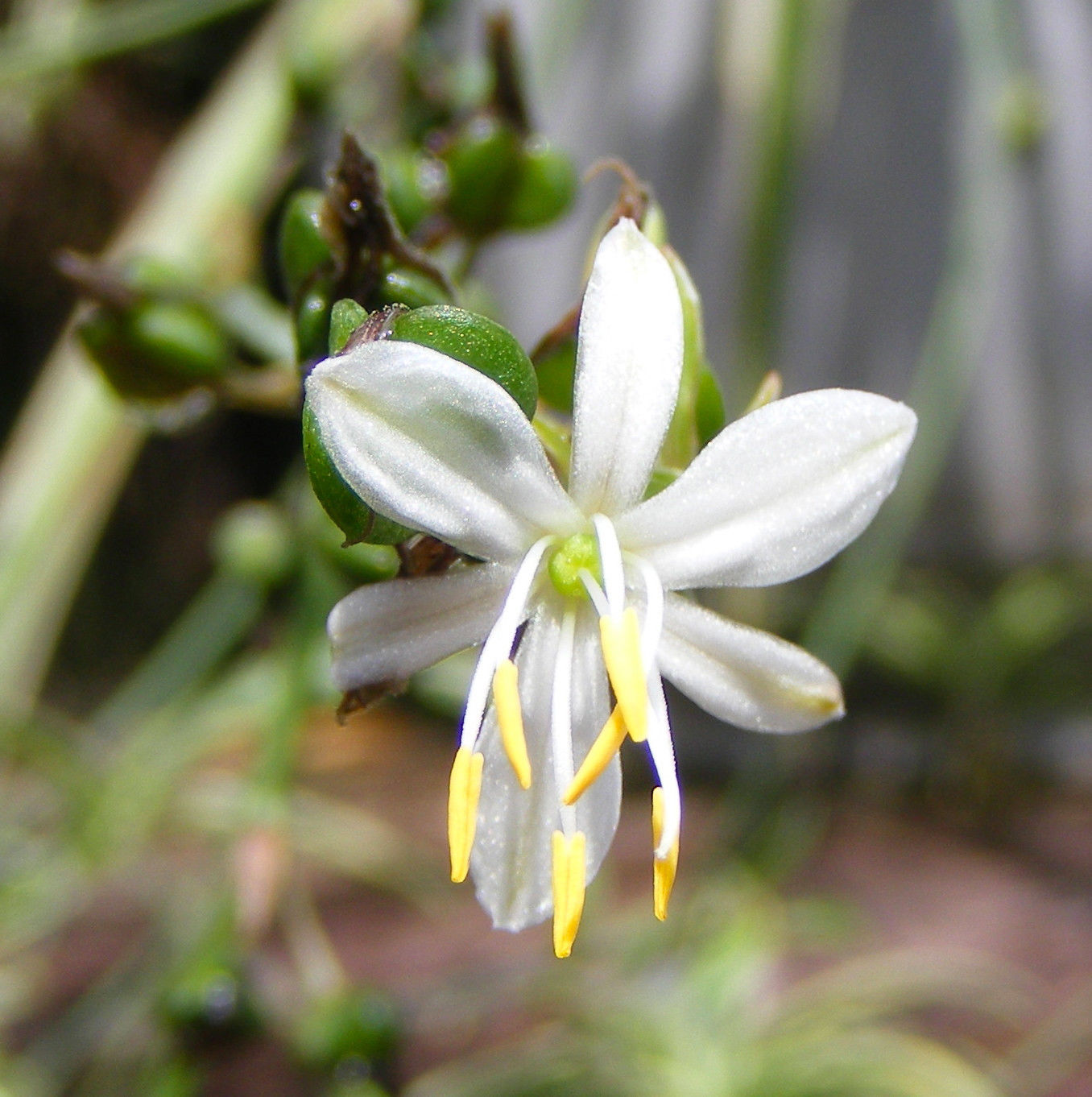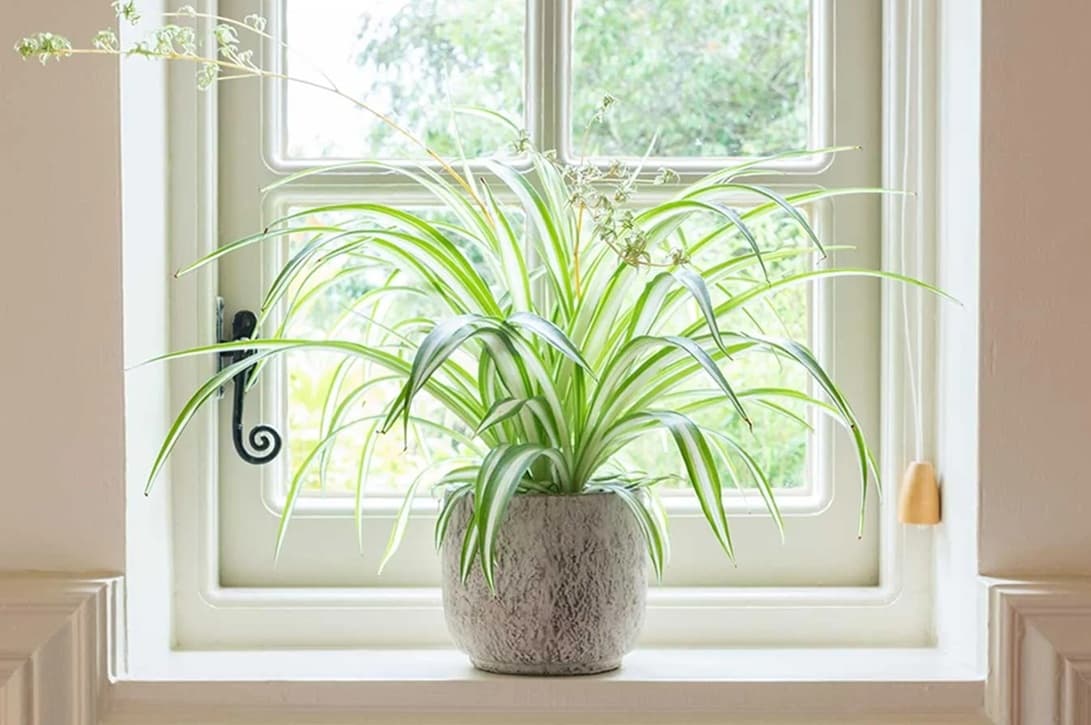
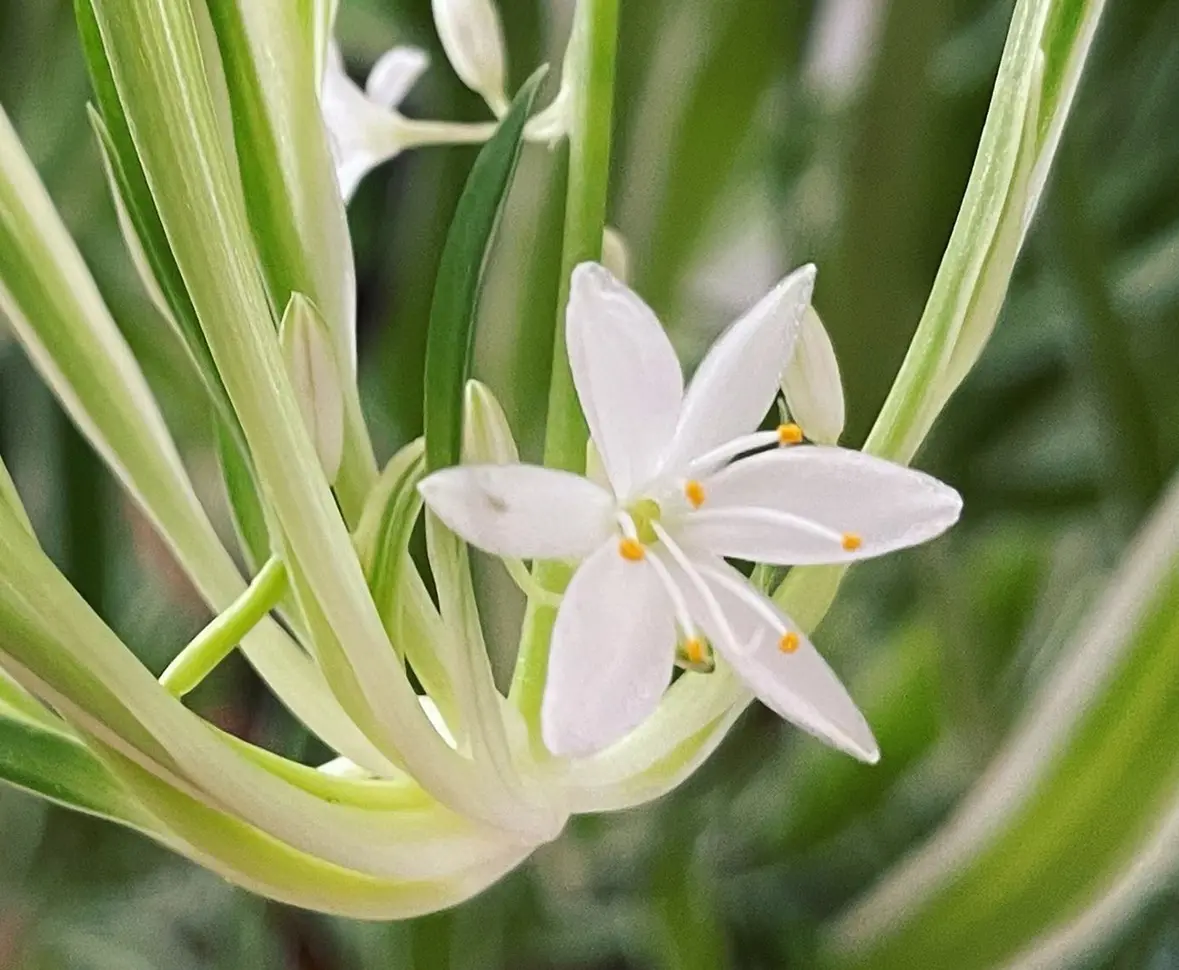
healthy spider plant flowers close up showing white blooms and green variegated leaves

How to Get Your Spider Plant to Flower

Last Updated: May 1, 2026By

How to Encourage More Spider Plant Flowers Naturally

Spider plants are best known for their long, arching leaves and baby offshoots—but they also produce delicate white flowers when conditions are just right. If your plant isn’t flowering, it usually comes down to light, maturity, and overall care.

The way to promote spider plant flowers is to create “good stress” by letting the plant become slightly pot-bound (crowded roots) while providing bright, indirect light. This mimics their natural environment, signaling the plant to reproduce via flowers and pups rather than focusing only on foliage growth.

Note: The white, star-shaped flowers are rare, and usually appear only on mature plants.

Spider plant flowers are small but important—they’re the first step before baby spiderettes begin to grow.
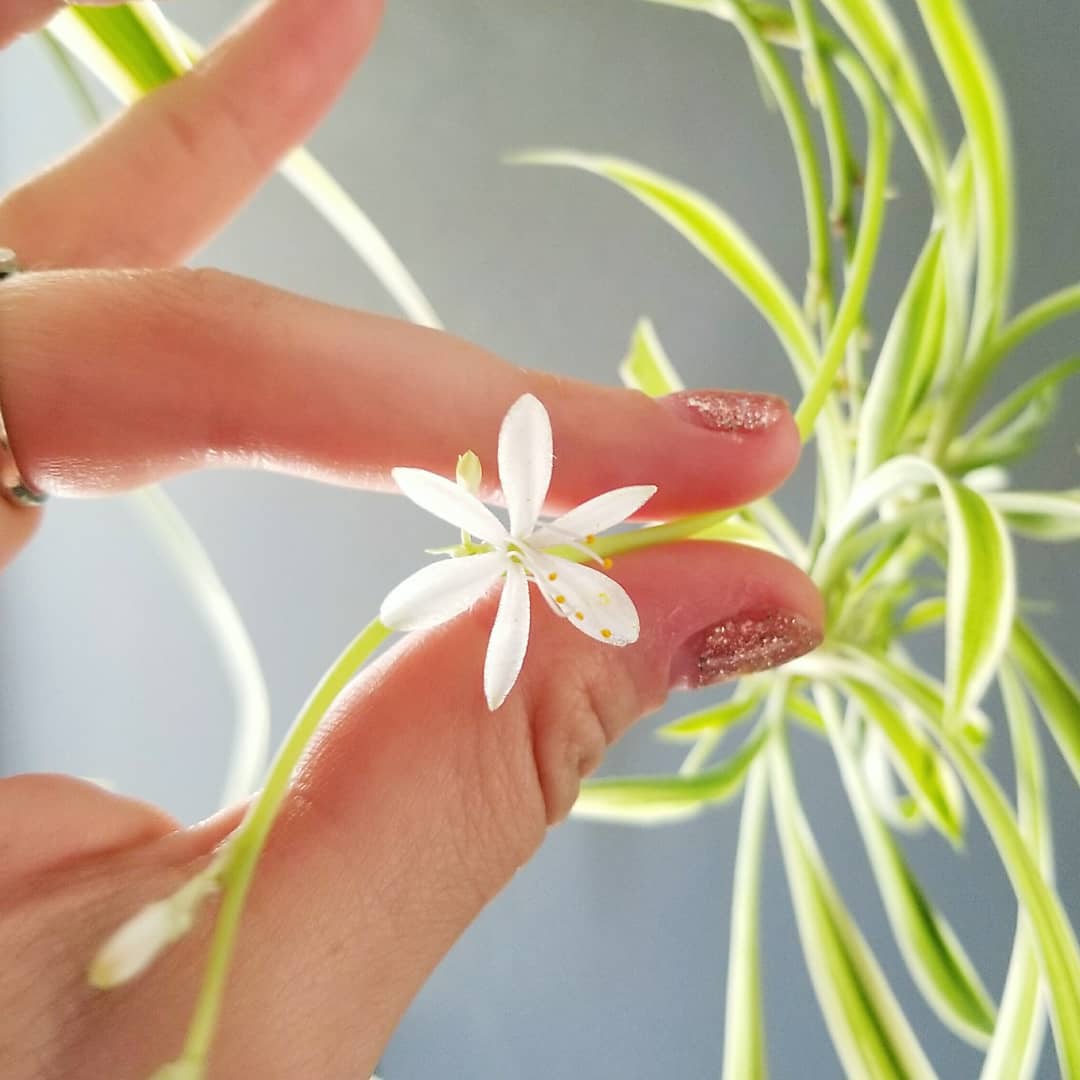
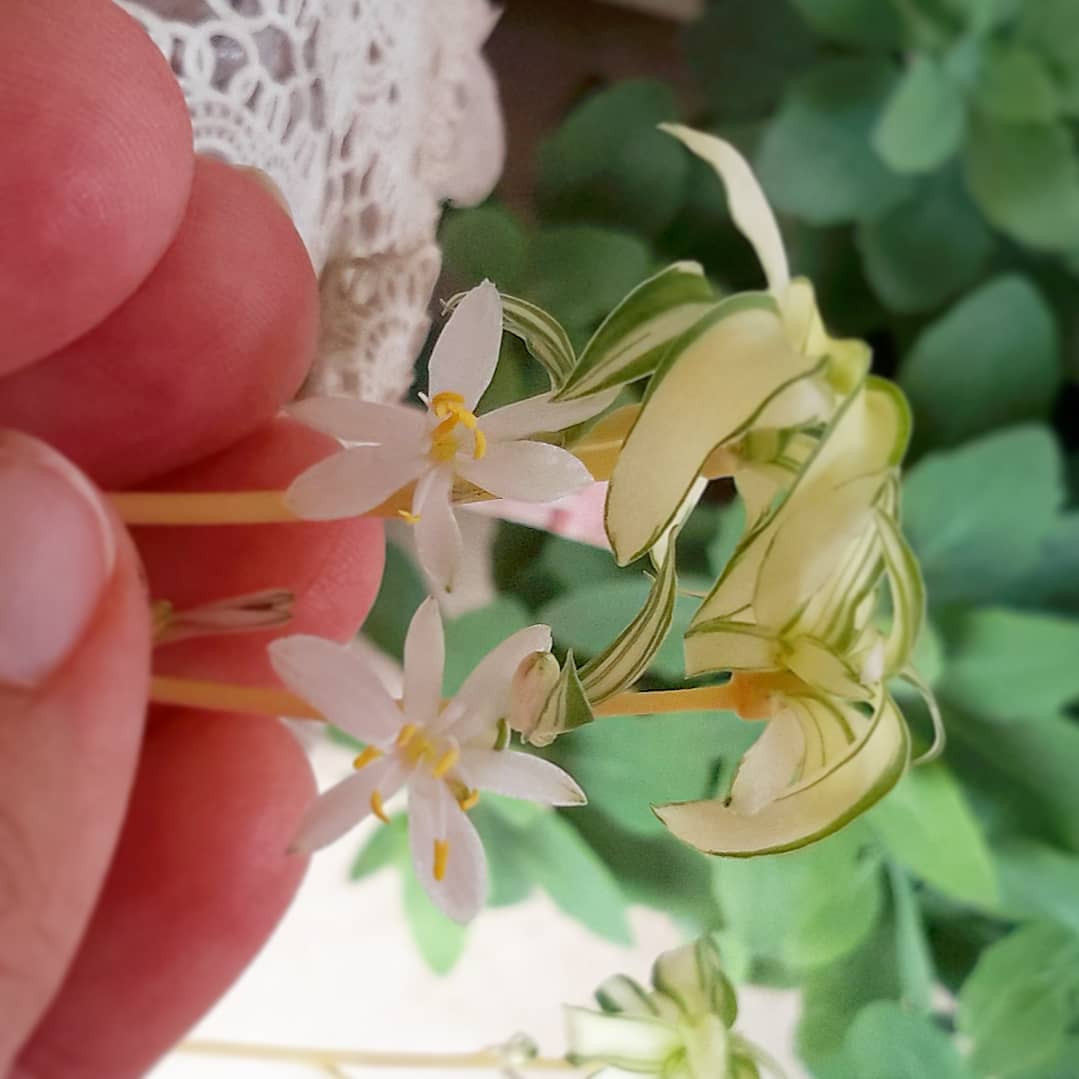
Root Bound Spider Plants Produce Many Flowers

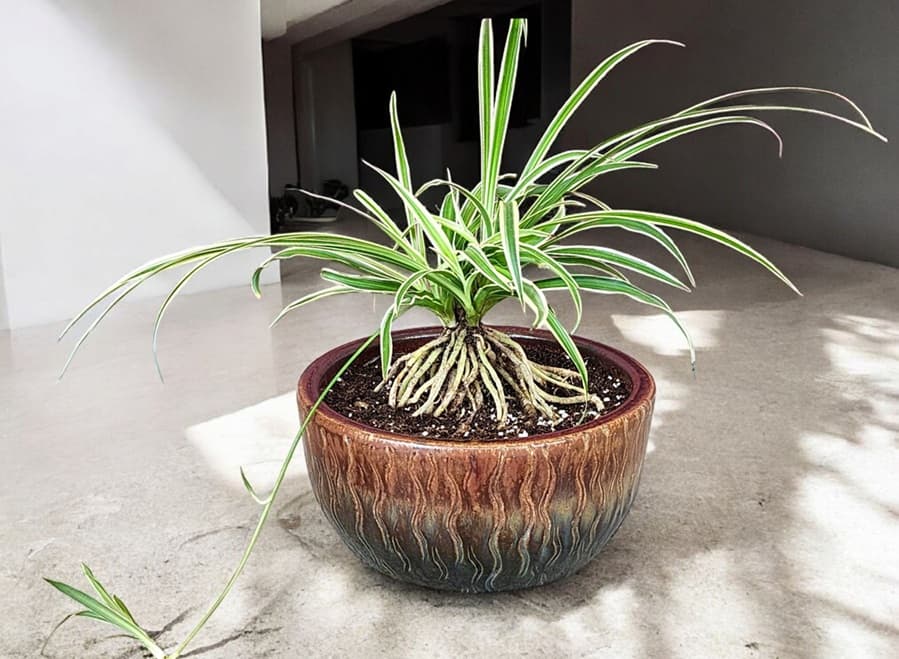
The single best tip for encouraging a spider plant to produce its sweet smelling white flowers is to let it become slightly root-bound. While most plants prefer plenty of room to grow, spider plants are signaled to reproduce—via flowers and “spiderette” offsets—when their roots feel restricted.

Top tips for spider plant flowering

No blooms yet? This checklist will fix that

Spider plants will only flower when their basic needs are met consistently—and when they’re just a little “stressed” in the right way. If your plant looks healthy but still isn’t blooming, small adjustments can make all the difference. Use this simple checklist to create the ideal conditions for flowers and baby spiderettes.

  • Optimal Light: Place in bright, filtered light (like an east-facing window) to provide enough energy for blooming.

  • Slightly Root-Bound: Keep in a small-to-medium pot; if it’s too comfortable in a large pot, it won’t flower

  • Watering: Water thoroughly only when the top 1–2 inches of soil are dry. Use distilled or filtered water to avoid fluoride, which causes brown tips.

  • Fertilize Wisely: Use a balanced liquid fertilizer diluted to half-strength every 2-3 weeks during spring/summer, or a bloom-boosting fertilizer.

  • Temperature: Encourage flowers by keeping the plant in a room with warm days and cooler nights (60°F–75°F)

Essential Conditions for Blooming Spider Plants

Beyond keeping the pot a bit snug, you can maximize your chances of seeing blooms by following these environmental cues:

  • Maximize Bright, Indirect Light: This is the most critical factor after pot size. Plants kept in low light rarely have the energy to flower. An east-facing window or a spot near a south-facing window with a sheer curtain is ideal.

  • Trigger with Cooler Nights: Mimicking natural seasonal changes can kickstart flower production. Exposure to slightly cooler temperatures at night—around 50–60°F (10–15°C)—during the spring can act as a trigger.

  • Use a Phosphorus-Rich Fertilizer: While nitrogen encourages lush green leaves, phosphorus boosts blooming. In early spring, consider using a bloom-boosting fertilizer at half strength once a month.

  • Patience for Maturity: Most spider plants must be at least one year old and have a robust crown before they have enough energy to divert toward flowers.

Why Your Spider Plant Isn’t Flowering

Common Mistakes That Stop Spider Plants from Flowering

Mistakes to avoid when trying to get your spider plant to grow babies and flower.

  • Over-fertilizing: High-nitrogen fertilizers produce lush leaves but prevent flowering.

  • Repotting Too Frequently: Constant upsizing pots keeps the plant focused on root growth instead of producing flowers..

  • Direct Sunlight: Harsh afternoon sun can scorch leaves and stress the plant, reducing its ability to bloom.

Creating the Perfect Conditions for Spider Plant Blooms

Spider plant flowers are a sign that your plant is truly thriving, not just surviving. By giving it the right balance of light, slightly snug roots, and consistent but not excessive care, you naturally encourage blooming without forcing it. Once your spider plant is happy, it will reward you not only with delicate flowers but also with baby spiderettes—proof that your care routine is working exactly as it should.
Spider Plant Flowers FAQs

Yes, it’s a good sign. When a spider plant flowers, it means the plant is mature and growing in the right conditions. Flowering is part of its natural growth cycle and usually happens before it starts producing baby spider plants.

If your spider plant is flowering but not producing babies, it may just need more time. Spiderettes often form after the flowers. Low light, inconsistent watering, or too much space in the pot can also delay baby production.

Spider plant flowers are short-lived and usually last a few days to about a week. However, the plant can continue producing new blooms over time, especially during the growing season.
You don’t need to remove spider plant flowers unless you prefer to. Leaving them allows the plant to produce babies, while removing them can help redirect energy back into leaf growth. It depends on whether you want more spiderettes or a fuller plant.