10 Common But Overlooked Spider Plant Mistakes
Why Spider Plants Struggle (And How to Fix It)
10 Mistakes To avoid With Your Spider Plant
Spider plants are often called one of the easiest houseplants to grow, but that doesn’t mean they’re mistake-proof. In fact, many of the most common issues—like brown tips, yellowing leaves, or slow growth—are usually caused by small, easily overlooked habits. Understanding these mistakes is the key to healthier growth, stronger plants, and that full, lush look every plant owner wants.
The good news is that once you understand what to watch for, most of these issues are simple to correct—and avoiding them can make the difference between a plant that just survives and one that truly thrives.
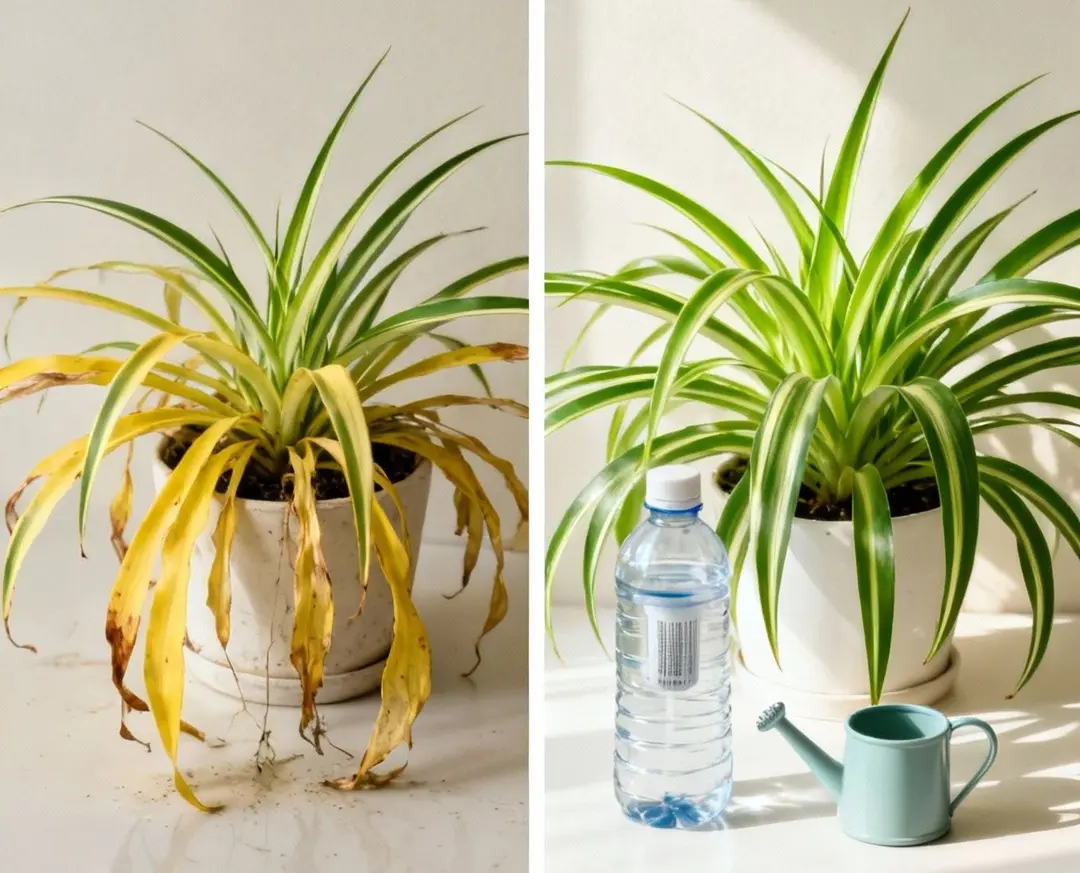
10 Common Spider Plant Mistakes to Avoid
🤫 The Spider Plant Lady’s Biggest Spider Plant Mistake Secret
-
-
Not watering with Spring water
💧 Watering spider plants with spring water provides essential minerals like calcium, magnesium, and potassium, promoting stronger growth, healthier foliage, and better soil health compared to treated tap water, distilled, or RO. Free from chlorine and fluoride, it prevents leaf-tip burn and is an excellent nutrient-rich, neutral-pH option for sensitive houseplants and indoor gardening.
-
Final Thoughts: Small Fixes Make a Big Difference 🔧
Avoiding these common mistakes is what turns spider plant care from frustrating to effortless. Once you understand what your plant needs—and what to avoid—you’ll start to see stronger growth, healthier leaves, and more of those iconic spiderettes.
Spider plants are incredibly forgiving, but most problems come down to a few simple mistakes—watering habits, light conditions, and the type of care they receive over time. The good news is that once you recognize these issues early, they are usually easy to fix.
By paying attention to your plant’s signals and making small adjustments, you can turn a struggling spider plant into a full, thriving one. Healthy growth isn’t about doing everything perfectly—it’s about being consistent and understanding what your plant needs. With the right care, your spider plant won’t just survive… it will reward you with vibrant leaves, strong roots, and plenty of new babies to enjoy.