Caring for Spider Plants Outdoors (Complete Guide)
How To Grow A Spider Plant Outside
Understanding the Right Outdoor Conditions for Healthy Growth
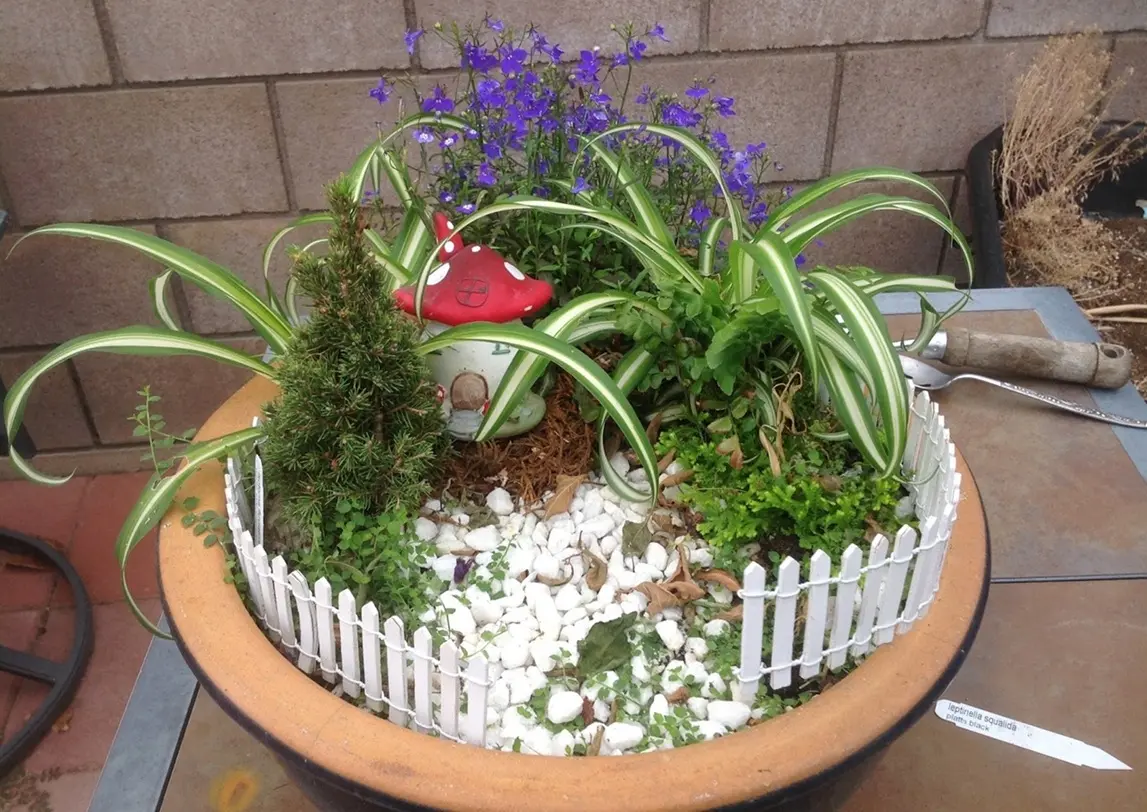
Spider plants can grow outdoors successfully when they’re placed in the right environment. Spider plants can thrive outdoors in warm, humid environments, especially within USDA Hardiness Zones 9 to 11, where they can grow as perennials year-round. In cooler climates, they are typically grown as annuals or moved outside only during the summer months.
Outdoor spider plants thrive in partial to full shade, protected from harsh afternoon sun, and in temperatures between 60-85°F (15-29°C) making them ideal for shaded patios, porches, or hanging baskets.
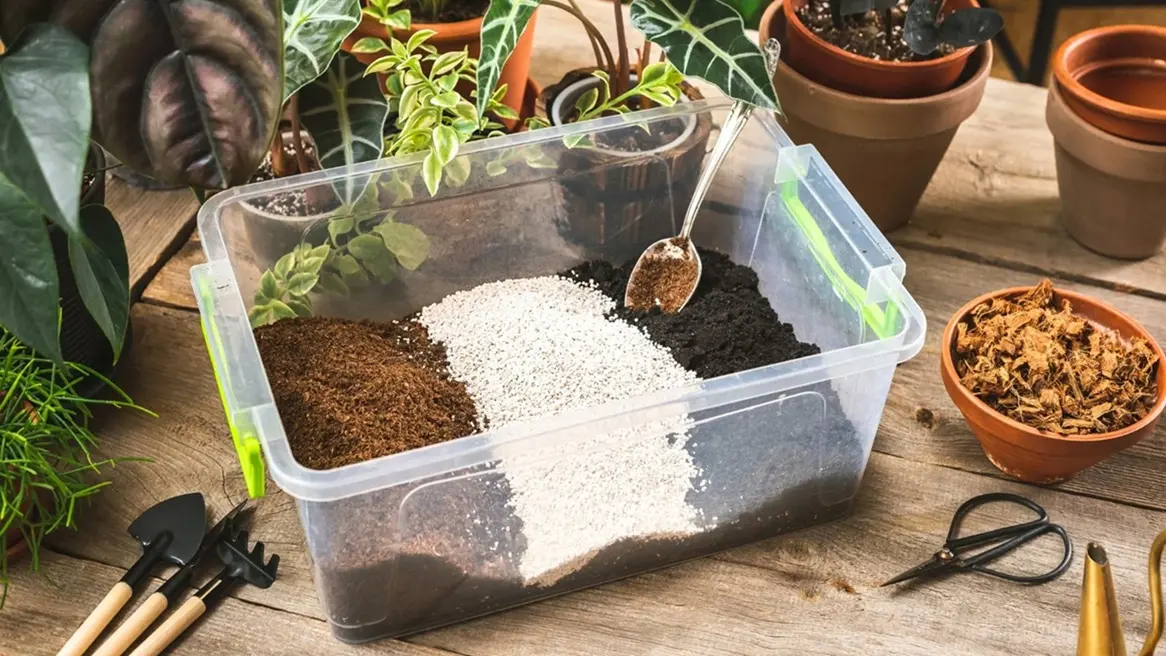
They prefer well-draining soil, consistent moisture (often daily in summer), and are ideal for hanging pots in bright, indirect light, growing vigorously until brought inside before autumn frosts. Be sure to slowly transition indoor plants outside and bring them in before temperatures drop below 50°F.
Best Outdoor Spider Plant Varieties Pictures
Hawaiian spider plant
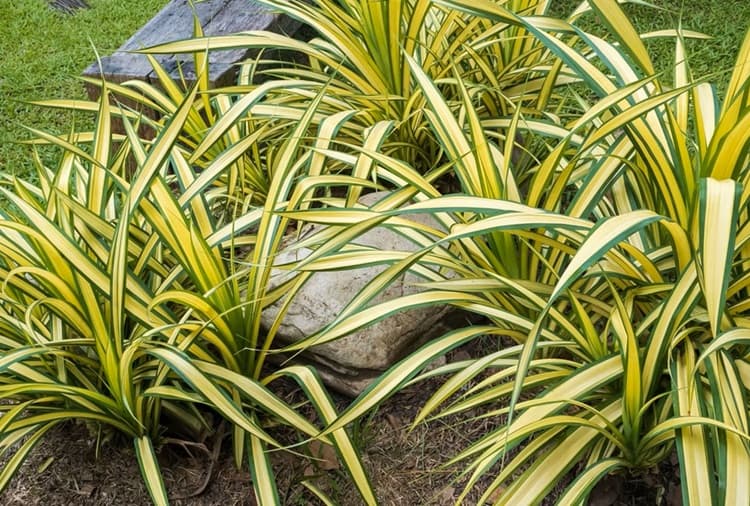
Shamrock spider plant
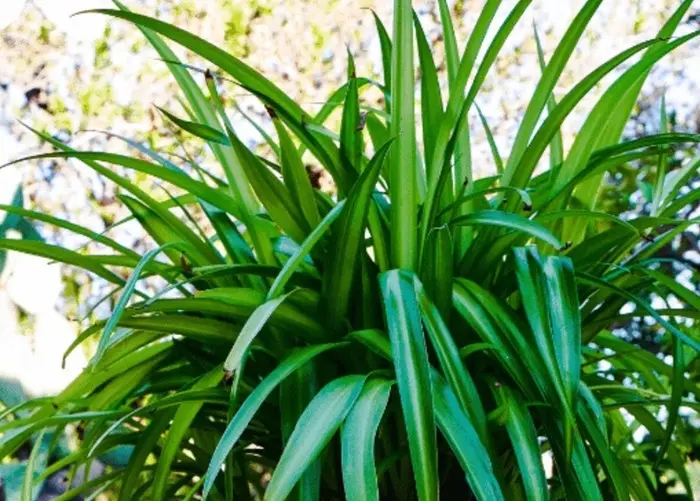
Fire Flash spider plant
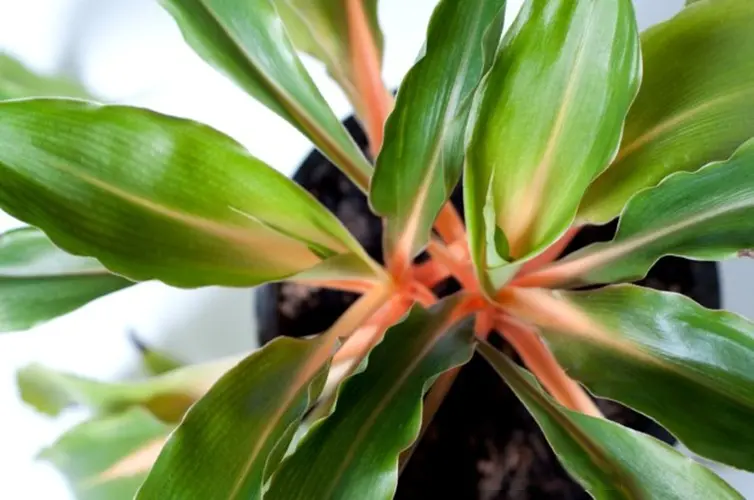
Zebra spider plant
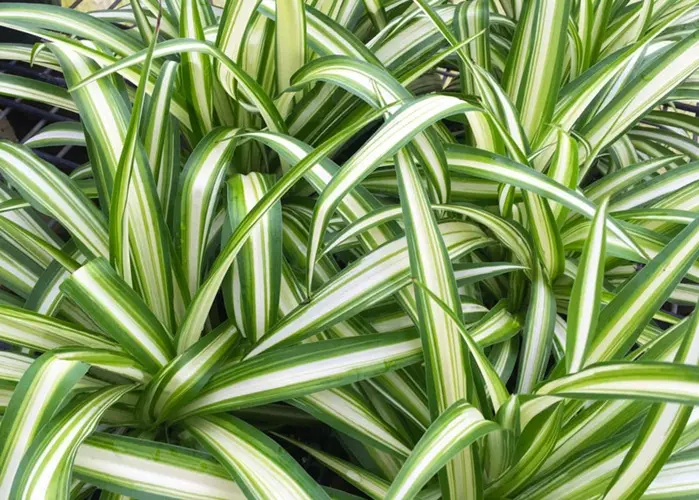
Essential Outdoor Spider Plant Care
Best Outdoor Light Conditions for Outdoor Spider Plants
Avoiding Harsh Sun While Maximizing Growth
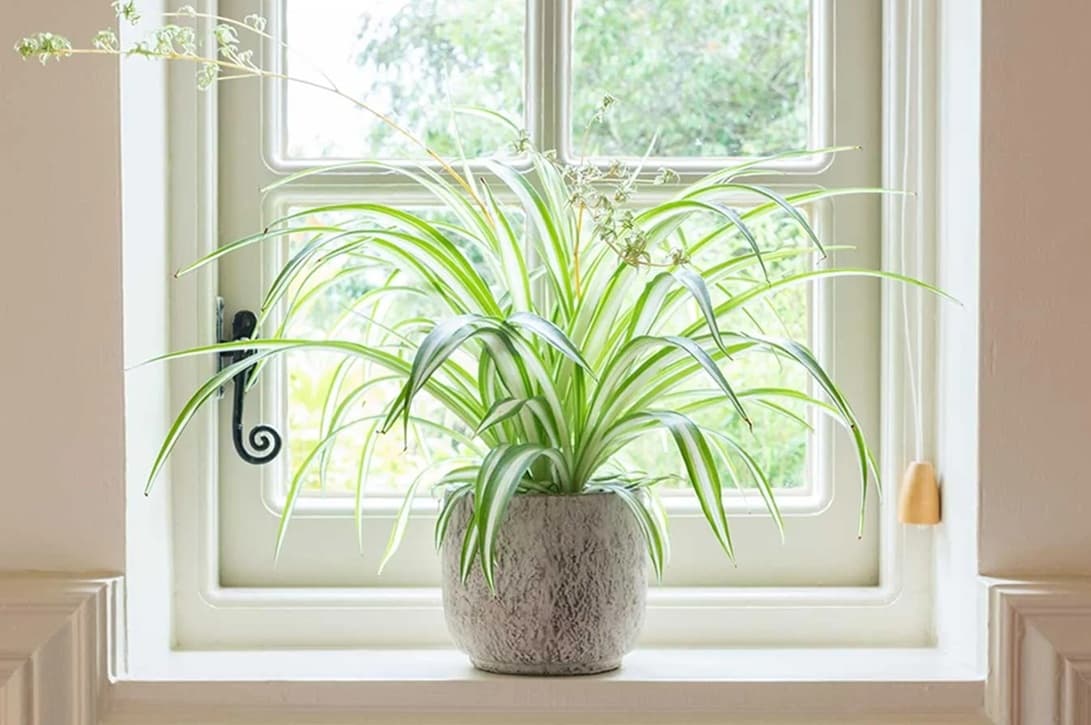
Spider plants thrive in bright, indirect sunlight when grown outdoors. Direct sun—especially in the afternoon—can scorch the leaves, causing brown tips, bleached patches, or dry edges. The ideal placement is a shaded patio, under a tree canopy, or near a wall that filters sunlight. Morning sun is usually safe, but intense midday or afternoon sun should be avoided to prevent stress and leaf damage.
How Often to Water Spider Plants Outdoors
Adjusting Watering for Heat, Wind, and Drainage
Outdoor spider plants typically need more frequent watering than indoor ones (possibly daily) because heat and airflow cause soil to dry out faster. Check the top 1–2 inches of soil regularly, and water when it feels dry. Always use pots with drainage holes, as soggy soil can quickly lead to root rot. During hotter months, you may need to water every few days, while cooler weather requires less frequent watering.
Temperature and Climate Considerations
When Spider Plants Can Stay Outside Safely
Spider plants prefer temperatures between 55°F and 85°F. They can tolerate warm outdoor conditions but are sensitive to cold. If temperatures drop below 50°F, it’s best to bring them indoors. In warmer zones, they can remain outside year-round, but in cooler climates, they should be treated as seasonal outdoor plants.
Choosing the Right Outdoor Location
Placement Tips for Healthy, Stress-Free Outdoor Spider Plants
Placement plays a huge role in outdoor success. Spider plants do best in areas with filtered light, good airflow, and protection from strong winds. Hanging baskets, shaded porches, and covered patios are excellent options. Avoid placing them in exposed areas where they’re hit by direct sun, heavy rain, or drying winds, as this can lead to leaf damage and dehydration.
Overwintering and Protection
Spider plants are not frost-tolerant. If temperatures are expected to drop below 50°F, they should be moved indoors to prevent damage or dormancy. For those keeping them in pots, a covered patio or screened porch provides protection from severe winds and weather.
Common Problems When Growing Spider Plants Outdoors
Sunburn, Pest Management and Environmental Stress
When kept outdoors, spider plants can face a few challenges. They become more susceptible to common garden pests such as aphids, scale, whiteflies, and spider mites. Before bringing plants back inside for the winter, inspect them thoroughly and consider treating them with an insecticidal soap to prevent pests from spreading to your other houseplants. Additionally, too much sun can cause leaf burn, while inconsistent watering can lead to yellowing leaves or browning leaf tips.
Transitioning Spider Plants Between Indoors and Outdoors
How to Avoid Shock and Stress
Moving a spider plant from indoors to outdoors should be done gradually. Start by placing it outside for a few hours each day in a shaded area, then slowly increase exposure over a week or two. This helps the plant adjust to stronger light, temperature changes, and airflow. Sudden changes can cause leaf damage or shock, so easing into outdoor conditions is important.
Bringing Spider Plants Back Indoors
Preparing for Seasonal Changes
Before bringing spider plants back indoors, inspect them carefully for pests and trim any damaged leaves. Gradually reintroduce them to indoor conditions to avoid shock. This transition is especially important in fall when temperatures begin to drop, ensuring the plant continues to thrive inside.
Outdoor Spider Plant Varities
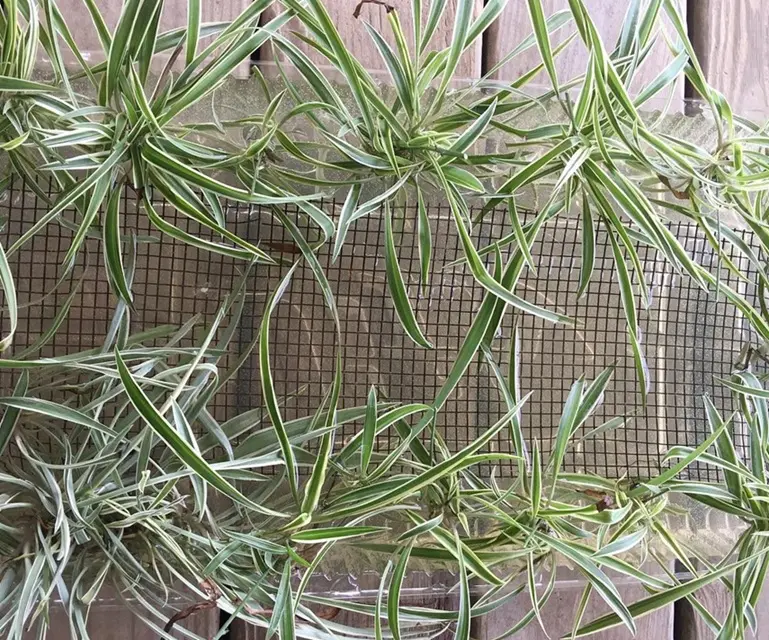
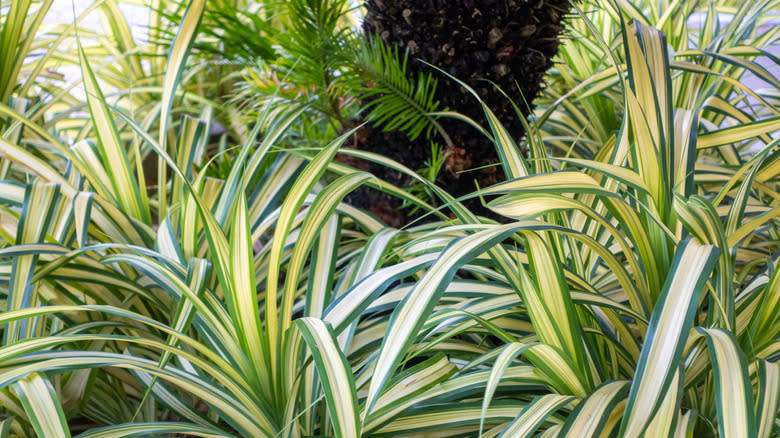
Popular outdoor spider plant varieties include Chlorophytum comosum ‘Variegatum’ (white-striped edges), ‘Bonnie’ (curly leaves), and the vibrant ‘Fire Flash’ (orange stems). These hardy, shade-tolerant perennials thrive in hanging baskets or as border plants in USDA Zones 9–11, thriving in bright, indirect light to partial shade.
Shopping for Outdoor Spider Plants
If you’re looking to add variety to your garden or porch, you can find them at these small businesses where I have personally purchased the exact same product myself:
- Spider Plant Curly ‘Bonnie’: A curly variety available in a 6″ nursery pot from GardenGalsPlants on Etsy, for approximately $16.
- Rare Variegated Ocean Spider Plant Variety – Bring vibrant charm and clean air into your home with this stunning variegated spider plant variety known for its lush green and white striped leaves. AugustBreezeFarm on Etsy, for $7.99.
- Hanging Baskets: 8″ overgrown premium hanging spider plant baskets with babies are available from LJPlantNursery for about $75.
- Native Alternatives: For a hardier outdoor option, the Ohio Spiderwort is available from Companion Plants for around $12 for a 2.5″ pot.
Final Thoughts on Caring for Spider Plants Outdoors
While spider plants commonly kept as indoor houseplants, these hardy plants adapt well to outdoor conditions in warm climates. The key is providing bright, indirect light, protection from harsh sun, and consistent watering. With the right setup, spider plants can develop fuller growth, stronger foliage, and even produce more offshoots than they typically do indoors.
Growing spider plants outdoors can be incredibly rewarding when done correctly. With the right balance of light, water, and protection from extreme conditions, these plants can thrive and even outperform their indoor counterparts. By paying attention to placement and seasonal changes, you can enjoy healthy, vibrant spider plants both inside and outside your home.