How to Divide a Spider Plant (Step-by-Step Guide)
When and How to Divide Spider Plants
If your spider plant has become too large for its pot or is growing multiple crowns, it may be time to divide it. Dividing a spider plant is one of the easiest ways to rejuvenate an overgrown plant while creating healthy new plants at the same time.
The best part? Spider plants are incredibly forgiving. Even mature, tightly rooted plants recover quickly after being divided and repotted.
In this guide, I’ll show you exactly how I divided one of my own mature spider plants using step-by-step photos.
Why Divide a Spider Plant?
There are several reasons to divide a spider plant instead of simply moving it into a larger pot.
You may want to divide your spider plant if:
- It’s become too large for your space.
- It has multiple crowns growing together.
- You want to make new plants without propagating spiderettes.
- The pot is packed with roots and difficult to water.
- You’d rather have two healthy plants than one oversized one.
Some people love growing giant spider plants, while others prefer keeping them a more manageable size. Dividing gives you that option.
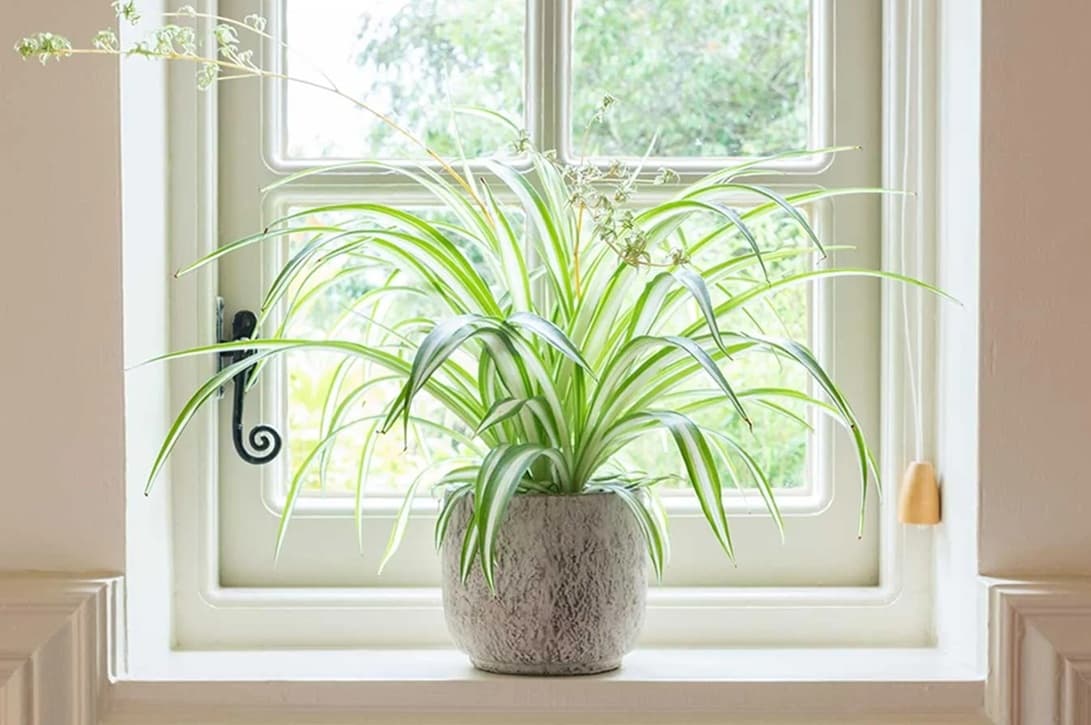
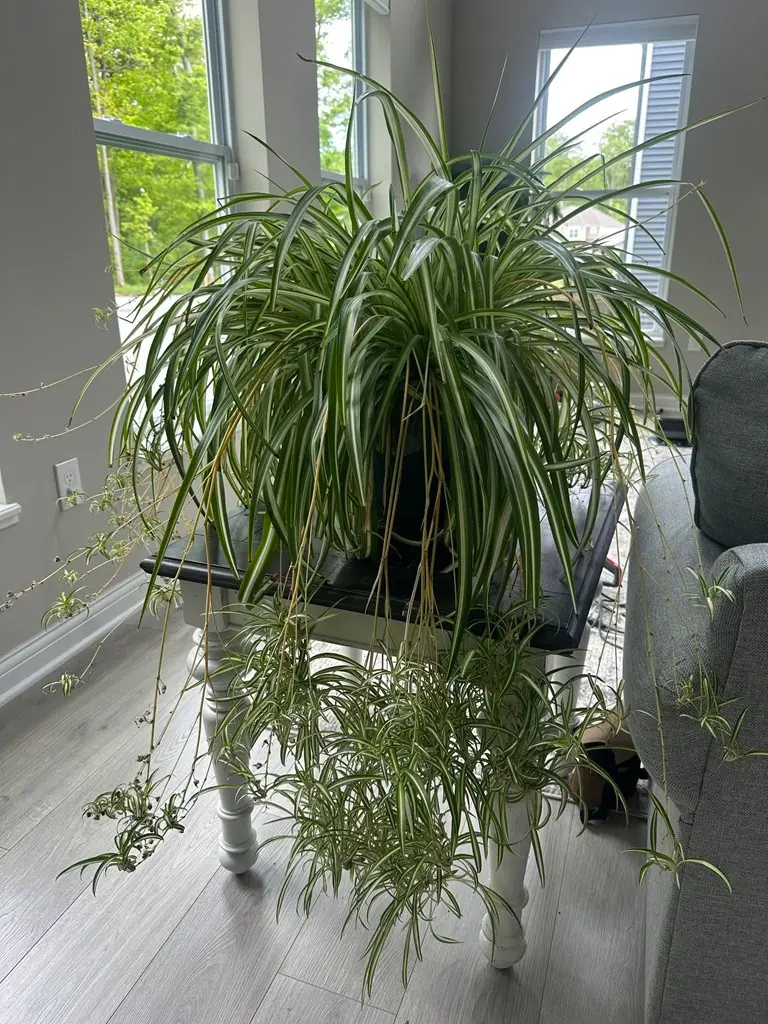
Large Spider Plant Before Dividing
A mature spider plant ready to be divided into two healthy plants.
When Is the Best Time to Divide a Spider Plant?
Spring and summer are ideal because the plant is actively growing and recovers quickly.
That said, healthy indoor spider plants can usually be divided any time of year if they’re actively growing indoors.
If the plant is producing new leaves, it will typically settle into its new pot without much trouble.
Supplies You’ll Need For Dividing a Spider Plant
- Sharp knife or pruning saw (if needed)
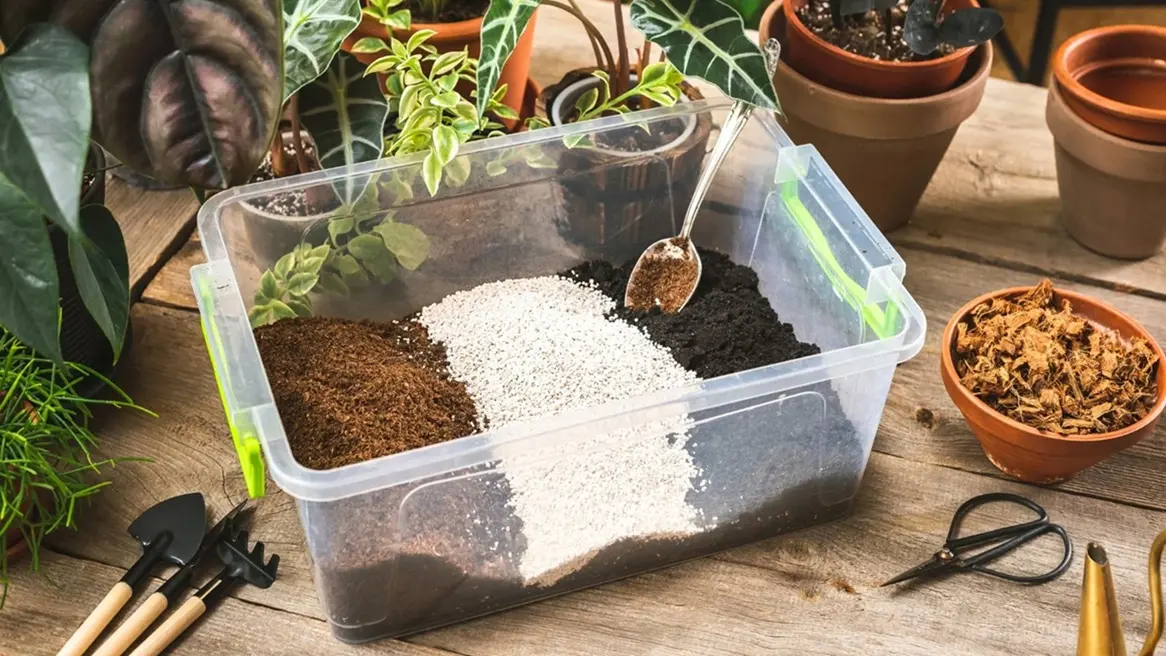
- Fresh potting mix
- Clean pots with drainage holes
- Water
That’s it. Spider plants don’t require any special products for dividing.
How to Divide a Large Spider Plant Without Damaging It – Step By Step
Step 1: Remove the Plant From the Pot
Gently tip the pot on its side and slide the plant out.
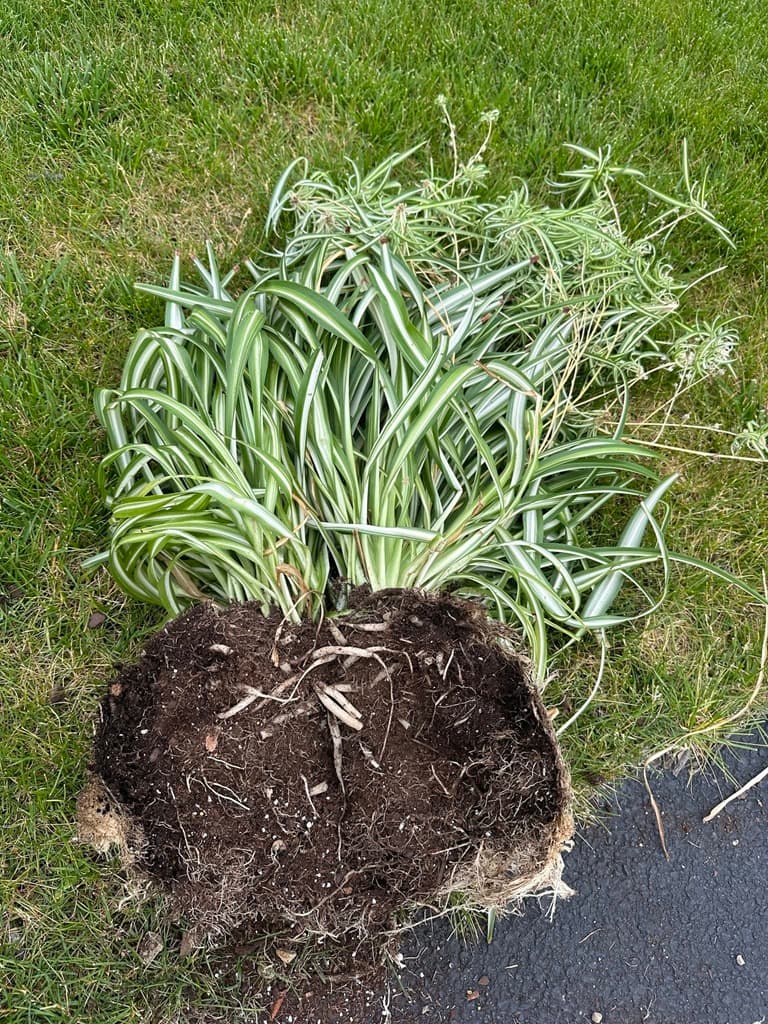
Older spider plants often come out as one solid root ball because the roots have completely filled the container.
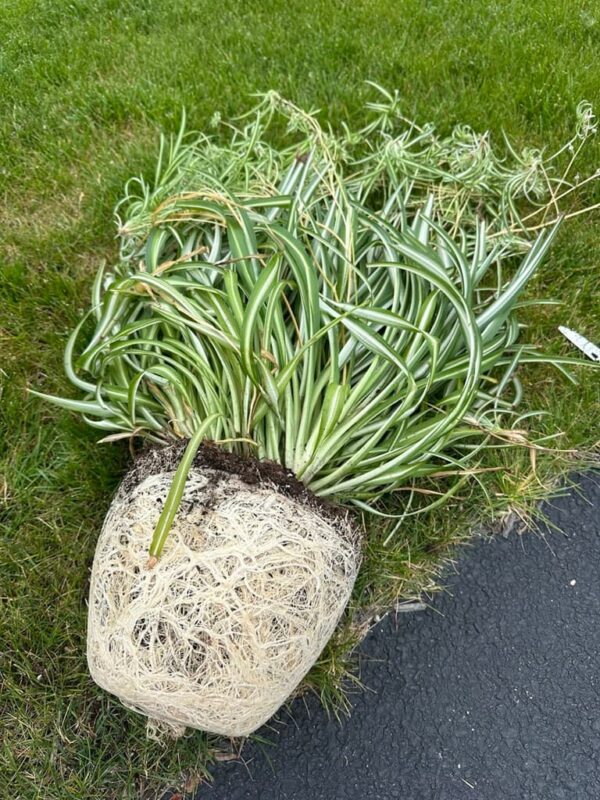
Removing a mature spider plant from its pot before dividing.
Step 2: Look for Multiple Crowns
Instead of cutting randomly through the plant, look at the base where the leaves emerge.
Most mature spider plants naturally form separate crowns, each with its own root system.
These natural divisions make separating the plant much easier.
Step 3: Separate the Spider Plant
Some spider plants can simply be pulled apart by hand.
If the roots are tightly woven together, use a clean knife to cut between the crowns.
Don’t worry about cutting some roots.
Spider plants have thick, vigorous root systems and recover remarkably well after division.
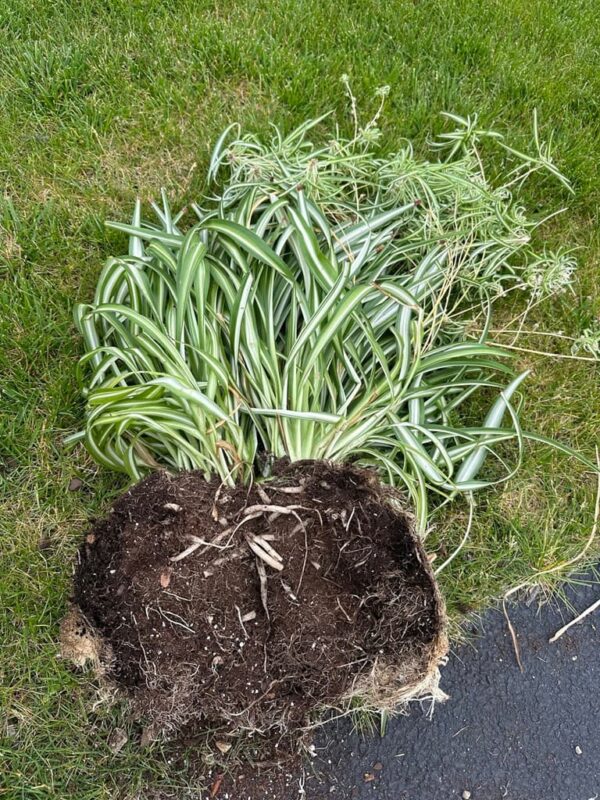
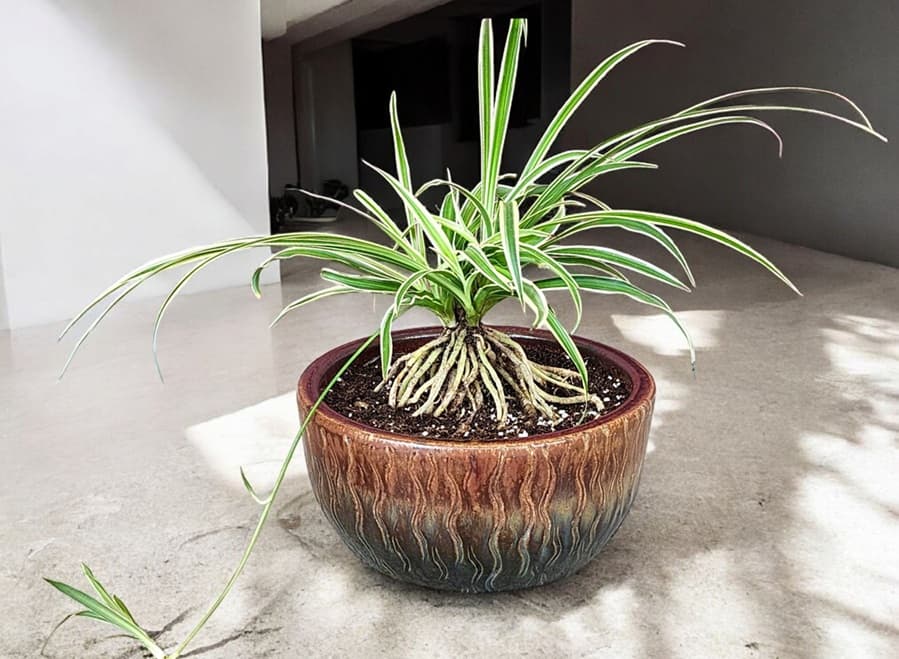
Healthy roots before dividing a mature spider plant.
Step 4: Final Spider Plant Division
This spider plant had grown into one massive clump over time.
After removing it from the pot, I separated it into two healthy plants.
Each division had its own crown and plenty of healthy roots, making it an excellent candidate for dividing.
Instead of one oversized plant, I now have two vigorous spider plants with plenty of room to continue growing.
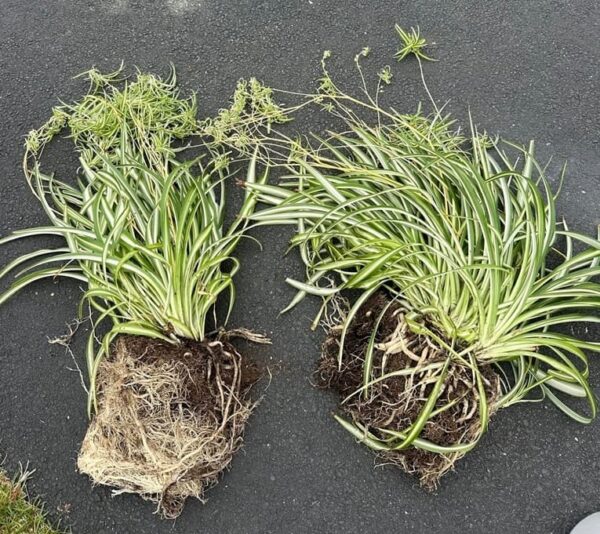
Two healthy spider plants after being divided
Step 5: Repot Each Division
Plant each new division into fresh potting mix.
Choose pots that are only slightly larger than each root system.
Spider plants actually prefer being somewhat snug, so avoid oversized pots.
After planting, water thoroughly until water drains from the bottom of the pot.
Give Them Time to Adjust
Your newly divided plants may look slightly droopy for a few days.
That’s completely normal.
Keep them in bright, indirect light and allow the soil to remain lightly moist while the roots settle into their new containers.
Most spider plants recover surprisingly quickly from diving and repotting.
If you’re not sure whether your spider plant has outgrown its pot, read my guide on how to tell when to repot a spider plant if it is root bound.
Tips for Dividing Spider Plants
Is it Time to Divide Your Root Bound Spider Plant?
After dividing many spider plants over the years, here are a few things I’ve learned:
- Don’t be afraid of the thick roots—they’re much tougher than they look.
- Fresh potting mix helps the plant establish faster.
- Avoid moving into pots that are dramatically larger than the root system.
- Water thoroughly after repotting.
- Give the plant a week or two to adjust before expecting lots of new growth.
Final Thoughts
Dividing a spider plant is an easy way to manage an overgrown plant while creating healthy new ones. Although cutting into a mature plant can seem intimidating, spider plants are incredibly resilient and usually bounce back quickly with fresh soil, adequate water, and bright indirect light.
If your spider plant has developed multiple crowns and is taking over its pot, dividing it may be exactly what it needs.