Air Propagation for Spider Plant Babies (No Water Method)
What Is Air Propagation for Spider Plant Babies?
Air propagation is a method of rooting spider plant babies (spiderettes) without placing them in water or directly into soil. Instead, the plantlets are kept in a humid environment where moisture in the air encourages roots to develop naturally at the base.
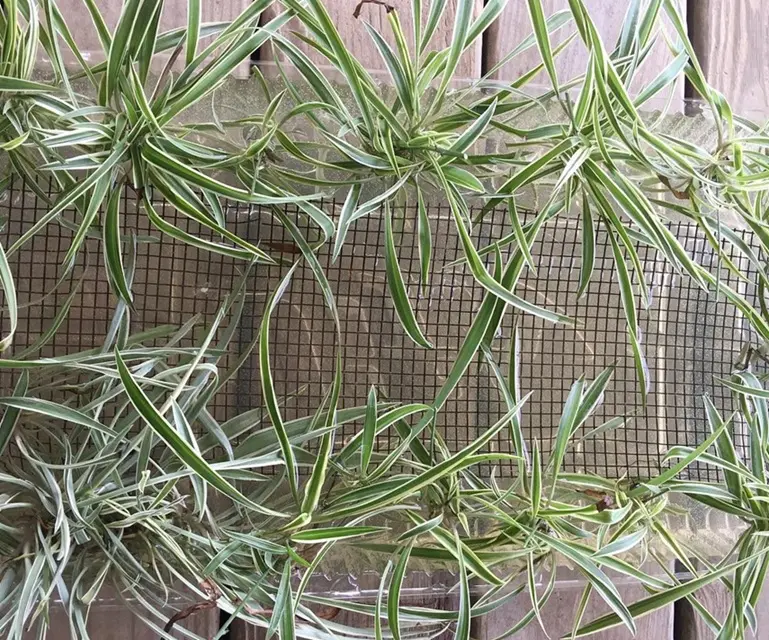
In this setup, the spider plant babies are typically placed on a surface like mesh or a tray inside a container that traps humidity. The base of each baby remains exposed to air, but the surrounding moisture prevents it from drying out. This allows roots to form without the risks that sometimes come with water propagation, such as rot or weak root systems.
This method mimics how spider plant babies naturally root when they come into contact with soil while still attached to the parent plant, making it a more gradual and controlled way to start new plants.
How to Propagate Spider Plant Babies Without Water
Spider plant babies don’t actually need to sit in water to grow roots. In fact, they’re already designed to root on their own when conditions are right. By using a simple humidity-based setup, you can encourage strong, natural root development without the risk of rot that often comes with water propagation.
This method keeps things controlled, low-maintenance, and closer to how spider plants grow in real conditions. Here’s exactly how to propagate spider plant babies without using water:
To propagate spider plant babies without water, place the spiderettes in a humid environment such as a covered container, keeping them in bright, indirect light. Do not submerge them. Instead, allow the base to stay slightly moist from humidity until
Steps:
- Cut or remove a healthy spider plant baby
- Place it in a humidity container (no water)
- Keep in bright, indirect light
- Maintain light moisture in the air (not soaking)
- Wait for roots to grow (1–2 weeks)
- Transfer to soil once roots are established
Why Use a No Water Propagation Method?
Water propagation is popular because it’s simple and visible, but it isn’t always the most stable method for long-term growth. Spider plant babies grown in water develop roots that are adapted to that environment, and those roots have to adjust again once transferred to soil.
With air propagation, the roots begin forming in conditions closer to their final growing environment. This often results in stronger, more adaptable root systems that transition into soil more easily.
Another advantage is reduced risk of rot. Since the base of the spiderette isn’t sitting in water, there’s less chance of the stem becoming soft or damaged. This can be especially helpful if you’ve had issues with cuttings turning mushy during water propagation.
It’s also a more controlled method. You’re managing humidity instead of relying on standing water, which gives you more flexibility depending on your environment.
How to Set Up Air Propagation for Spider Plant Babies
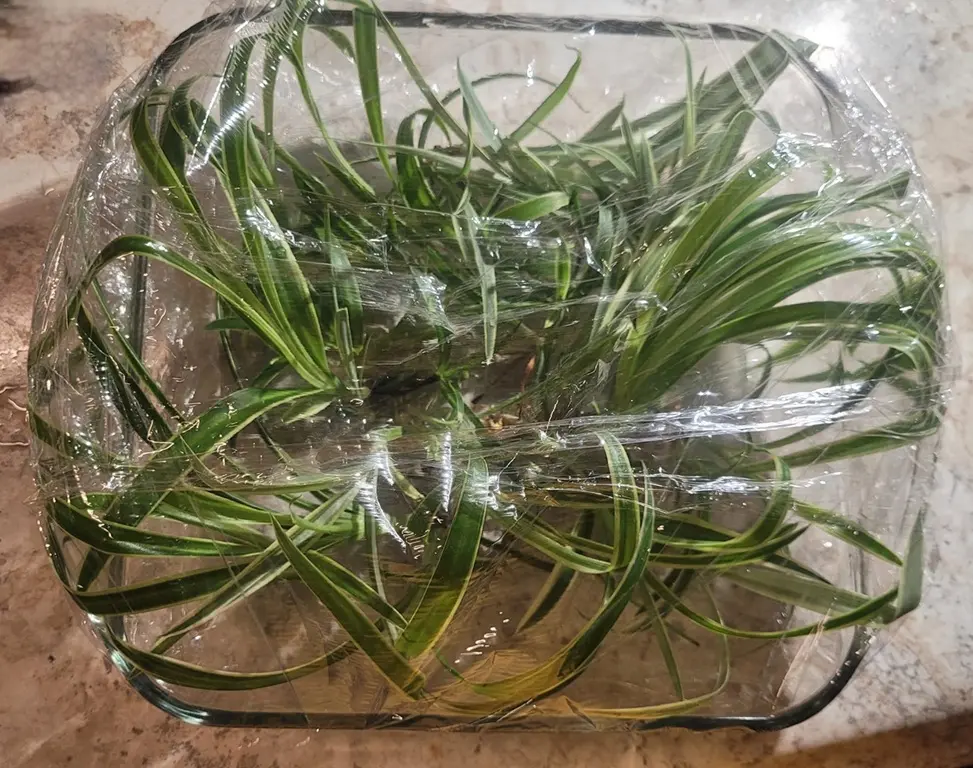
How to Set Up a Humidity Container for Spider Plant Air Propagation
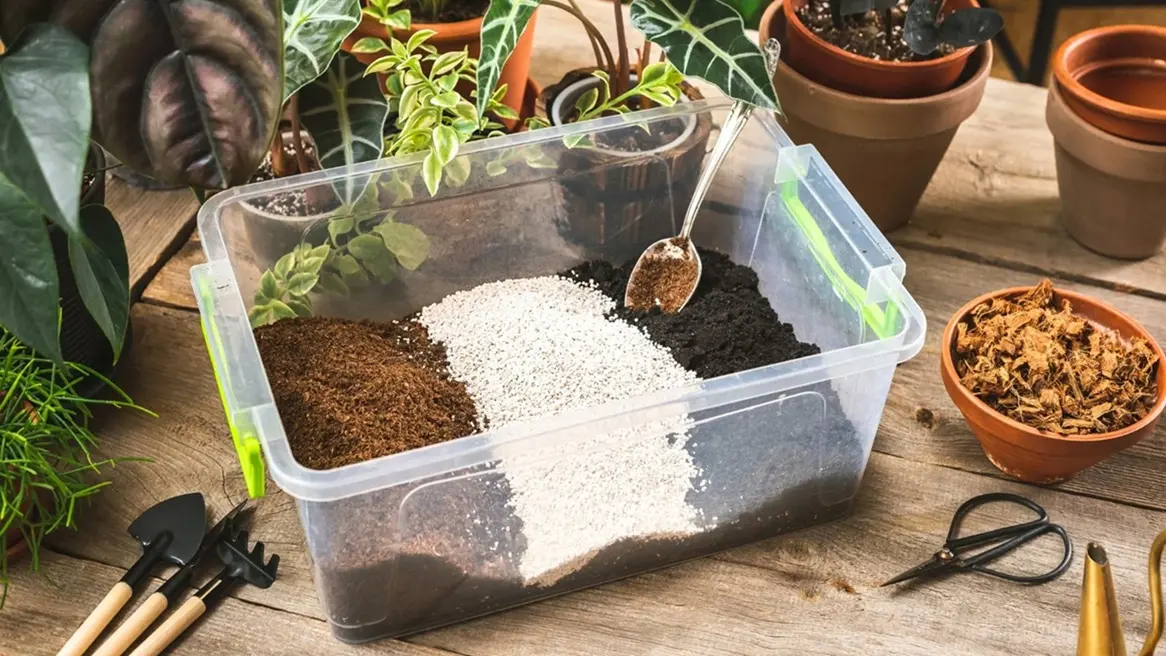
To set this up, you don’t need anything complicated. A clear container with a lid, a shallow tray or mesh surface, and a way to maintain moisture are enough to get started.
Place the spider plant babies so that their base rests lightly against the surface. They don’t need to be buried or submerged—just stable and in contact with something they can root against. The container should allow light in while holding humidity inside.
Lightly mist the inside of the container or the surface as needed to keep the environment slightly humid, but not wet. The goal is consistent moisture in the air, not standing water.
Keep the container in bright, indirect light. Avoid direct sun, as it can overheat the space quickly and dry things out or damage the plantlets.
How Long It Takes for Spider Plant Babies to Root
Rooting time can vary depending on light, temperature, and overall conditions, but most spider plant babies will begin forming roots within one to two weeks in a stable environment.
Early roots may appear as small white nubs at the base, gradually extending as conditions remain consistent. Because this method doesn’t involve water, the process can sometimes look slower at first, but the roots that develop are often more suited for soil from the start.
You’ll know they’re ready when the roots are long enough to anchor into soil and the plantlet feels stable when handled. At that point, they can be transferred without needing a long adjustment period.
When to Move Air-Propagated Spiderettes to Soil
Once roots are visible and have reached around 1–2 inches in length, the spider plant babies can be planted into a well-draining soil mix. At this stage, they’re ready to begin normal growth and establish themselves as independent plants.
When planting, keep the soil slightly moist for the first couple of weeks to help the roots settle in. Since these roots developed in a humid environment rather than water, they typically adjust more smoothly and don’t go through the same transition shock.
Avoid overwatering during this stage. The roots are still developing, and too much moisture can slow progress or cause stress.
Common Mistakes with Air Propagation
One of the most common mistakes is keeping the environment too wet. High humidity is helpful, but excess moisture without airflow can lead to mold or rot. The container should feel humid, not damp.
Another issue is placing the setup in direct sunlight. Because the container traps heat, even mild sun exposure can raise the temperature quickly and damage the spider plant babies.
Lack of consistency is another problem. Letting the environment dry out completely between misting can slow down root formation. Keeping conditions steady is more important than trying to correct things after they fluctuate.
Is Air Propagation Better Than Water or Soil?
Air propagation isn’t necessarily better than every other method, but it offers a strong alternative depending on what you’re trying to achieve. It’s also gentler on the spiderette.
Compared to water propagation, it reduces the risk of rot and eliminates the need for roots to transition later. Compared to direct soil planting, it gives you more control over moisture and visibility during the early stages.
For many growers, it becomes a preferred method when they want a balance between control and long-term root strength. It’s especially useful if you’ve had inconsistent results with other approaches.
Final Thoughts on Air Propagation for Spider Plant Babies
Air propagation offers a simple, controlled way to root spider plant babies without relying on water or immediate soil planting. By focusing on humidity and stability, it encourages roots to form in a way that’s closer to how the plant would naturally grow.
Like any propagation method, success comes down to consistency. Stable light, moderate humidity, and avoiding extremes will produce the best results over time.
If you’re looking for an alternative to traditional methods or want to reduce the risk of rot and transplant shock, this approach is worth trying. Once established, the resulting plants transition easily into soil and continue growing without interruption.