How To Get More Spider Plant Babies and Flowers
What helps spider plants produce more babies and flower?
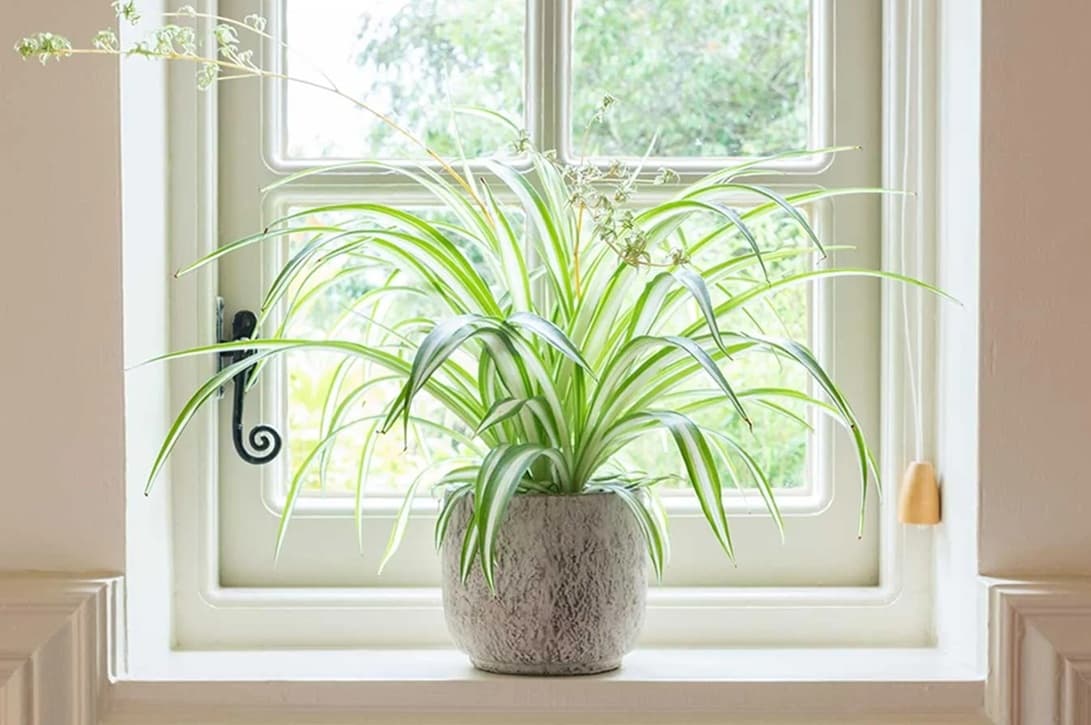
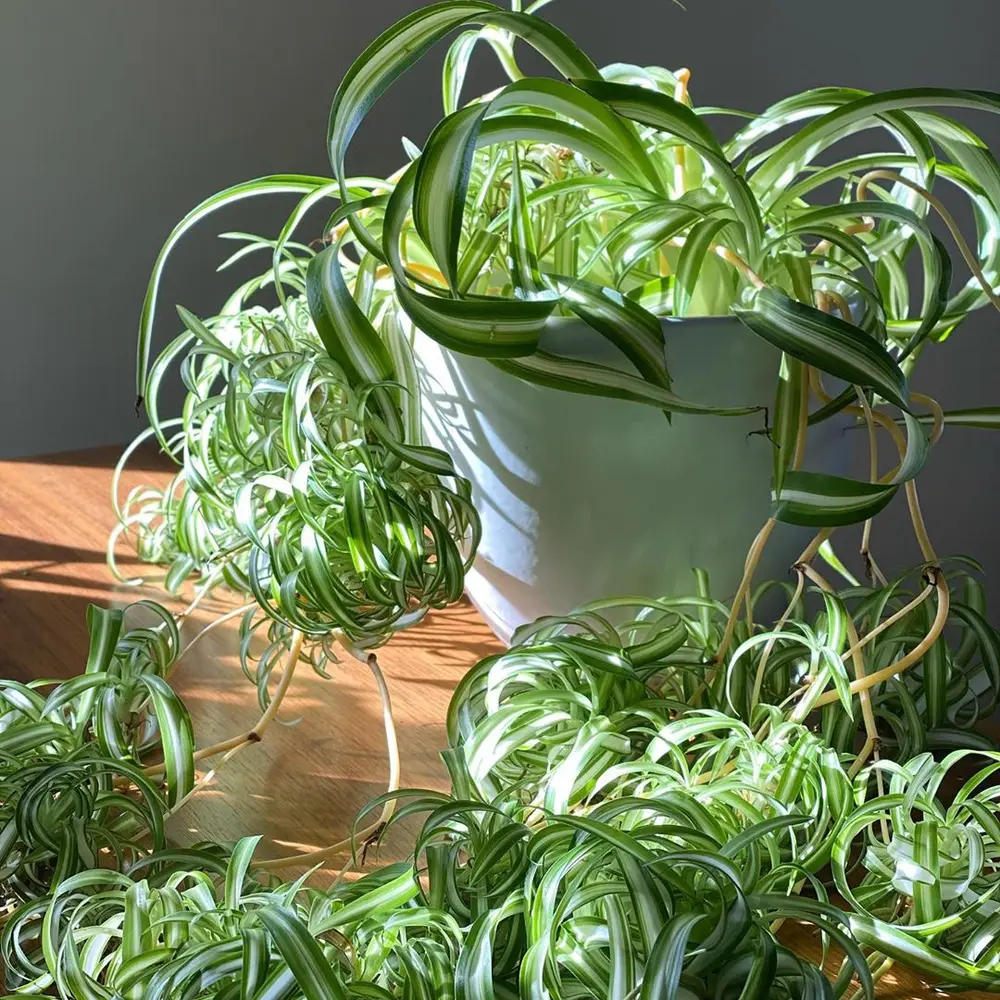
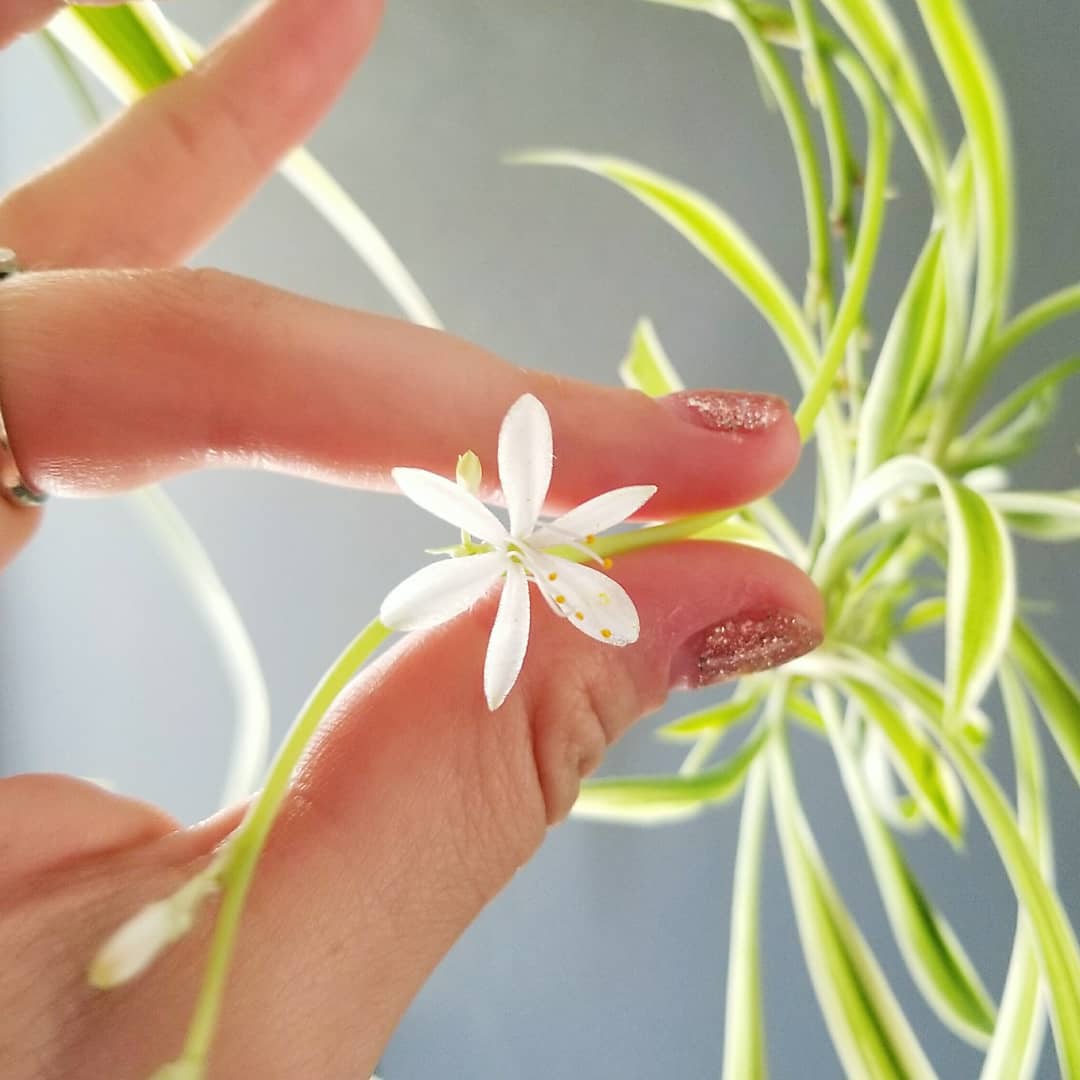
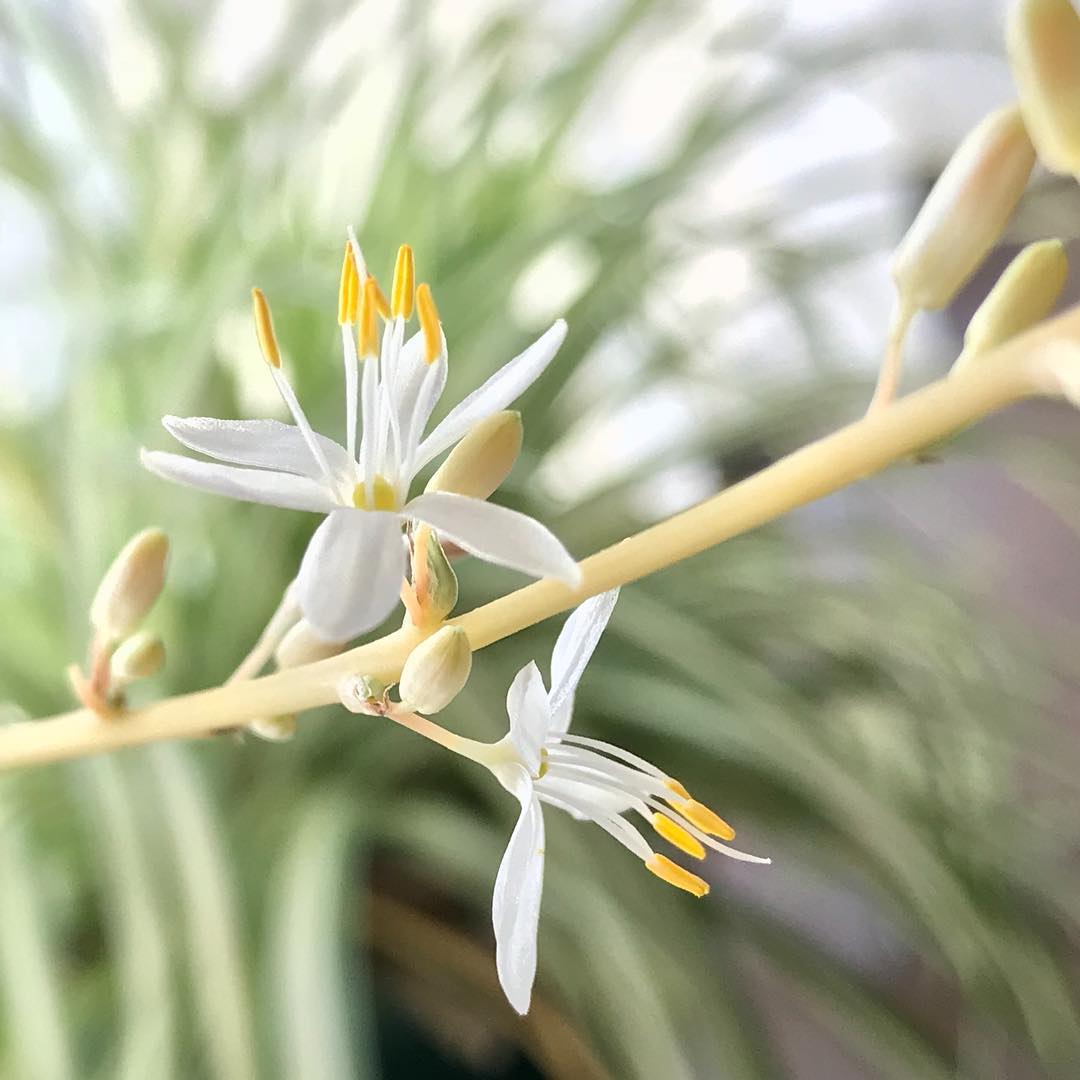
Spider plant “babies” grow from long stems that usually appear after the plant flowers. Those small white blooms are the first step, so if you want more babies, focus on encouraging flowering first.
To encourage spider plants (Chlorophytum comosum) to bloom and produce more babies (spiderettes), provide bright, indirect light, keep them slightly root-bound in their pots, and maintain consistent, moderate watering.
Promoting a “happily stressed” state by allowing them to become slightly root-bound, keeping them in temperatures between 60-75°F, and occasionally letting the top inch of soil dry out stimulates reproduction.
Read on to earn how to encourage spider plant flowers and baby spider plants called spiderettes. This guide covers why some plants never bloom, what helps trigger flowers, how babies form on runners, and the simple care tips that lead to a fuller, more productive spider plant.
Why do spider plant flowers matter?
Flowers on spider plants (Chlorophytum comosum) matter because they signify a mature, healthy, and thriving plant, often indicating it is properly cared for, slightly root-bound, and ready to produce “pups”. These small white blooms appear on long stems, signaling the start of the plant’s reproductive cycle where flowers turn into baby plantlets.
Flowers on spider plants (Chlorophytum comosum) matter because they signify a mature, healthy, and thriving plant, often indicating it is properly cared for, slightly root-bound, and ready to produce “pups”. These small white blooms appear on long stems, signaling the start of the plant’s reproductive cycle where flowers turn into baby plantlets.
How To Get More Spider Plant Babies and Flowers
Horizontal Growth
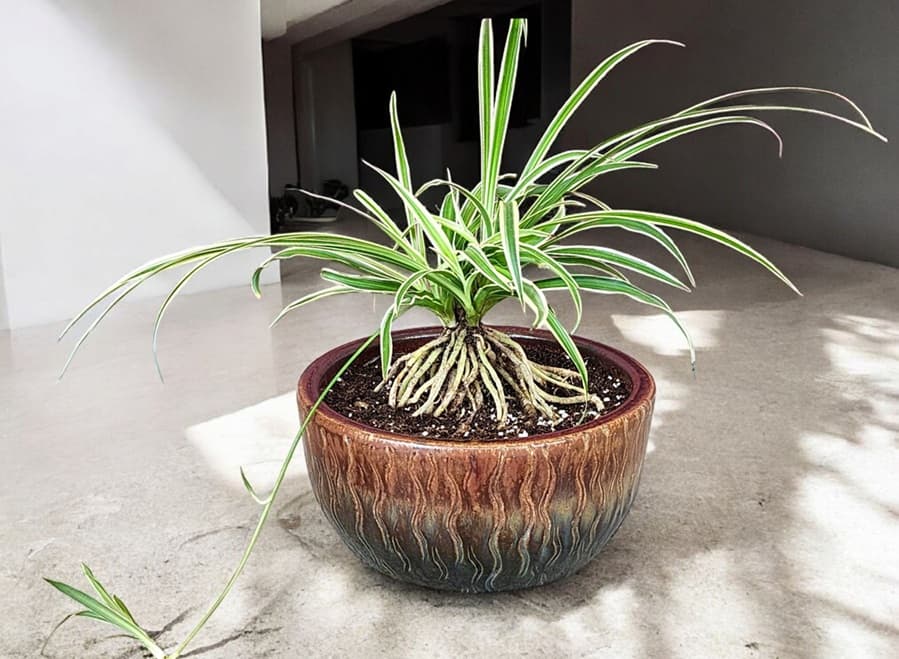
Wider pots accommodate the spider plant’s natural root pattern, which benefits from horizontal expansion.
Root-Bound Preference
These plants actually thrive when they are slightly “snug” or root-bound. This crowded environment often encourages them to produce more flowers and “pups” (plantlets).
Avoid Over-Sizing Plant Pots
Using a pot that is too deep or too large can lead to waterlogging at the bottom, increasing the risk of root rot because there aren’t enough roots to absorb the excess moisture.
The “1-2 Inch” Rule: When repotting, choose a container that is only 1–2 inches wider than the current root ball.
Recommended Pot Types
Hanging Baskets
Their trailing nature makes them ideal for hanging pots, which naturally tend to be wider and shallower than floor planters.
Terra Cotta Pots
For tabletop displays, porous materials like terra cotta are often recommended because they help the soil dry out faster, preventing soggy roots.
Drainage is Critical
Regardless of shape, the pot must have drainage holes to prevent water from sitting at the bottom.
If Your Spider Plant Makes Leaves but No Flowers
Usually the cause is one of these:
- not enough light
- pot too large
- too much nitrogen fertilizer
- plant too young
- inconsistent watering
Best Quick Fix
Move it to brighter indirect light, keep it slightly root bound, and feed lightly in spring. That usually gives the biggest improvement.
Key Tips for More Spider Plant Babies and Blooms:
To make spider plants produce babies (plantlets), ensure they are mature (usually over a year old), root-bound in a smaller pot, and exposed to bright, indirect sunlight. Allowing the soil to dry out completely between waterings and keeping them in lower light during fall can also trigger the plant to “stress” and produce more offspring.
To maximize spider plant babies and blooms, ensure bright, indirect light, slightly root-bound conditions in a snug pot, and consistent, moderate watering. Encourage blooming by maintaining temperatures between 65–75°F, feeding with balanced fertilizer, and providing high humidity. Propagate babies by rooting them in water or directly in well-draining soil once they have developed small aerial roots.
Spider plant flowers and babies are two of the most rewarding signs of a happy, mature plant. Flowers often appear first, followed by runners and baby spider plants called spiderettes. With steady care, bright indirect light, and patience, your spider plant can reward you with both beautiful blooms and new plants to grow, share, or enjoy. 🌸🌿