What Is the Best Soil for a Spider Plant? Potting Mix, Drainage & Care
Choosing the Right Soil Mix for Spider Plants
What is the best soil for repotting spider plants?
Choosing the right soil is one of the most important parts of keeping a spider plant healthy. While these plants are known for being low-maintenance, the wrong soil can quickly lead to problems like poor drainage, root rot, or slow growth.
Spider plants do best in a mix that holds some moisture but still drains well, allowing the roots to breathe and stay healthy. Getting this balance right makes a noticeable difference in how full, vibrant, and fast-growing your plant becomes. In this guide, we’ll break down what kind of soil works best, what to avoid, and how to create the ideal mix for long-term growth.
Spider plant soil mix recipe for indoor plants
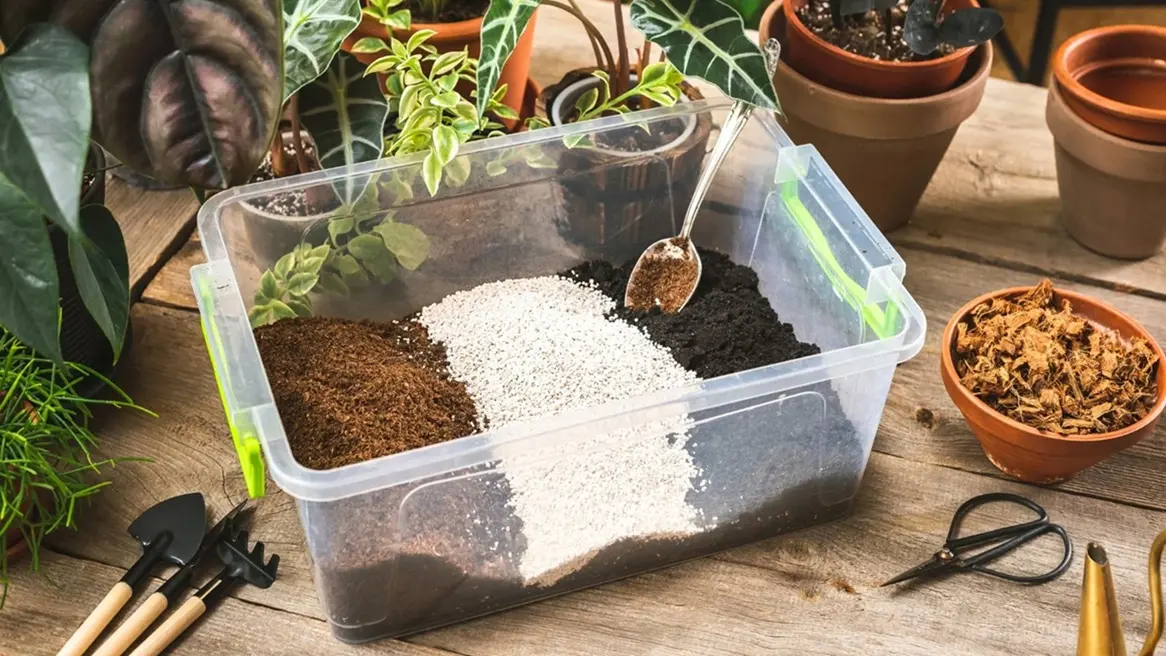
The best soil for repotting spider plants is a well-draining, nutrient-rich potting mix with a pH between 6.0 and 7.5. A high-quality blend includes standard potting soil amended with perlite, pumice, or sand to enhance aeration. A popular, effective spider plant soil mix ratio is: 50% potting soil, 25% vermicompost, and 25% perlite.
If you do not wish to mix your own, I use (and have for many years) a wonderful, light potting mix from The Little Emerald Thumb and Spider Plant Premium Organic Soil Less Potting Mix from ‘RootingForYou’, both small businesses on Etsy.
Why is this my personal choice? Because I have discovered that many commercial potting soils and mixes ALREADY contain pests such as fungus gnats, as well as soil ‘additives’ that do NOT support spider plant growth.
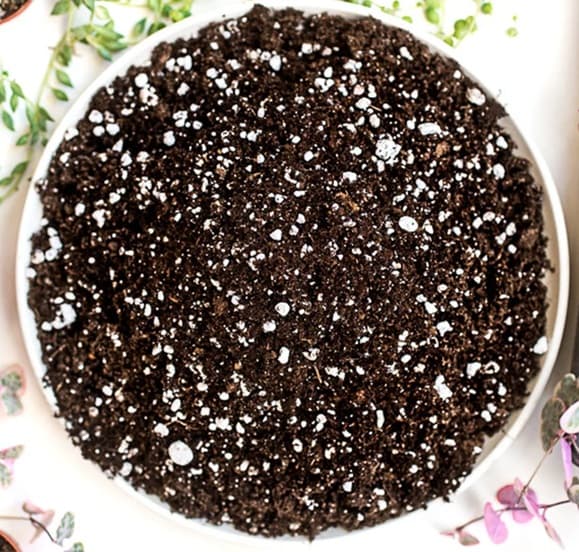
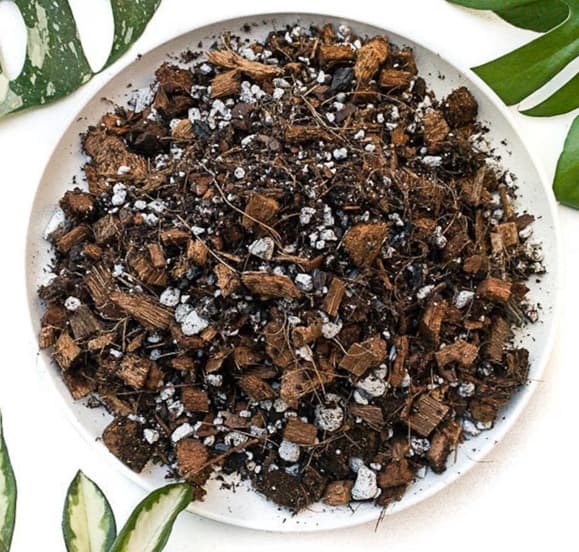
Ideal Soil Composition Components for a Spider Plant:
Base: High-quality indoor potting soil.
Drainage Boosters: Perlite, orchid bark, or coarse sand.
Moisture/Nutrients: Coconut coir or compost (avoid excessive peat moss)
Key Considerations:
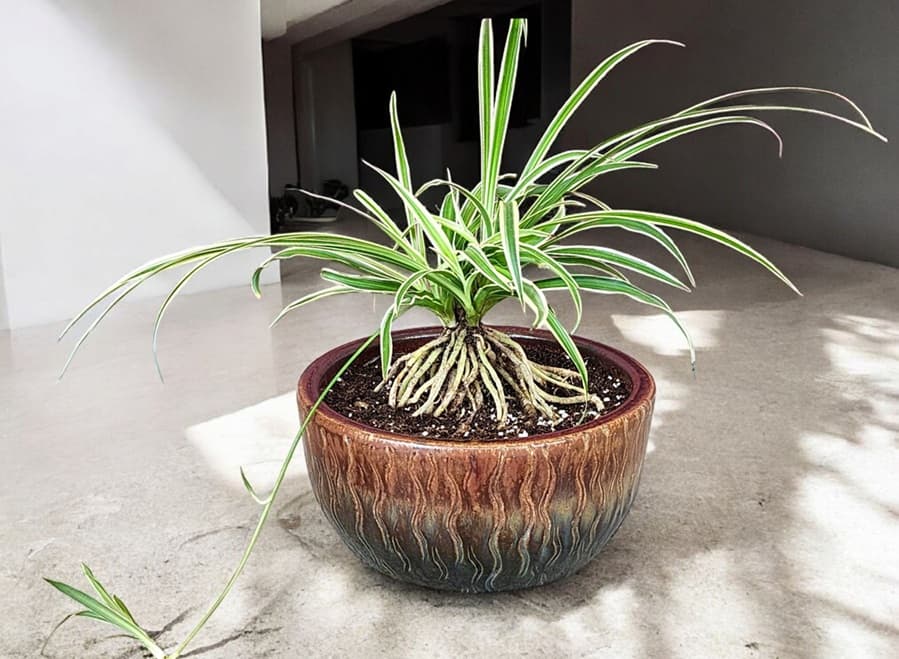
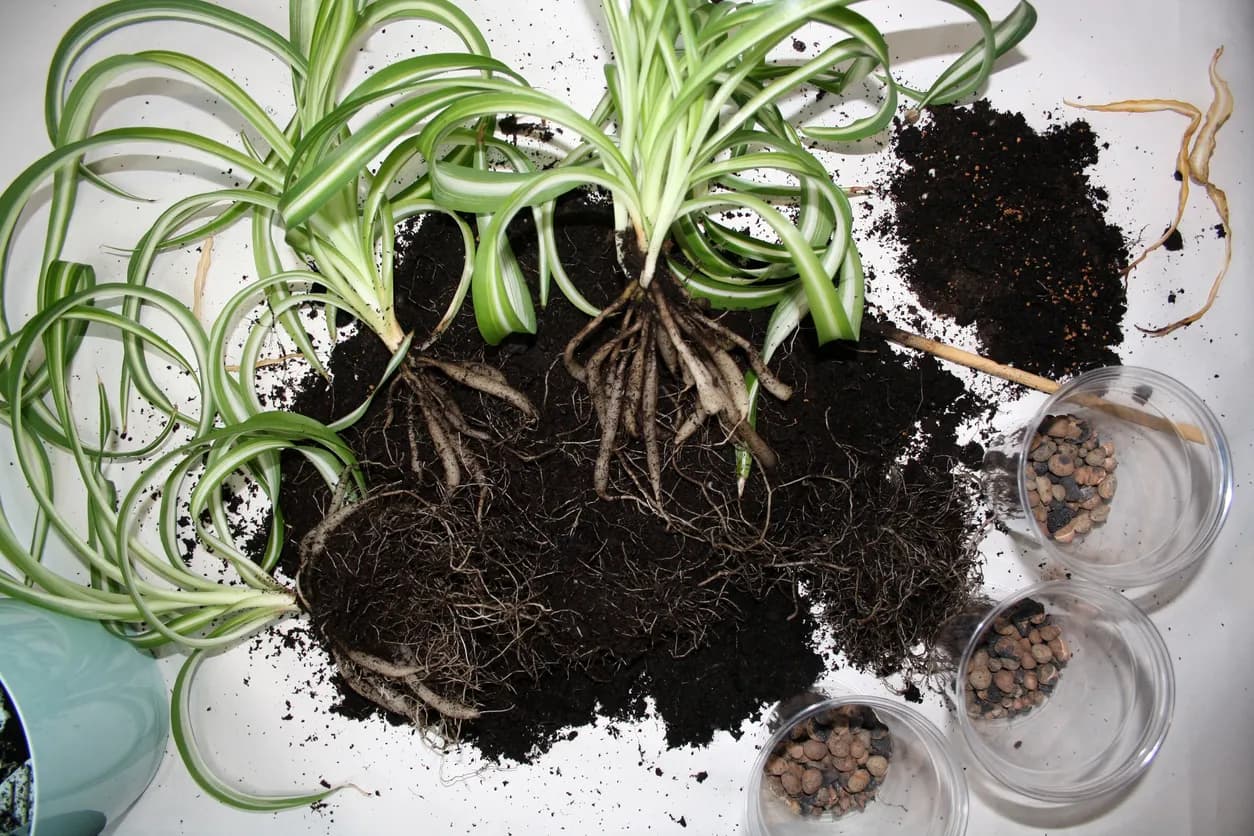
Drainage is Critical: Spider plants (Chlorophytum comosum) possess thick, tuberous roots that store water, making them susceptible to root rot if left in soggy soil.
Lightweight Mix: Use a loose, airy mix that does not compact easily.
Commercial Options: Use a general-purpose potting mix, Miracle-Gro Moisture Control Potting Mix, or a cactus/succulent mix for superior drainage.
Avoid: Dense garden soil, which is too heavy and retains too much water.
Homemade Potting Mix Recipe for Spider Plants Simple & Inexpensive
Spider plant soil mix ratio
2 parts Potting Soil
1 part Perlite Pumice, or Sand
1 part Coco Coir or Compost
What is the best soil mix for spider plants?
The best kind of soil for a spider plant is a well-draining, loose potting mix that can retain some moisture without becoming waterlogged.
While spider plants are adaptable and can grow in various soil types, they thrive most in a light, airy medium that prevents their thick, tuberous roots from rotting.
Commercial potting mixes can be bad for spider plants (Chlorophytum comosum) because they are often too dense, retaining excessive moisture that leads to root rot.
Marketed for houseplants, many standard potting mixes lack the necessary aeration, causing suffocation of the spider plant’s thick, water-storing tuberous roots and inviting fungus gnats.
Ideal Soil Characteristics
Recommended Spider Plant Soil Mixes
You can check out the high-quality pre-mixed blends that I use for my spider plants linked above, choose the best commercial mix that I recommend, or create your own custom mix.
Final Thoughts on Choosing the Right Soil for Spider Plants
Choosing the right soil for a spider plant doesn’t have to be complicated, but it does make a noticeable difference in how your plant grows and thrives. A well-draining mix that holds just enough moisture helps prevent common problems like root rot while supporting strong, healthy roots. Small adjustments—like improving drainage or refreshing old soil—can go a long way in keeping your spider plant full, vibrant, and producing new growth.
Once you understand what works and what to avoid, it becomes much easier to maintain a healthy plant over time. With the right soil and a consistent care routine, spider plants are incredibly rewarding and resilient, making them one of the easiest houseplants to grow successfully.
If you still have questions about soil, mixes, or repotting, the answers below cover the most common concerns.