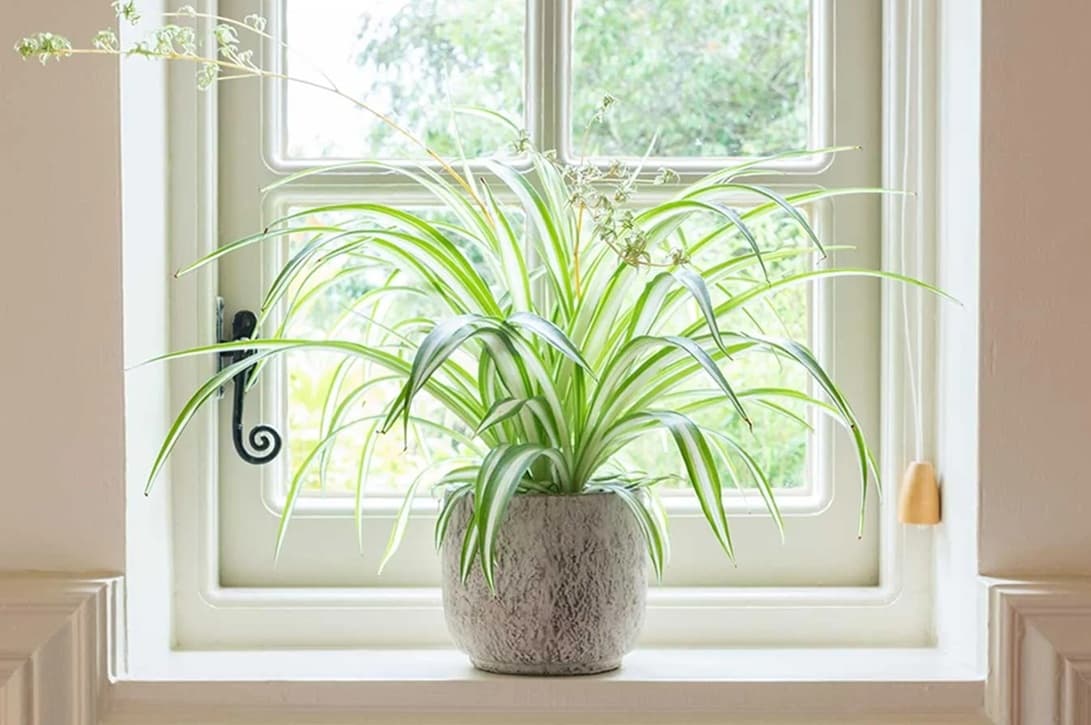
Where to Place a Spider Plant for Positive Feng Shui
How to Position a Spider Plant to Support Positive Energy Flow in Your Home (Best Locations for Energy, Balance, and Abundance)
Spider Plant Feng Shui
Placing a spider plant with intention can do more than improve the look of your space—it can subtly influence how your home feels and functions. In Feng Shui, placement matters just as much as the plant itself. Simply setting a plant anywhere won’t activate its full potential. The goal is to position it where its natural growth energy aligns with areas of your home connected to prosperity, health, and emotional balance.
Feng Shui practitioners commonly recommend placing spider plants in the southeast area of your home, which is associated with wealth and abundance, or in east-facing spaces, which are linked to personal growth, vitality, and new beginnings. These locations support the plant’s natural energy and help it work in harmony with your environment.
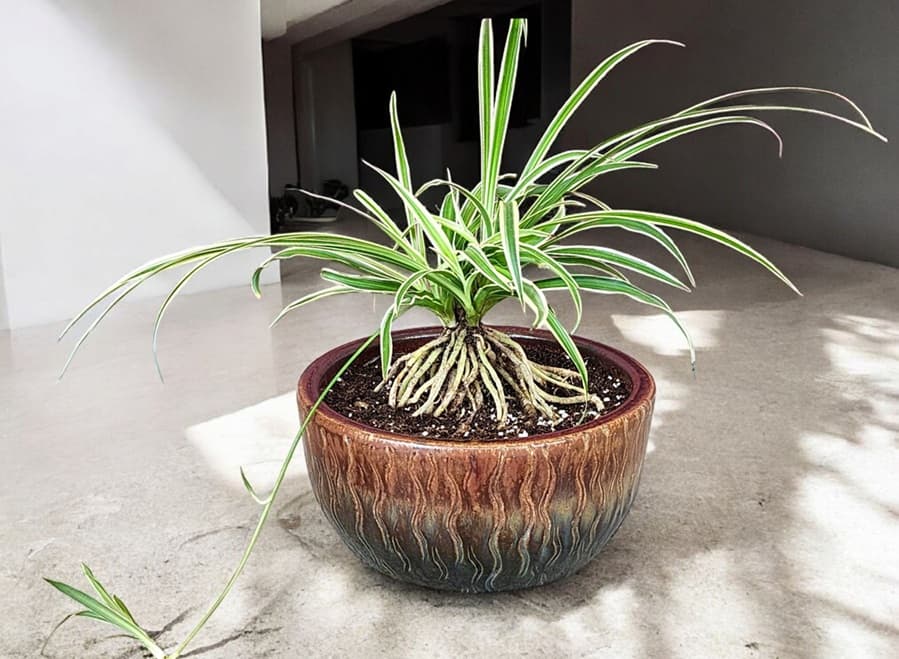
Spider plants are especially valued because of their growth pattern. Their arching, outward-reaching leaves naturally reflect expansion, movement, and renewal. When placed thoughtfully, they can help soften harsh spaces, encourage a calmer atmosphere, and support a sense of steady, positive flow throughout the home.
As more people focus on creating peaceful, restorative living spaces, plants are being used not just for decoration—but as intentional design elements. A well-placed spider plant can contribute to that balance by bringing in a living, growing presence that supports both visual comfort and energetic harmony.
Why Spider Plants Are Considered Auspicious in Feng Shui
Spider plants are widely appreciated in Feng Shui for their ability to support balance, clarity, and a gentle flow of positive energy throughout a space. While they’re commonly known for being easy to care for, their deeper value comes from how their natural structure and growth pattern interact with Feng Shui principles.
In Feng Shui, plants are generally connected to the wood element, which represents growth, expansion, and vitality. Spider plants strongly embody this energy through their continuous production of new leaves and offshoots, making them a symbol of ongoing development and renewal.
However, their energy isn’t limited to just one element. Their long, cascading leaves create a soft, flowing movement that visually echoes the water element, which is associated with adaptability, calmness, and emotional balance. This combination of steady growth and gentle movement is what makes spider plants particularly effective in spaces that feel stagnant or overly rigid.
Their ability to produce baby plants—often called spiderettes—adds another layer of meaning. In Feng Shui, this natural reproduction is associated with abundance, opportunity, and continuity, reinforcing the idea of steady progress and expanding potential.
When viewed as a whole, spider plants offer more than just aesthetic appeal. Their form, growth habit, and movement all contribute to an environment that feels more balanced, more open, and more supportive of positive change.
The Best Rooms to Place a Spider Plant for Feng Shui Balance
Where you place a spider plant isn’t just about direction—it’s also about how each room functions in your daily life. In Feng Shui, different areas of the home carry different types of energy, so placing a spider plant in the right room can help support that purpose rather than disrupt it.
Living rooms and kitchen windowsills are one of the most effective spaces for spider plants because they are naturally high-traffic areas where energy tends to move quickly. The soft, arching leaves help slow and soften that movement, creating a more relaxed and welcoming atmosphere. Placing a spider plant near seating areas or slightly off to the side of a main walkway can help balance the flow without blocking it.
Bedrooms require a more subtle approach. While plants are sometimes debated in Feng Shui bedroom design, a small spider plant placed away from the bed—such as on a dresser or shelf—can introduce gentle, calming energy without becoming overwhelming. The key is restraint; the goal is to support rest, not stimulate growth energy too strongly in a space meant for recovery.
Home offices and workspaces are another ideal placement. The spider plant’s association with growth and steady progress aligns well with productivity and focus. Placing it on a desk corner or nearby shelf can help create a more grounded, less sterile environment while subtly reinforcing forward movement and clarity.
Where NOT to Place a Spider Plant (Common Feng Shui Mistakes)
Just as placement can enhance energy, poor positioning can disrupt it. One of the most common mistakes is placing a spider plant in areas where energy should remain stable or minimal. For example, bathrooms—while sometimes recommended for plants—can drain energy if not balanced properly, making them less ideal for a plant meant to symbolize growth and abundance.
Another area to avoid is directly in pathways or tight walkways. Spider plants naturally spread outward, and when placed in high-traffic zones, they can create visual and energetic clutter. In Feng Shui, blocked or crowded pathways can interfere with the smooth flow of Qi, which works against the calming effect you’re trying to achieve.
Kitchens are also not always the best placement, especially near heat sources. The strong fire energy in this space can clash with the plant’s wood-based energy, creating imbalance rather than harmony. If a spider plant is used in the kitchen, it should be placed away from the stove and in a location where it can maintain its natural vitality.
Finally, avoid placing a spider plant in dark, neglected corners. A struggling plant does not promote positive energy. In Feng Shui, the condition of the plant matters just as much as its placement. Healthy, thriving plants support positive flow—while stressed or declining ones can have the opposite effect.
How to Use Intention to Strengthen Feng Shui Spider Plant Placement
In Feng Shui, intention plays a critical role in how objects influence a space. A spider plant placed without thought is simply decoration—but when placed with purpose, it becomes part of a larger energetic design.
Before placing your plant, it helps to decide what you want that space to support. Whether it’s financial stability, personal growth, or a calmer home environment, aligning your intention with the placement location creates a stronger connection between your environment and your goals.
For example, placing a spider plant in the southeast corner with the intention of supporting financial growth reinforces its symbolic association with abundance. Similarly, placing it in an east-facing area with a focus on health or renewal strengthens its connection to vitality and new beginnings.
This doesn’t need to be complicated or ritualistic. Even a simple moment of awareness—choosing the location deliberately rather than randomly—can shift how the space feels over time. Feng Shui is ultimately about creating environments that support you, and intention is what turns placement into something meaningful rather than accidental.
Exact Spider Plant Placement Using the Feng Shui Bagua Map
How to Match Your Spider Plant to Wealth, Health, Career, and Relationship Areas
The Bagua map is one of the easiest ways to decide where a spider plant belongs in your home. In Feng Shui, the Bagua divides a space into energetic areas, each connected to a different part of life, such as wealth, health, relationships, career, creativity, and personal growth. When you place a spider plant in one of these areas with intention, you are matching the plant’s natural growth energy with the part of your life you want to support.
For spider plants, the strongest placements are usually the southeast, east, and sometimes north areas of the home. The southeast corner is connected to wealth, prosperity, and abundance, making it one of the best spots for a healthy spider plant with lots of new growth or spiderettes. The plant’s ability to produce babies can symbolically support expansion, opportunity, and ongoing growth.
The east area is associated with health, family, and vitality. A spider plant placed here can support renewal, balance, and steady personal growth. This is a great location if your goal is to create a calmer, healthier-feeling space rather than focusing only on money or abundance.
The north area is connected to career path and life direction. Because spider plants have flowing, arching leaves, they can also support movement and forward progress when placed thoughtfully in this zone. This works especially well in a home office, workspace, or entry area where you want energy to feel clear and open.
To use the Bagua map simply, stand at your main entrance looking into your home or room. The far left area is typically associated with wealth, the middle left with family and health, and the front center with career.
Once you identify the area that matches your intention, place your spider plant somewhere it can stay healthy, receive bright indirect light, and remain visually uncluttered. In Feng Shui, a thriving plant supports positive energy better than a struggling one, so plant health always matters as much as direction.
How to Place a Spider Plant Based on Feng Shui Energy Areas
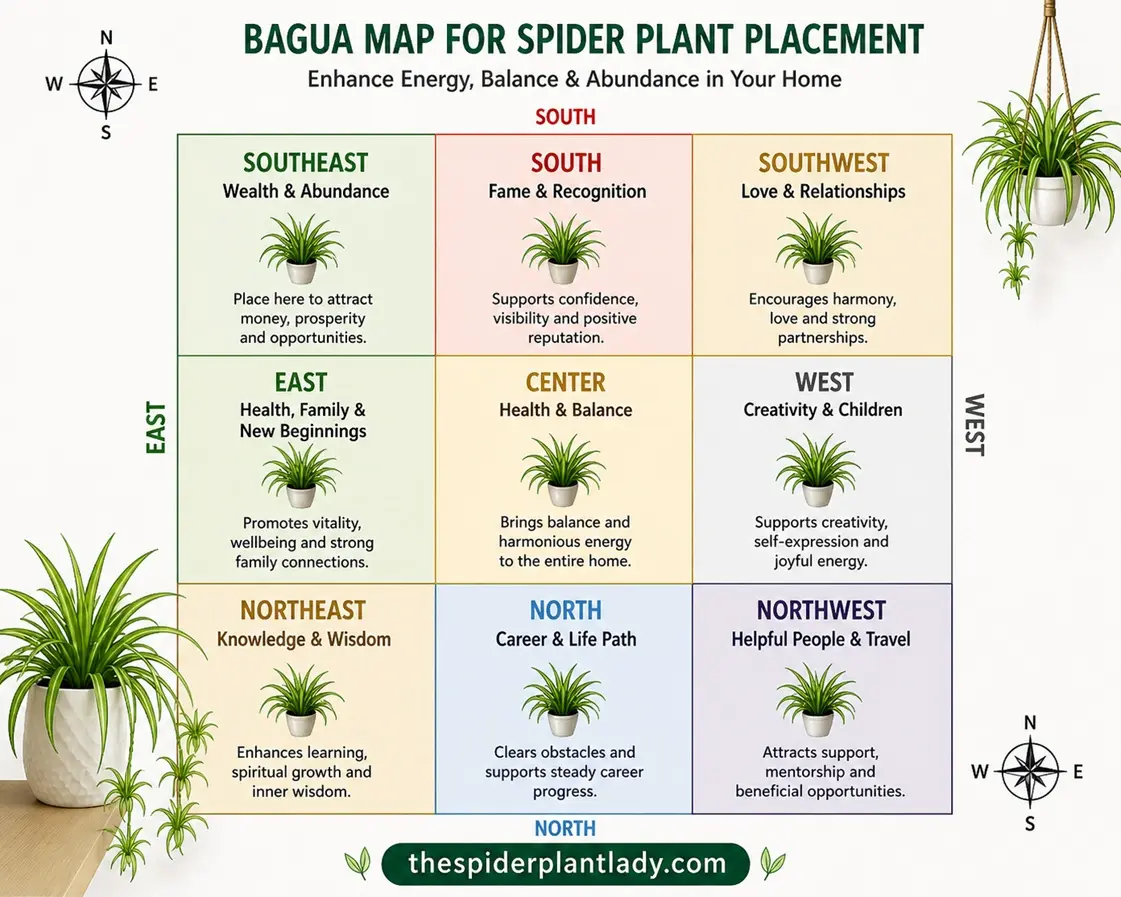
The Bagua map is one of the simplest ways to decide exactly where your spider plant will have the most impact. Instead of guessing, it breaks your home into specific areas that each connect to a part of your life—like wealth, health, relationships, and career. When you place a spider plant in one of these areas with intention, you’re not just decorating—you’re aligning the plant’s natural growth energy with something meaningful in your space.
South East (Wealth & Abundance)
The southeast area of your home is one of the strongest placements for a spider plant. This zone is associated with wealth, abundance, and financial growth. Because spider plants naturally produce offshoots and new growth, placing one here reinforces that sense of expansion and opportunity. If your plant is healthy and actively producing babies, this is the spot where that energy feels the most aligned.
East (Health, Family & New Beginnings)
The east area focuses on health, family, and personal wellbeing. A spider plant placed here supports steady growth and balance, making it ideal for creating a calmer, more grounded environment. This is a good placement if your goal isn’t just abundance, but also stability and overall wellness in your home.
South (Fame & Recognition)
The south area is connected to visibility, confidence, and recognition. While not the most common placement, a spider plant here can support personal growth in a more outward-facing way—especially if you’re building something, putting yourself out there, or focusing on reputation and presence.
North (Career & Life Path)
The north area relates to career, life path, and forward movement. Spider plants work well here because of their flowing, arching leaves, which naturally reflect motion and progression. Placing one in a home office, entryway, or workspace in this zone can help create a sense of clarity and direction.
Center/Middle (Health & Balance)
The center of the home represents overall balance. A spider plant placed here can help soften the energy of the entire space, especially if your home feels busy or uneven. It’s not about drawing attention—it’s about quietly supporting harmony throughout the environment.
To use the Bagua map in a simple way, stand at your main entrance and look inward. From that perspective, you can roughly divide your space into sections and identify where each area falls. You don’t need perfect measurements—what matters most is placing your spider plant in a location where it can stay healthy, receive proper light, and feel like a natural part of the space.
Because in Feng Shui, a thriving plant will always support better energy than a perfectly placed one that’s struggling.
Final Thoughts on Spider Plant Feng Shui Placement
A spider plant can do more than fill empty space—it can subtly shape how your home feels when it’s placed with intention. In Feng Shui, it’s not just about directions or rules, but about creating balance between your environment and the energy you want to support in your life.
Whether you place your spider plant in the southeast corner to encourage abundance, the east for health and renewal, or a workspace to support focus and forward movement, the key is thoughtful placement combined with proper care. A healthy, thriving plant will always carry stronger energy than one that is struggling, no matter where it’s positioned.
The Bagua map offers a helpful guide, but it doesn’t need to be followed perfectly to be effective. Even small adjustments—like moving a plant into better light or away from clutter—can make a noticeable difference in how a space feels. Over time, these subtle changes add up, creating an environment that feels more calm, balanced, and supportive.
At the end of the day, the goal isn’t perfection—it’s alignment. When your space reflects intention, even something as simple as a spider plant can contribute to a home that feels more grounded, more energized, and more in flow.