How to Fix Brown Tips on a Spider Plant (Causes + Easy Fixes)
Why Spider Plants Get Brown Tips in the First Place
The Most Common Causes Behind Browning Leaf Tips
Brown tips on a spider plant are one of the most common issues plant owners run into—and while they can be frustrating, they’re usually easy to fix once you understand the cause. In most cases, browning happens due to water quality, inconsistent watering, low humidity, or salt buildup from fertilizer.
Spider plants are especially sensitive to chemicals like fluoride and chlorine found in tap water. Over time, these minerals build up in the soil and cause the leaf tips to turn brown. Environmental stress, like dry indoor air or letting the soil dry out too much, can make the problem worse.
The key to fixing brown tips isn’t just trimming them—it’s identifying what your plant is reacting to and correcting it at the source.
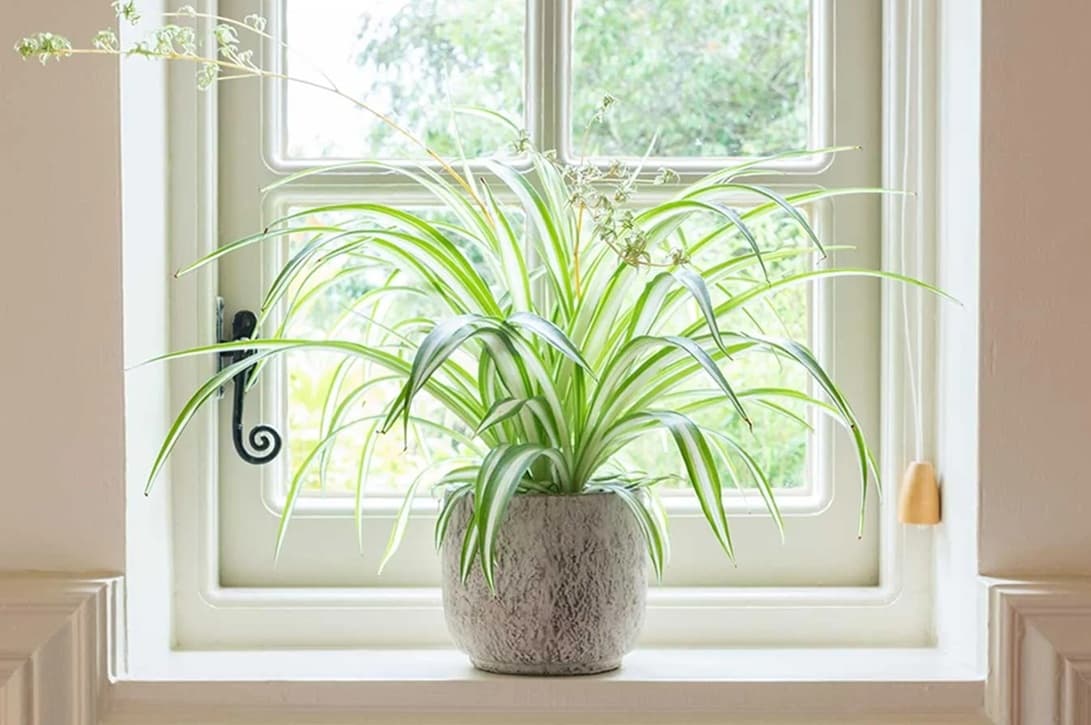
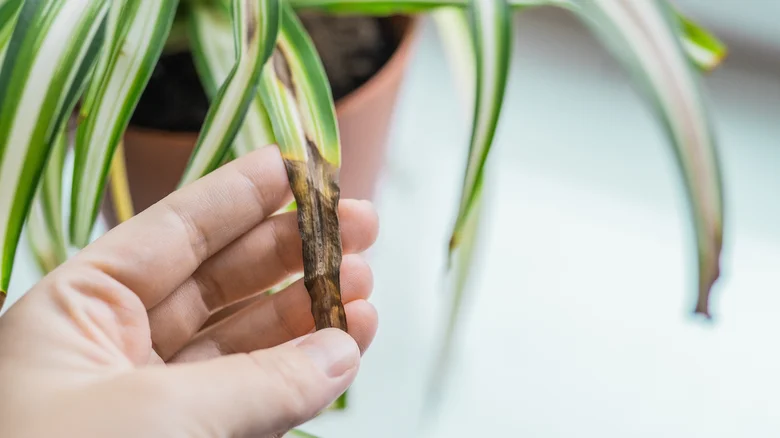
Close-Up of What Brown Leaf Tips on a Spider Plant Look Like
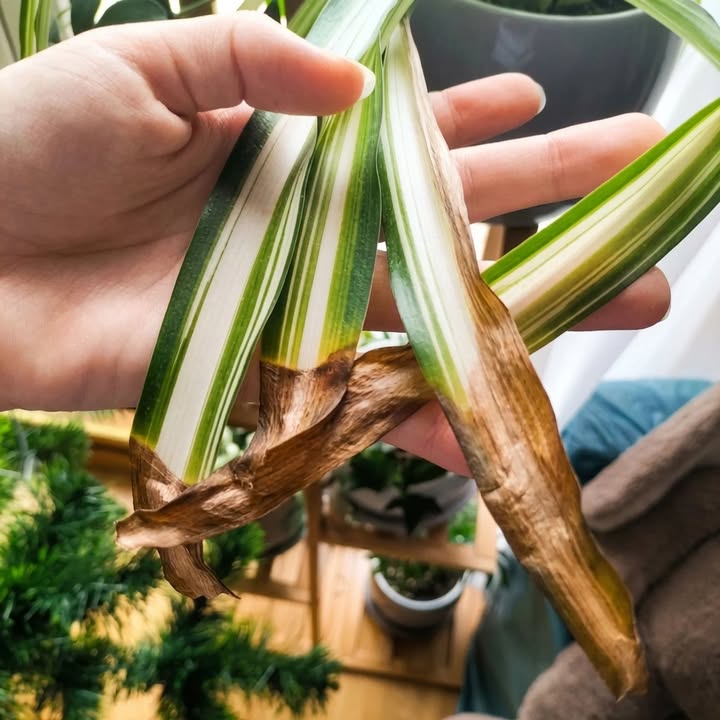
6 Common Causes of Brown Tips on Spider Plants
What’s Actually Causing the Damage
1. Tap Water Chemicals & minerals
Fluoride and salts can cause tip burn. Fluoride and chlorine can build up in the soil and damage the leaf tips.
2. Over-Fertilizing
Too much fertilizer leads to salt buildup, which “burns” the roots and shows up as brown tips. Excess nutrients can damage roots and tips.
3. Low Humidity
Dry indoor air, especially in winter, can cause leaf edges to dry out.
4. Inconsistent Watering
Letting the soil go bone dry or keeping it too wet stresses the spider plant.
5. Poor Drainage
Soil that holds too much water can damage roots and affect leaf health.
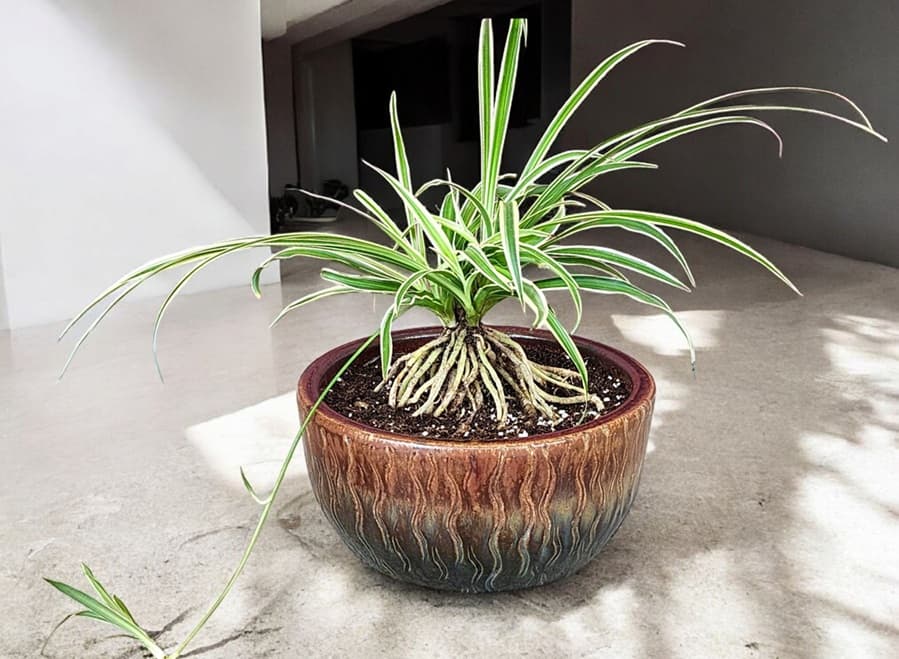
Spider Plant Brown Tips Close-Up
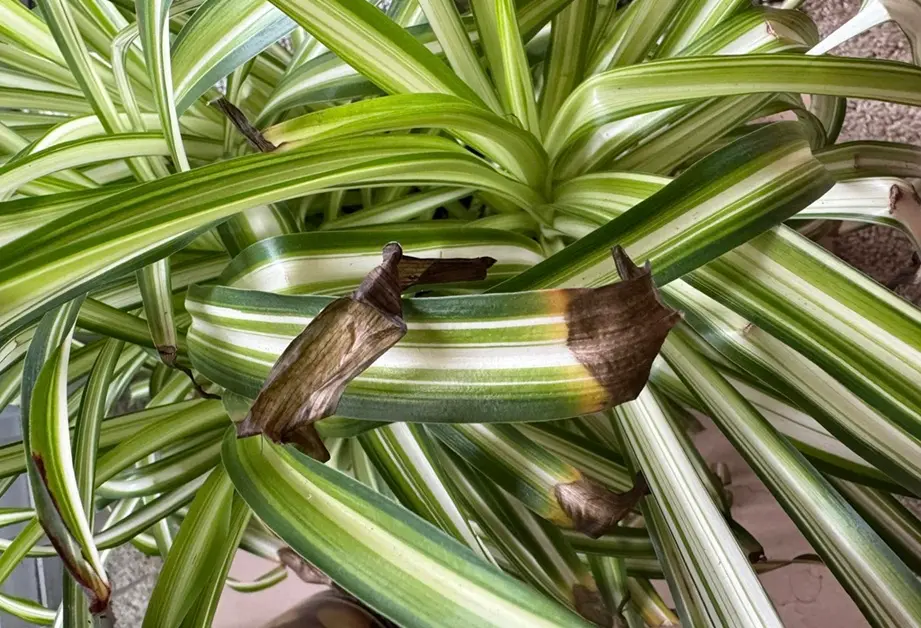
How To Fix Brown Tips on a Spider Plant
Simple Changes That Make a Big Difference
Start by switching to filtered, distilled, or rainwater to prevent mineral buildup. Let the top 1–2 inches of soil dry before watering again, and make sure your pot has proper drainage.
If you’ve been fertilizing frequently, flush the soil with water to remove excess salts, or cut back on feeding altogether. Increasing humidity with a pebble tray or grouping plants together can also help reduce further browning.
These small adjustments usually stop new brown tips from forming within a few weeks.
Should You Cut Off Brown Tips?
When and How to Trim Them Properly
Yes—you can trim brown tips to improve the plant’s appearance, but it’s purely cosmetic. Use clean scissors and cut at an angle that follows the natural shape of the leaf.
Avoid cutting into the healthy green part too much, and remember: if the underlying issue isn’t fixed, the browning will continue.
How to Prevent Brown Tips from Coming Back
Long-Term Care Tips for Healthy Leaves
Prevention comes down to consistency. Use better-quality water, avoid over-fertilizing, and keep your watering routine steady. Place your spider plant in bright, indirect light and maintain moderate humidity levels.
Regularly flushing the soil every couple of months can also help prevent mineral buildup before it becomes a problem.
Final Thoughts on Fixing Brown Tips
Brown tips on spider plants are incredibly common, but they’re rarely a serious issue. Once you adjust water quality, humidity, and feeding habits, new growth should come in healthy and green.
With a few simple changes, your spider plant can quickly recover and go back to producing vibrant leaves and strong, healthy growth.