Turn a spider plant into a bonsai-style plant using controlled root training and structured growth techniques. This guide covers the full process, including setup, shaping, pruning, and long-term care to maintain a compact, balanced plant with exposed roots.
Learn the best spider plant Feng Shui placement for positive energy, balance, and abundance. Discover where to place your spider plant using the Bagua map, ideal room locations, and common mistakes to avoid for better energy flow in your home.
Create a spider plant baby fairy garden using a misting propagation method that roots spiderettes without water. This unique and creative approach supports humidity, gentle rooting, and creative displays while growing healthy spider plant babies in moss-based environments.
Air propagation for spider plant babies without water. This method uses humidity to root spiderettes faster, reduce rot risk, and grow stronger roots ready for soil. Step-by-step setup, timing, and how to transfer successfully.
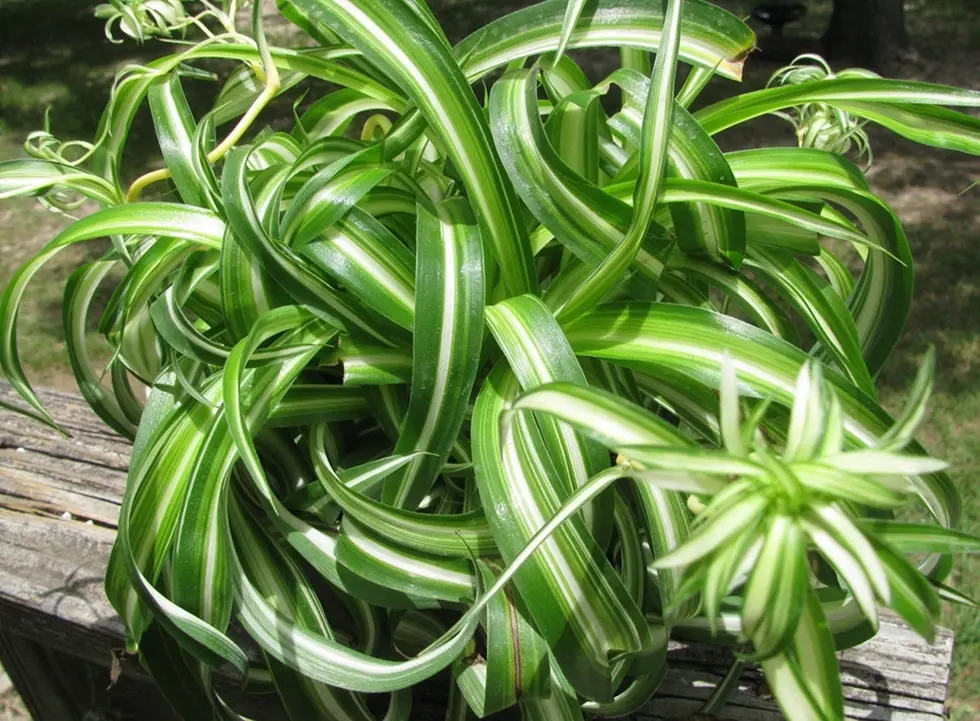
Curly Bonnie spider plant care guide for indoors, covering light, watering, soil, and common problems. Keep your plant full, maintain tight curl, prevent brown tips, and support healthy, consistent growth.
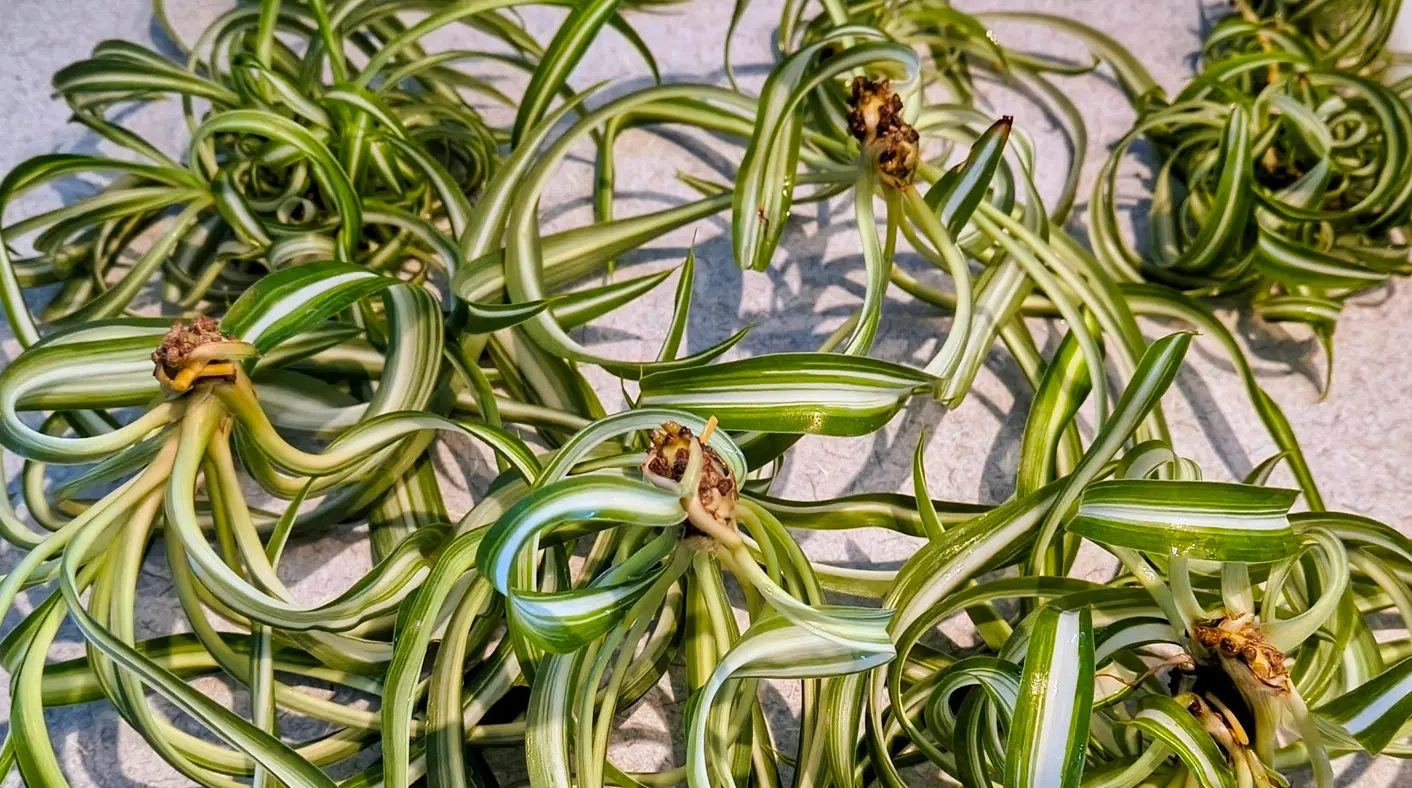
Propagating curly Bonnie spider plant babies the right way means faster roots, healthier growth, and better success rates. This guide covers when to cut spiderettes, how to root them in water or soil, and the exact techniques that help curly spider plant babies thrive from day one.
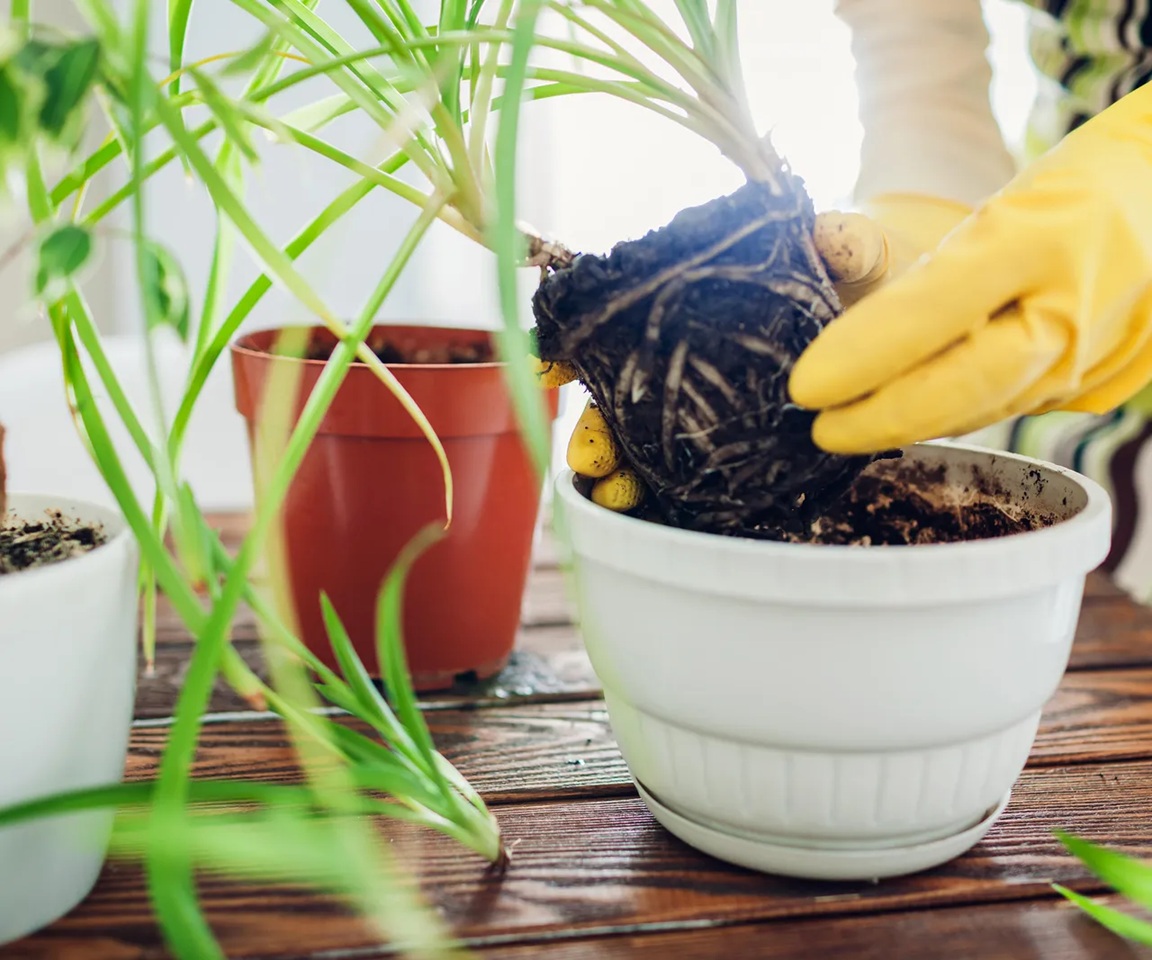
Learn how to repot a spider plant indoors with this easy step-by-step guide. Discover the best time to repot, what soil to use, and how to repot your spider plant without damaging the roots for healthier, stronger growth.
Discover the best grow lights for spider plants and how to use them indoors for healthy, vibrant growth. Learn which types of grow lights work best, proper placement and timing, and how to avoid common lighting mistakes..
Struggling with your spider plant? Discover 10 common spider plant mistakes and how to fix them fast.
Learn why spring water may be the best water for spider plants. Discover how it helps reduce brown tips, supports healthy growth, and improves overall plant health compared to tap, distilled, or RO water.

Helping you grow healthy, happy spider plants🪴everyday!
© 2012 - 2026 • The Spider Plant Lady • All Rights Reserved