
Spider Plant Care Secrets: 10 Unique Tips for Thriving Spider Plants
The Hidden Spider Plant Care Secrets Most People Miss
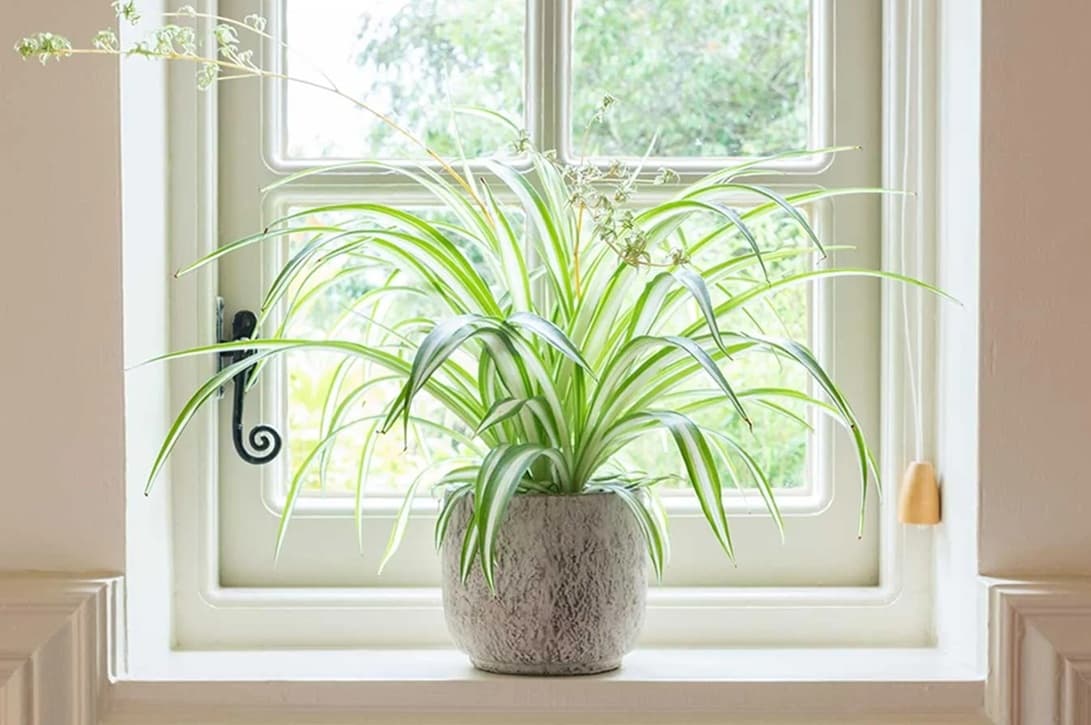
These unique spider plant care secrets will help you grow healthier, fuller indoor plants without the common mistakes that hold most people back. While spider plants are known for being easy to care for, many growers unknowingly limit their growth by using the wrong watering routine, poor lighting conditions, or low-quality soil.
The good news? With just a few simple adjustments, your spider plant can thrive, produce more babies, and develop lush, vibrant leaves. In this guide, you’ll discover proven tips and insider techniques that make a real difference in how your spider plants grow indoors.
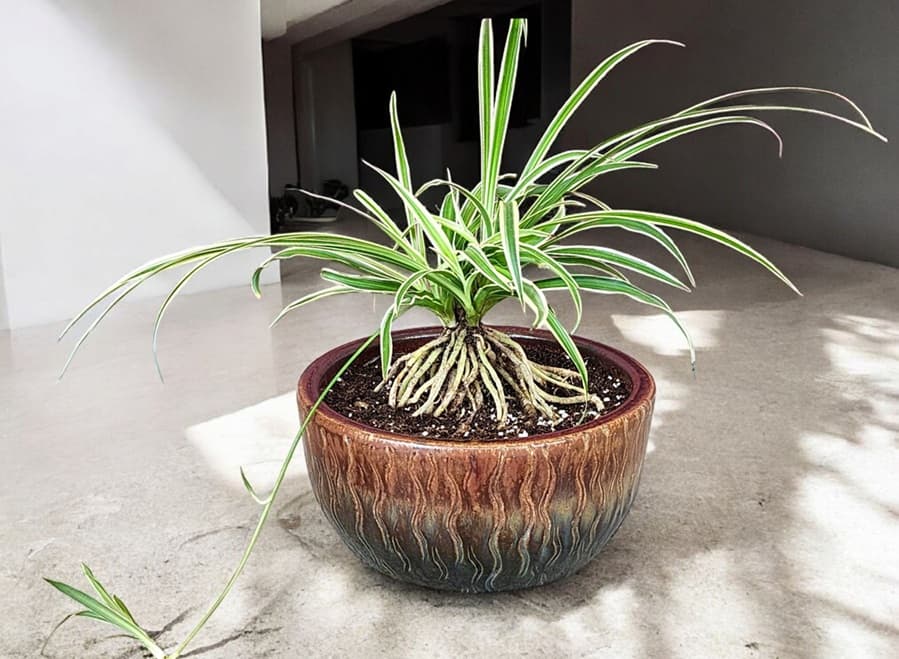
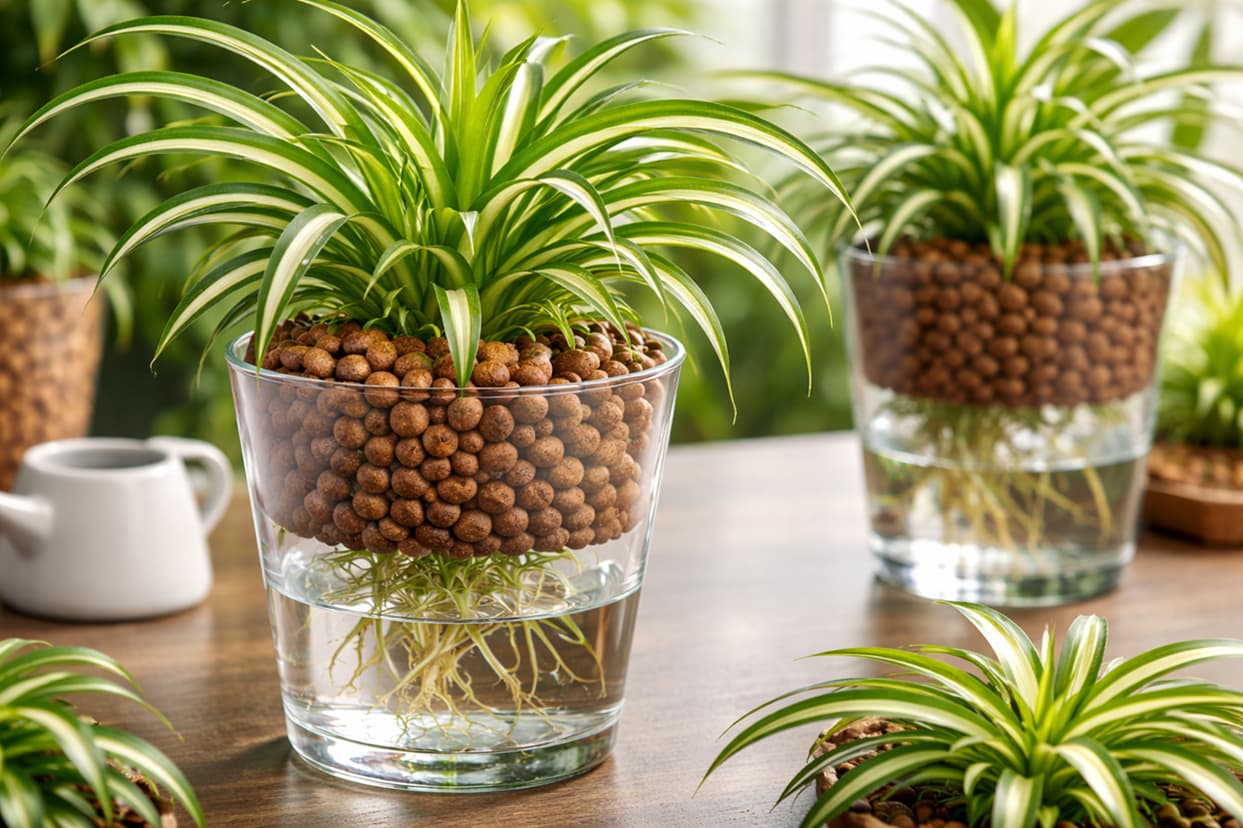
My first unique spider plant care secret to making a spider plant thrive indoors is using a “semi-hydro” setup with stones to eliminate the stress of wet-dry cycles. While spider plants are often grown in soil, they are highly sensitive to watering inconsistencies, which often lead to brown, crispy leaf tips.
The Secret Semi-Hydro Method:
The Setup: Take a spider plant baby (spiderette) and plant it in a pot filled with stones, gravel, or LECA (lightweight expanded clay aggregate).
The Reservoir: Place this potted plant inside a larger ceramic pot (or a clear container) that acts as a water reservoir, keeping the base of the potting pot constantly wet.
Why it works: This method ensures the roots always have access to water without becoming suffocated in dense, soggy soil, which prevents root rot and eliminates the leaf stress that causes brown edges.
Bonus Tip: To prevent brown tips, avoid using tap water as they are sensitive to fluoride.
What are some other Spider Plant Secrets?
Here’s a few more secrets about spider plants!
Final Spider Plant Care Secrets for Long-Term Success
Mastering these spider plant care secrets doesn’t have to be complicated. With the right balance of watering, light, soil, and occasional propagation, your spider plant can thrive and produce lush, vibrant growth year-round. The key is consistency—small improvements in your care routine can make a big difference over time. Whether you’re a beginner or an experienced plant owner, applying these simple tips will help you avoid common mistakes and enjoy healthier, fuller indoor spider plants.