Effective Ways to Eliminate Spider Mites From Indoor Plants
Proven Methods to Get Rid of Spider Mites on Houseplants
To get rid of spider mites on houseplants, immediately isolate the plant and wash it thoroughly in a shower or sink to dislodge mites, especially under leaves. Treat the plant with neem oil, insecticidal soap, or a mixture of water and rubbing alcohol every 3–7 days to kill hatching generations.
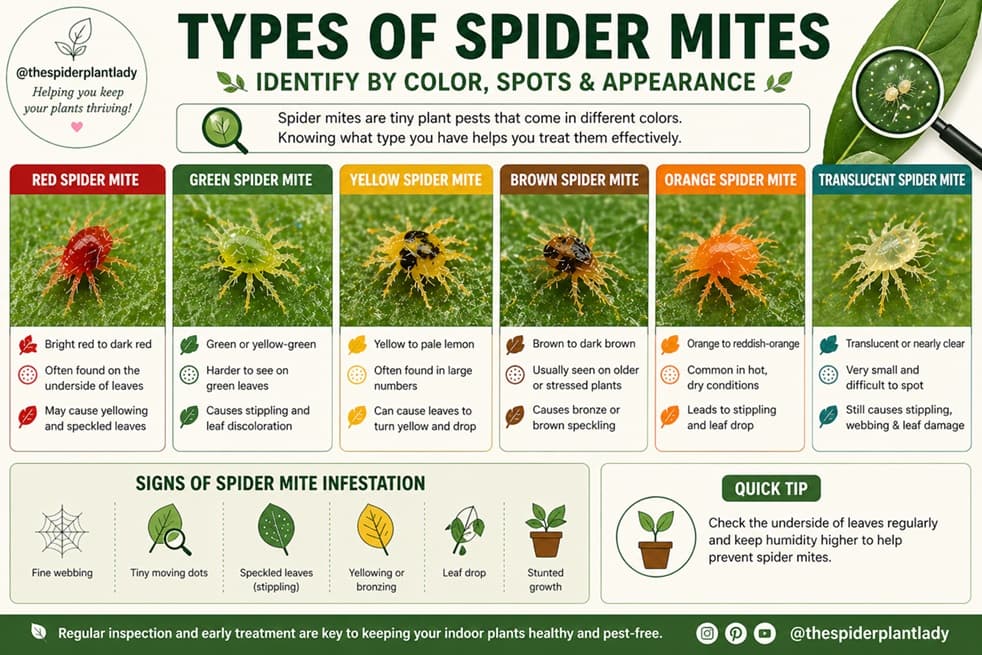
What colors can spider mites be?
Spider mites can appear in a wide variety of colors depending on the species, age, and season, including red, green, yellow, brown, orange, and translucent. The most common type, the two-spotted spider mite, is typically green or yellow with dark spots, but turns rusty red or orange in winter.
Types of Spider Mites Color Identification Chart:
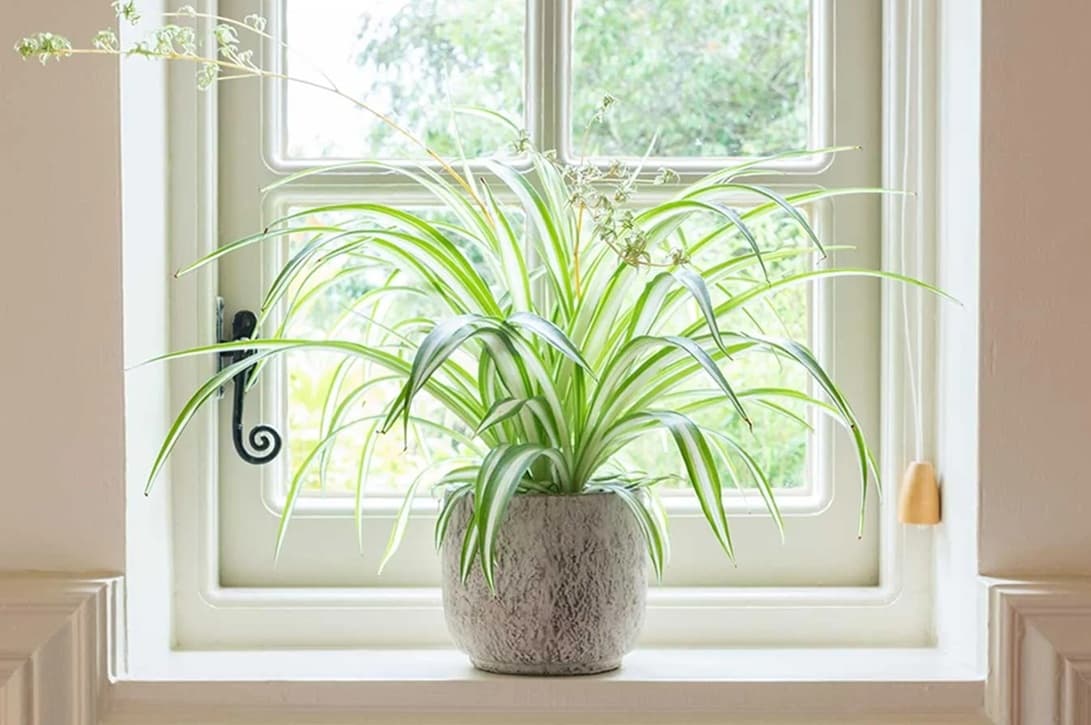
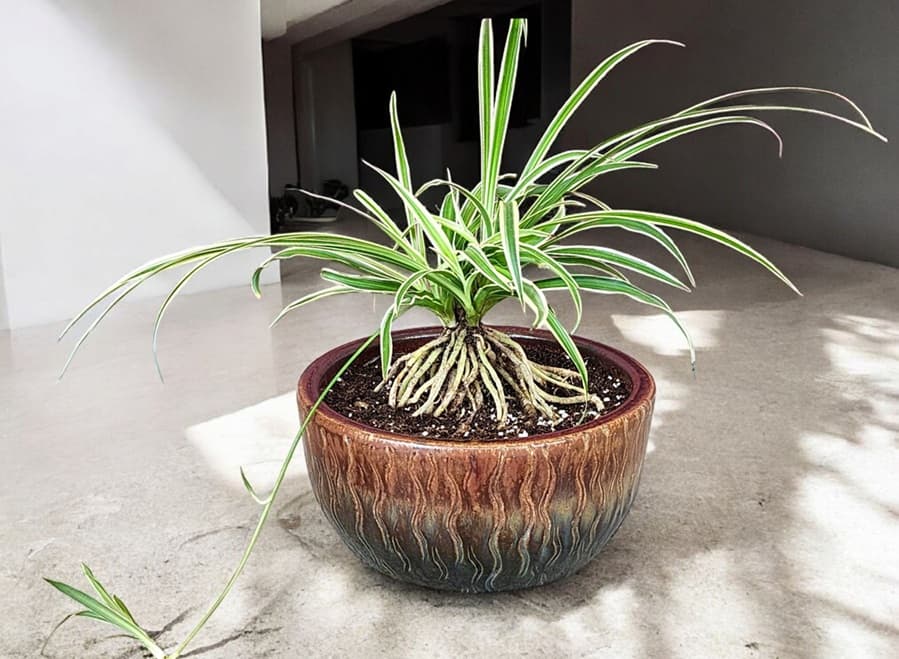
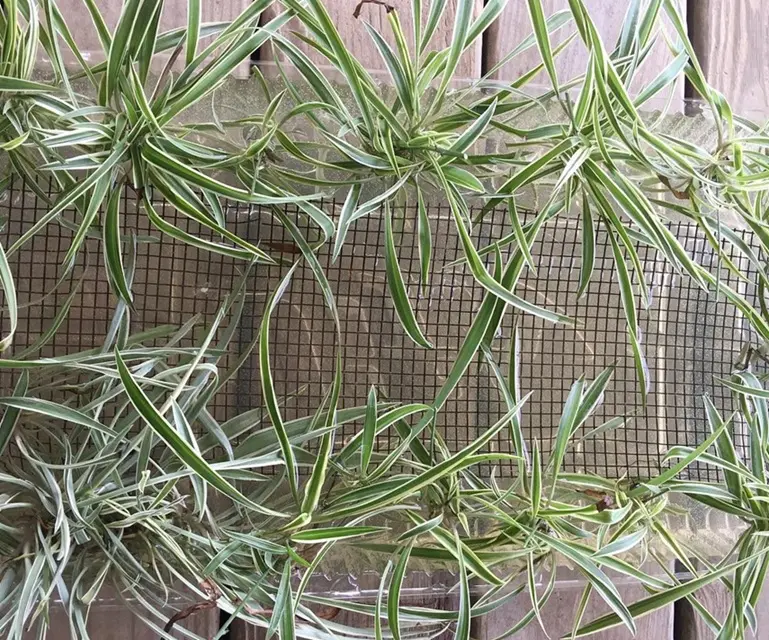
Controlling Spider Mites On Spider Plants
Read on to learn how spot and remove spider mites and how to get rid of spider mites on indoor plants without killing them.
Spider Mite Prevention Tips:
Regularly Inspect: Check plants every 3–5 days for tiny white/yellow spots or webbing.
Quarantine: Keep new plants away from existing ones for a few weeks to monitor for pests.
Shower Plants: Periodically wash your plants in the shower to keep them clean and boost humidity.
Clean and dust your plants! Spider mites love dirty plants.
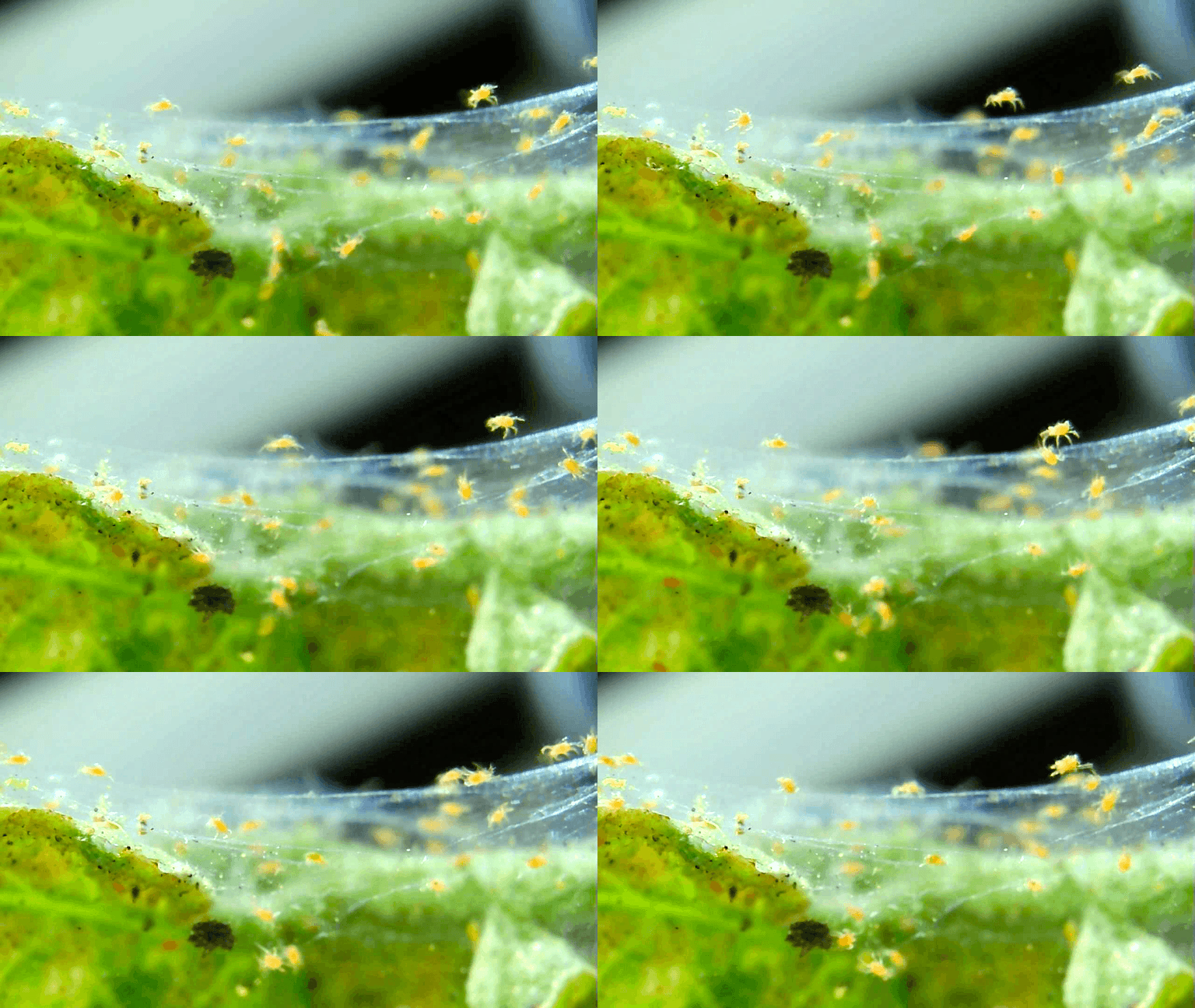
Spider mites are one of the most common indoor plant pests, and they can spread quickly if left untreated. These tiny sap-sucking pests often hide on the undersides of leaves, where they cause fading, speckling, webbing, and weakened growth. The good news is that spider mites can be controlled with the right steps and a little consistency. Below are answers to some of the most common questions about how to get rid of spider mites on plants, how to spot them early, and how to help your houseplants recover.
Spider Mites Treatment – Steps to Eliminate Spider Mites
Isolation & Cleaning – Immediately move the infested plant away from others. Wash it thoroughly with a strong spray of water in a sink or shower to remove webbing and insects.
Wipe Leaves – Use a micro fiber cloth dipped in soapy water or a 2% rubbing alcohol solution to wipe down leaves and stems, focusing on the undersides.
Apply Treatments:
Neem Oil: Mix 2 tsp neem oil and 1 tsp dish soap in a quart of water for an effective spray. You can also add a dab of Pure Liquid Castile Soap
Apple cider vinegar: Mix a 3 tbsp apple cider vinegar (highly acidic which plant pests such as spider mites hate), 1 tbsp baking soda and a few drops of liquid dish soap in 1 liter of lukewarm water in a spray bottle.
Insecticidal Soap: Use specialized insecticidal soaps to kill mites without harming plants. I personally highly recommend Dr. Bronner’s Pure-Castile Magic Liquid Soap – made with regenerative organic certified oils.
Rubbing Alcohol: Use a diluted mix of 70-90% isopropyl alcohol for direct contact killing.
Repeat Frequently
Reapply treatments every 3–5 days, as eggs can survive initial applications. Consistently treat for 2–4 weeks to break the breeding cycle.
Increase Humidity
Spider mites thrive in dry conditions. Mist plants often or use a humidifier to make the environment inhospitable.
Spider mites may be tiny, but they can cause big problems for indoor plants if ignored. The key to success is catching them early, treating consistently, and improving your plant’s overall growing conditions. With regular leaf checks, proper humidity, and timely treatment, most houseplants can recover and thrive again. Stay patient, stay consistent, and your plants will thank you with healthy new growth.
Common Questions About How to Get Rid of Spider Mites on Plants
Start by isolating the affected plant so mites do not spread to others. Rinse the leaves thoroughly, especially the undersides where spider mites hide. Then treat the plant with insecticidal soap, neem oil, diluted isopropyl alcohol or apple cider vinegar, or a miticide labeled for houseplants.
Repeat treatments every 5 to 7 days for several rounds, since eggs often survive the first application. Improving humidity and keeping the plant healthy also helps prevent reinfestation.
Dawn dish soap may kill some spider mites on contact, but it can also damage delicate plant leaves if mixed too strong or used too often. Dish soaps are made for grease, not plants, so they are not always the safest choice. A true insecticidal soap is usually a better option because it is designed to control pests while being gentler on foliage.
Yes, many plants can recover from spider mites if the infestation is caught early and treated consistently. New healthy growth often returns once the mites are gone. Severely damaged leaves may not improve, but the plant can still bounce back with proper care, watering, and light.
Yes, spider mites can often be knocked off with a strong spray of water. Focus on the undersides of leaves and stems, where they gather most. Washing alone may not eliminate every mite or egg, but it is an excellent first step and can greatly reduce their numbers before using other treatments. This is also why I recommend showering your spider plant one a month or every other month.
Use gentle methods first, such as rinsing the plant, wiping leaves, and applying insecticidal soap or diluted neem oil according to label directions. Always test sprays on one leaf before treating the whole plant. Avoid harsh homemade mixes or overusing products, which can stress the plant more than the mites themselves.
Yes, spider mites feed by piercing plant tissue and sucking out sap. This weakens the plant, causes stippling or speckled leaves, yellowing, browning, and leaf drop. Heavy infestations can stunt growth and seriously damage indoor plants if left untreated.
Early signs include tiny pale dots or speckles on leaves, dull or faded foliage, and very fine webbing between leaves or stems. You may also notice leaves looking dusty or losing their shine. Catching these early signs makes treatment much easier.
Spider mites need plants to feed and reproduce, so they cannot survive long without one. Indoors, they usually die off after a short time if no host plant is available. However, they can move quickly to nearby plants, which is why isolating infested plants is important.