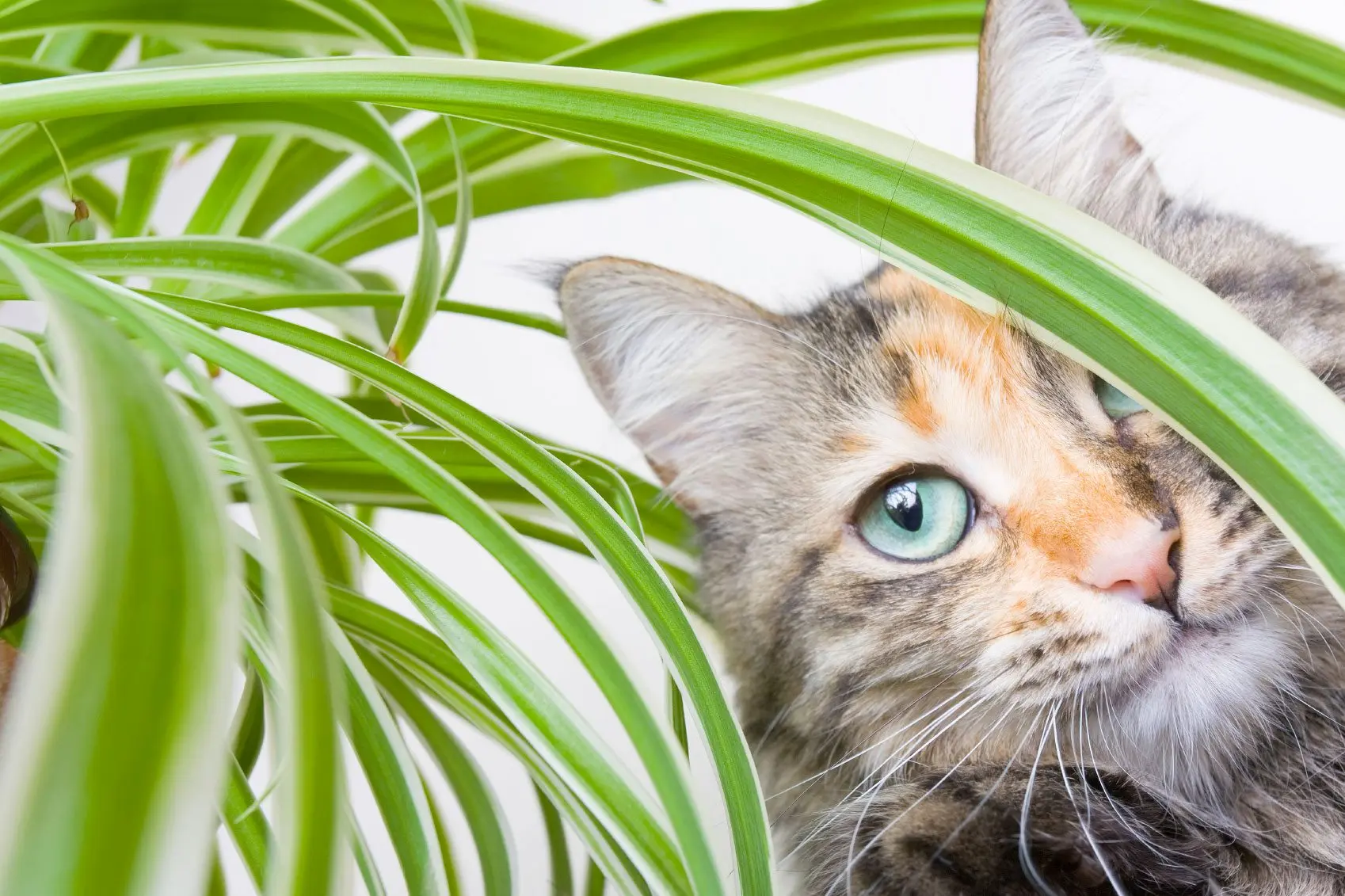
Are Spider Plants Safe for Cats and Dogs? (Pet Toxicity Guide)
Are Spider Plants Toxic to Cats and Dogs?
What Happens If Your Cat or Dog Eats a Spider Plant?
If you’re a pet owner, it’s completely normal to double-check whether your houseplants are safe—especially if your cat loves to nibble or your dog gets curious. The good news is that spider plants are considered non-toxic to both cats and dogs, making them one of the more pet-friendly houseplants you can keep at home.
That said, “non-toxic” doesn’t always mean problem-free. Pets that chew on spider plants can still experience mild stomach upset, and cats in particular are often drawn to their long, dangling leaves. In this guide, we’ll break down exactly what’s safe, what to watch for, and how to keep both your plants and pets happy.
Spider Plant Safety Facts for Pet Parents
Non-Toxic Status
The ASPCA confirms that spider plants (Chlorophytum comosum) are non-toxic to both dogs and cats.
Mild Side Effects
Even though they are safe, eating too much can lead to an upset stomach, vomiting, or diarrhea.
Sacrificial Spider Plants
Some spider plant owners intentionally keep a “sacrificial spider plant” at floor level to distract pets from more sensitive greenery, while keeping their “nice” plants in hanging baskets.
For pet owners, knowing they are a safer option adds even more appeal. While not poisonous, eating them may cause minor, temporary stomach upset, vomiting, or diarrhea in pets, especially if eaten in large amounts.
Spider plants are non-toxic to cats and dogs, but may cause mild stomach upset if eaten.
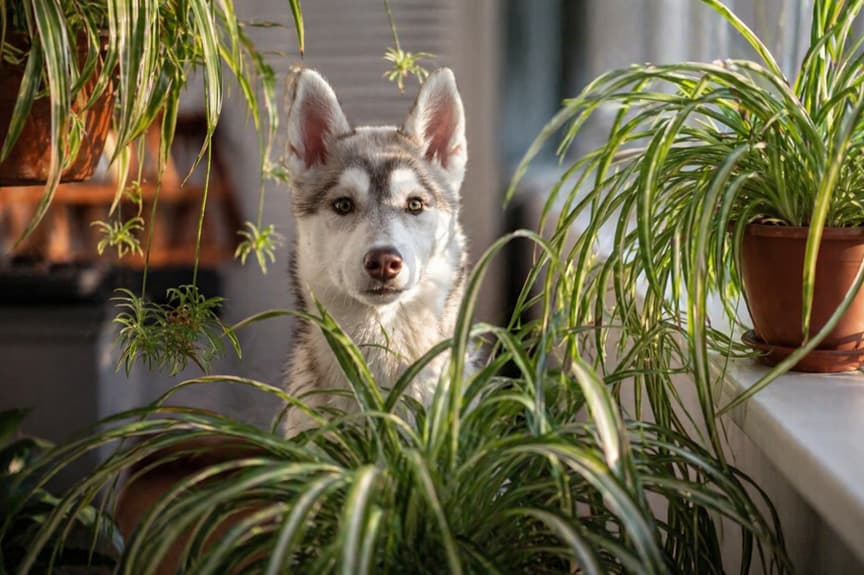
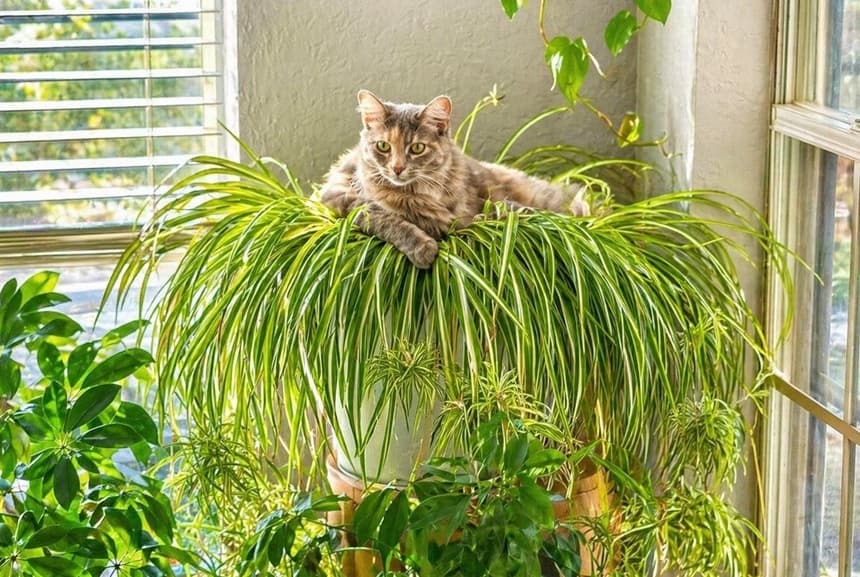
Spider Plants and Pets
“The spider plant is safe for cats, but not safe from cats.” While many pet parents look for “safe” plants, they often find that the spider plant is a little too appealing.
Are Spider Plants Non-Toxic to Cats and Dogs?
YES, but do note: “non-toxic” does not always mean a pet should eat the plant freely. Cats in particular are often fascinated by spider plants. The long arching leaves move easily, and dangling spiderettes can look like toys.
Some cats enjoy batting at them, chewing the ends, or trying to pull the babies down. Dogs are usually less interested, but puppies and playful dogs may still investigate.
If a cat or dog chews on a spider plant, the most common result is mild stomach upset. This could mean vomiting, loose stool, or a little drooling. In most cases, it passes quickly and is not serious.
Usually the bigger problem is the damage done to the plant rather than the pet. Repeated chewing can shred leaves, weaken growth, and make your once-beautiful plant look rough around the edges.
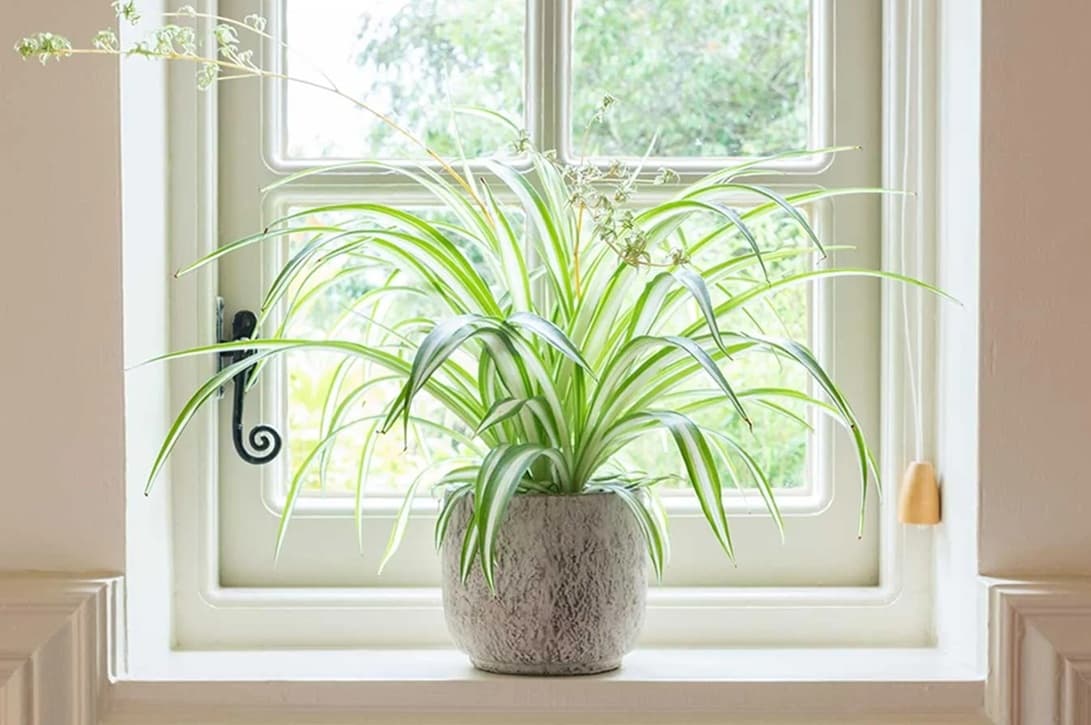
Because of this, I usually recommend keeping spider plants where pets can admire them but not constantly snack on them. Hanging baskets are perfect for spider plants and naturally help keep them out of reach.
A high shelf near bright indirect light can also work well. If your cat is especially determined, you may need to experiment with placement until you find the sweet spot.
It also helps to give pets alternatives. Cats often enjoy cat grass or interactive toys that satisfy their urge to chew and play. Dogs benefit from chew toys and enough activity during the day. Sometimes a pet bothering your plants is simply a sign they need more enrichment.
Are spider plants toxic to cats?
Why Spider Plants Are “Catnip 2.0
Spider plants are considered non-toxic to cats, making them one of the better indoor plant options for cat owners. Many cats are naturally drawn to spider plants because of their long arching leaves and dangling spiderettes, which can look like toys.
- Mildly Hallucinogenic: Research shared by sources like the Flower Patch Farmhouse and Tennessee Wholesale Nursery suggests that spider plants contain chemical compounds similar to opium that can produce a mild hallucinogenic or euphoric effect in cats.
- Irresistible Play: The long, dangling “babies” (plantlets) look like moving toys, triggering a cat’s natural hunting instinct.
- “Catnip 2.0”: Many owners on Instagram and Facebook refer to it as “catnip 2.0” because of how obsessed their feline friends become with nibbling it.
Some cats enjoy batting at the leaves or nibbling on them. While the plant is not poisonous, eating too much may still cause mild digestive upset such as vomiting or an upset stomach.
Hanging baskets or elevated shelves are a great way to enjoy spider plants while keeping curious cats from overindulging.
Are spider plants toxic to dogs?
Spider plants are generally considered non-toxic to dogs, which makes them a safer houseplant choice for pet-friendly homes. Most dogs are not as interested in spider plants as cats, but some puppies and curious dogs may still chew the leaves or dig in the soil.
If a dog eats part of the plant, it may experience mild stomach upset such as vomiting or loose stool, especially if a larger amount is consumed. In most cases, symptoms are minor and temporary. Keeping spider plants slightly out of reach can help protect both your dog and the plant itself.
Pet Safe Guide To Spider Plants
Are spider plants safe for cats and dogs?
The good news is yes — spider plants are widely considered non-toxic to cats and dogs, making them one of the best pet-friendly houseplants for animal lovers.
That said, there are a few things pet owners should remember. Even safe plants can cause mild stomach upset if chewed in large amounts, and many cats are especially drawn to spider plants because of their long arching leaves and dangling babies.
In this guide, The Spider Plant Lady summarizes everything you need to know about pets and spider plants:
Why Spider Plants Are a Great Option for Pet Owners
If you’re a pet owner looking for a safe, stylish, and beginner-friendly houseplant, spider plants are an excellent choice. With a little placement planning, you can enjoy beautiful greenery while keeping your cats and dogs happy too.
Spider plants are a wonderful choice for households that want greenery without taking unnecessary risks. While no plant should be treated like pet food, spider plants are one of the more reassuring options for homes with cats and dogs.
They bring beauty, movement, and personality to a room while being far less concerning than many other popular houseplants.
So, are spider plants safe for cats and dogs? In most homes, absolutely yes. With a little common sense and smart placement, you can enjoy your spider plants while keeping your furry family members safe and happy.